North Island Hotspots

Last updated September 8th, 2025

The North Island of New Zealand offers a striking mix of ecosystems, from subtropical forests and active volcanic plateaus to extensive wetlands and rugged coastlines. Much of the lowland forest has been cleared, but sanctuaries and offshore islands now serve as strongholds for many of the country’s rarest species. The island’s temperate climate also provides favorable conditions for both resident and migratory birds, making it a rewarding destination for birding year-round.

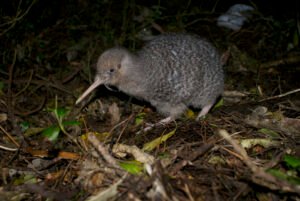
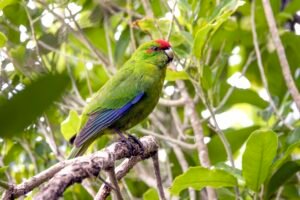
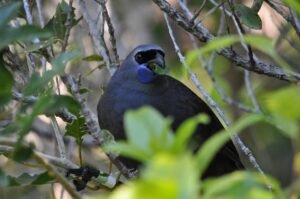
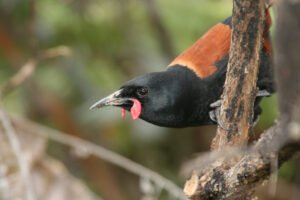
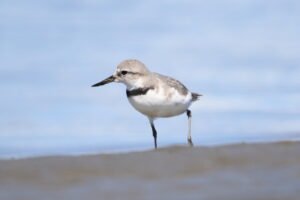
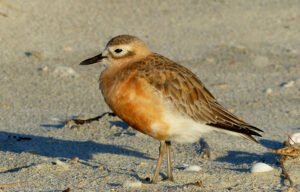
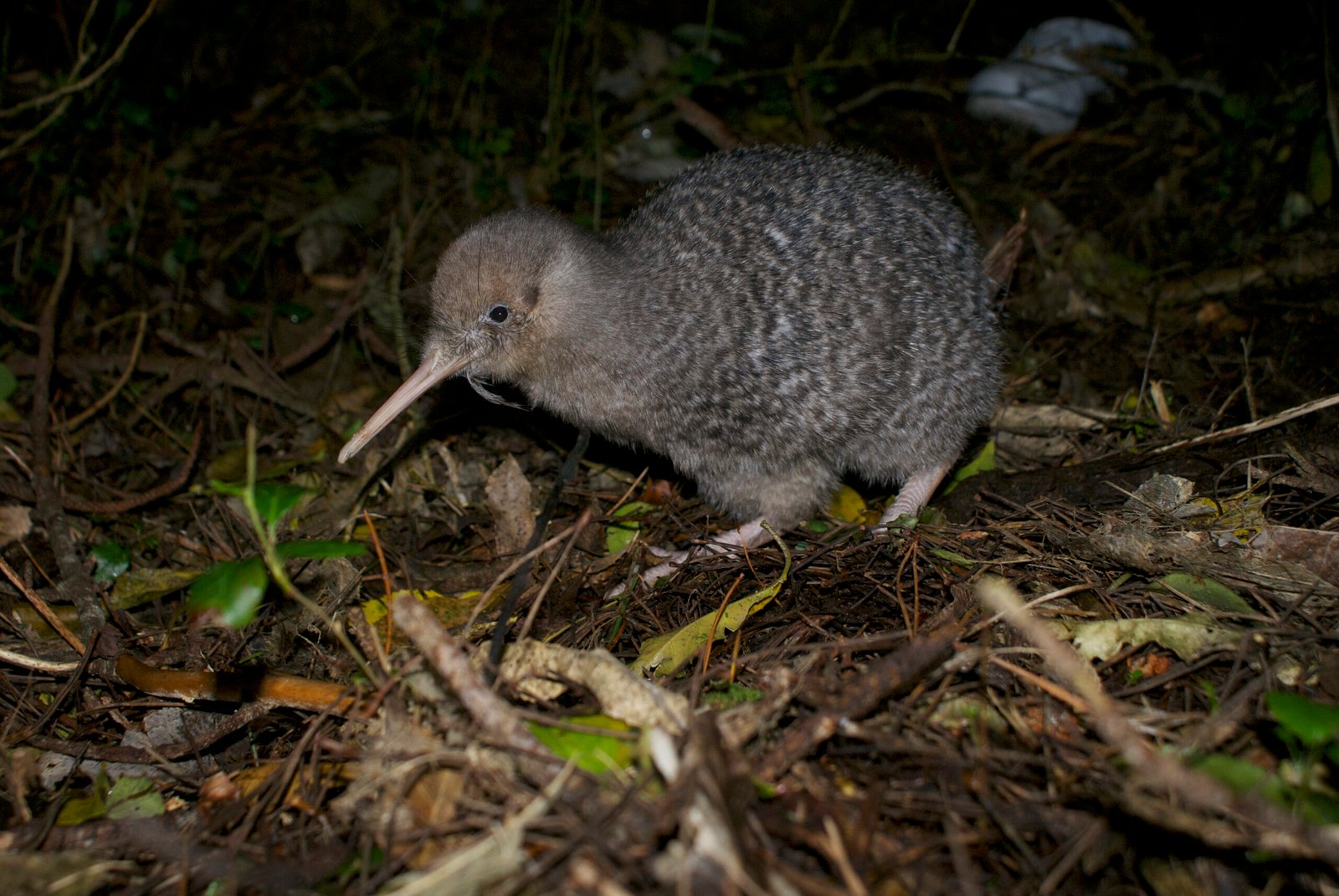
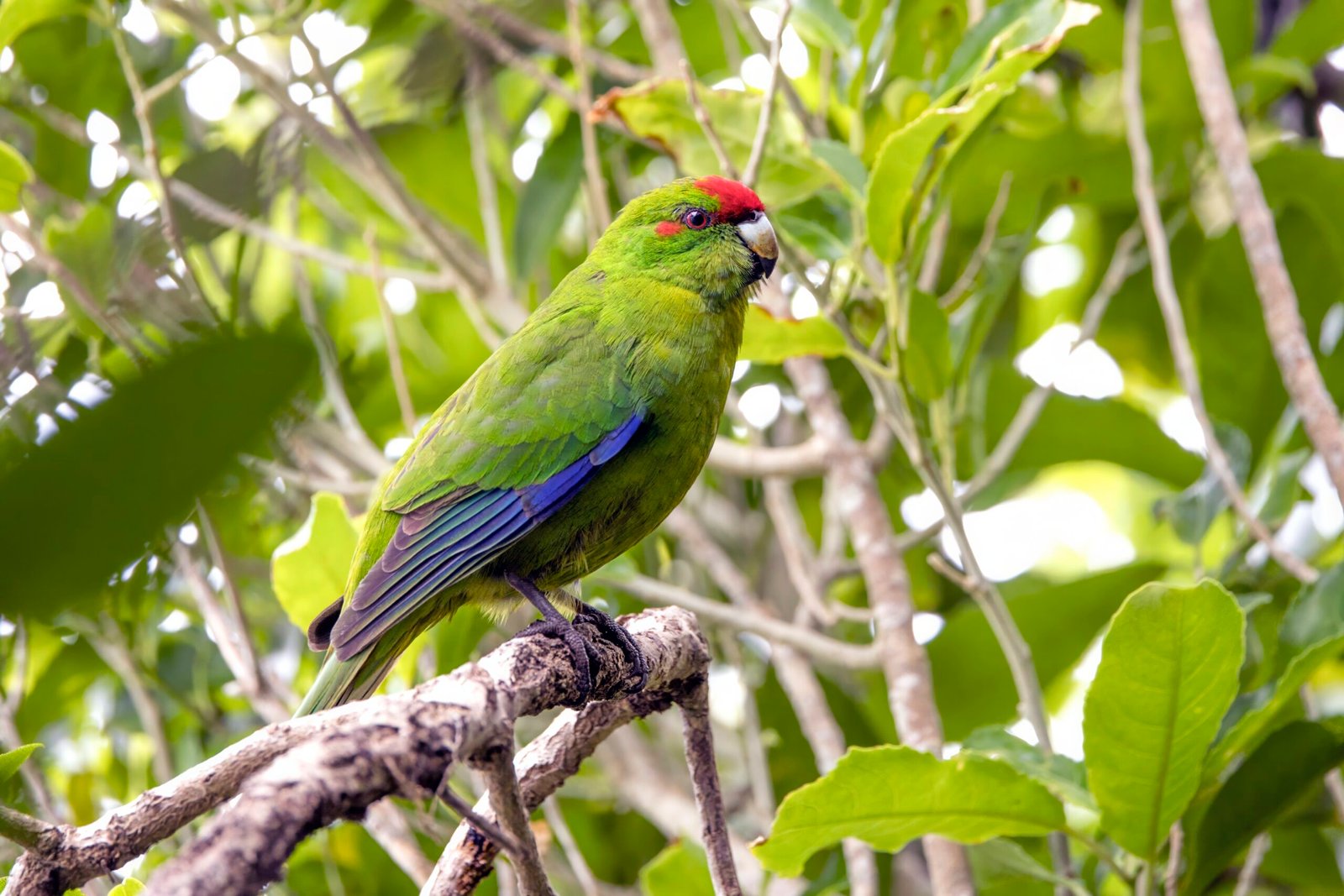
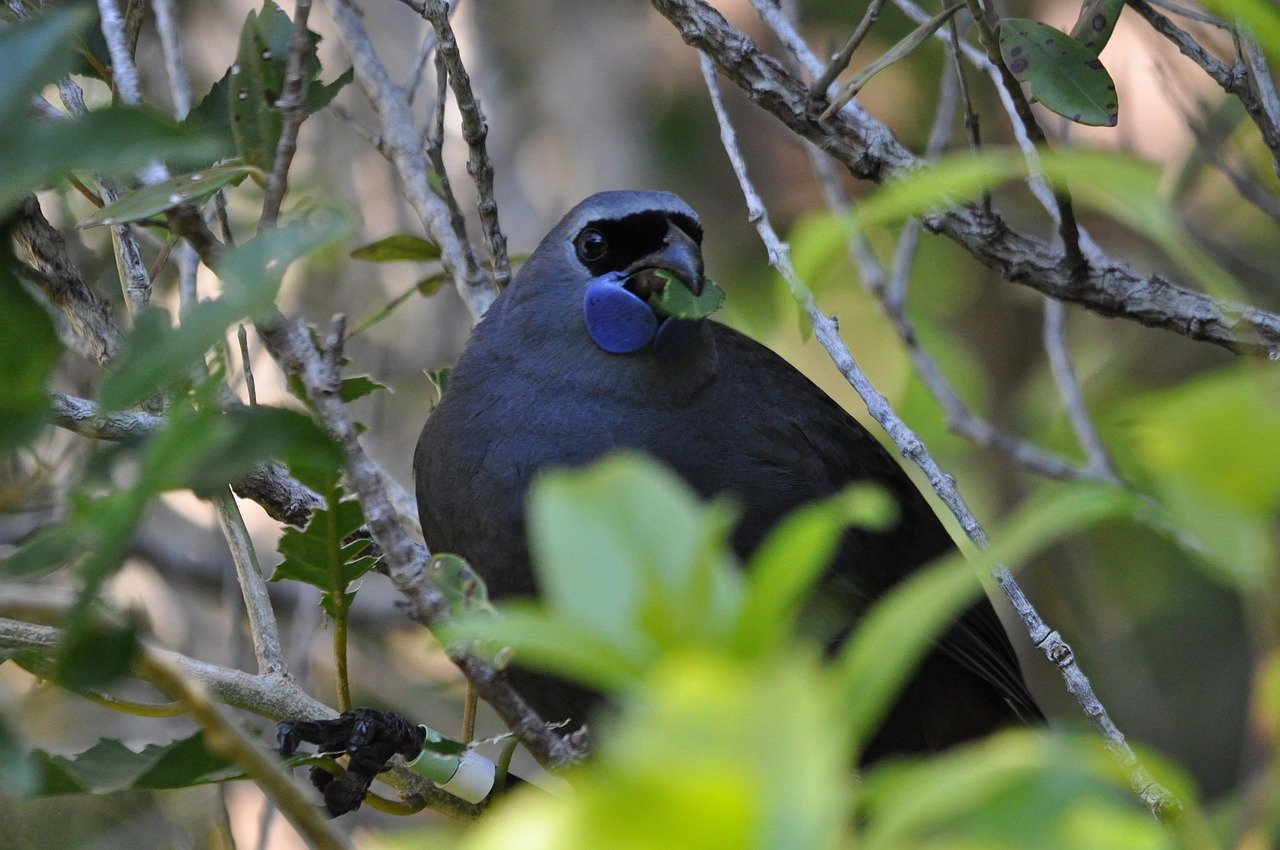
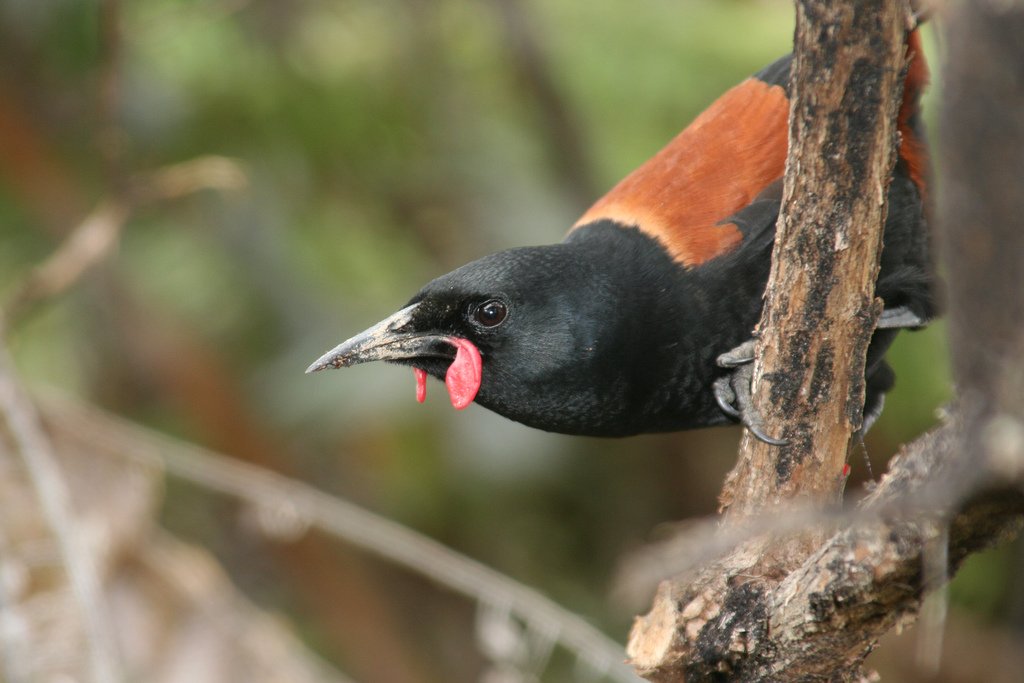
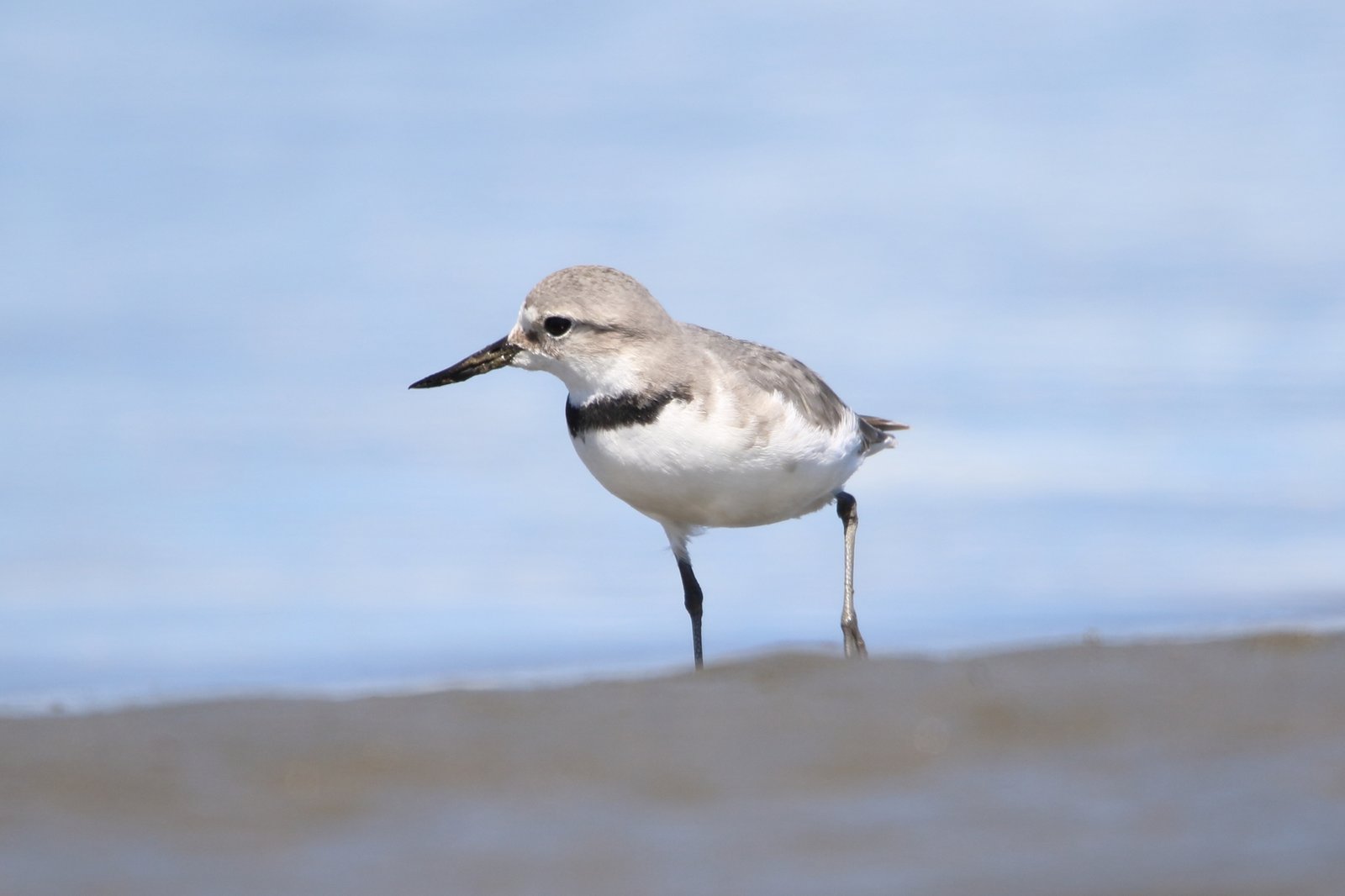
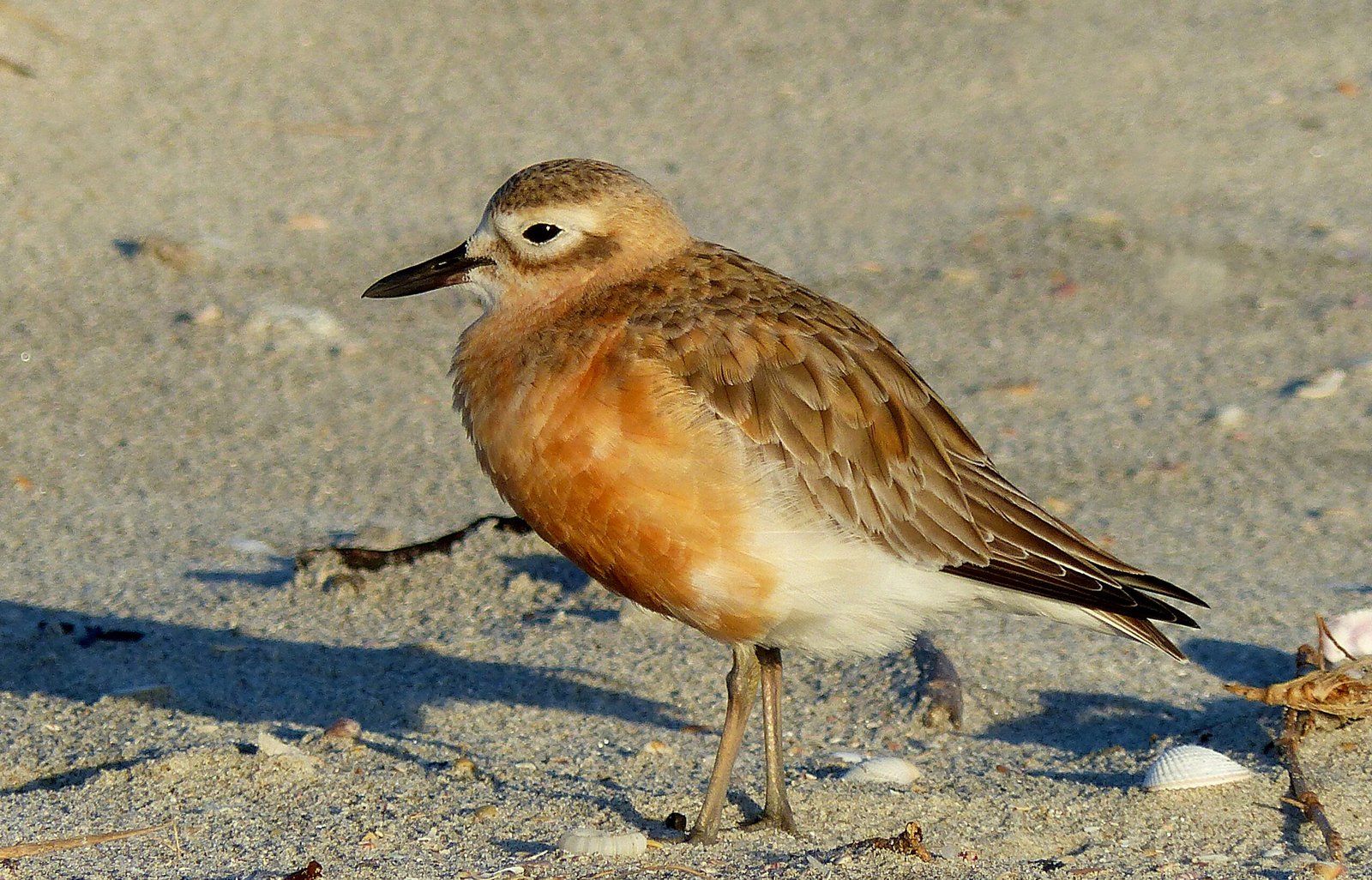
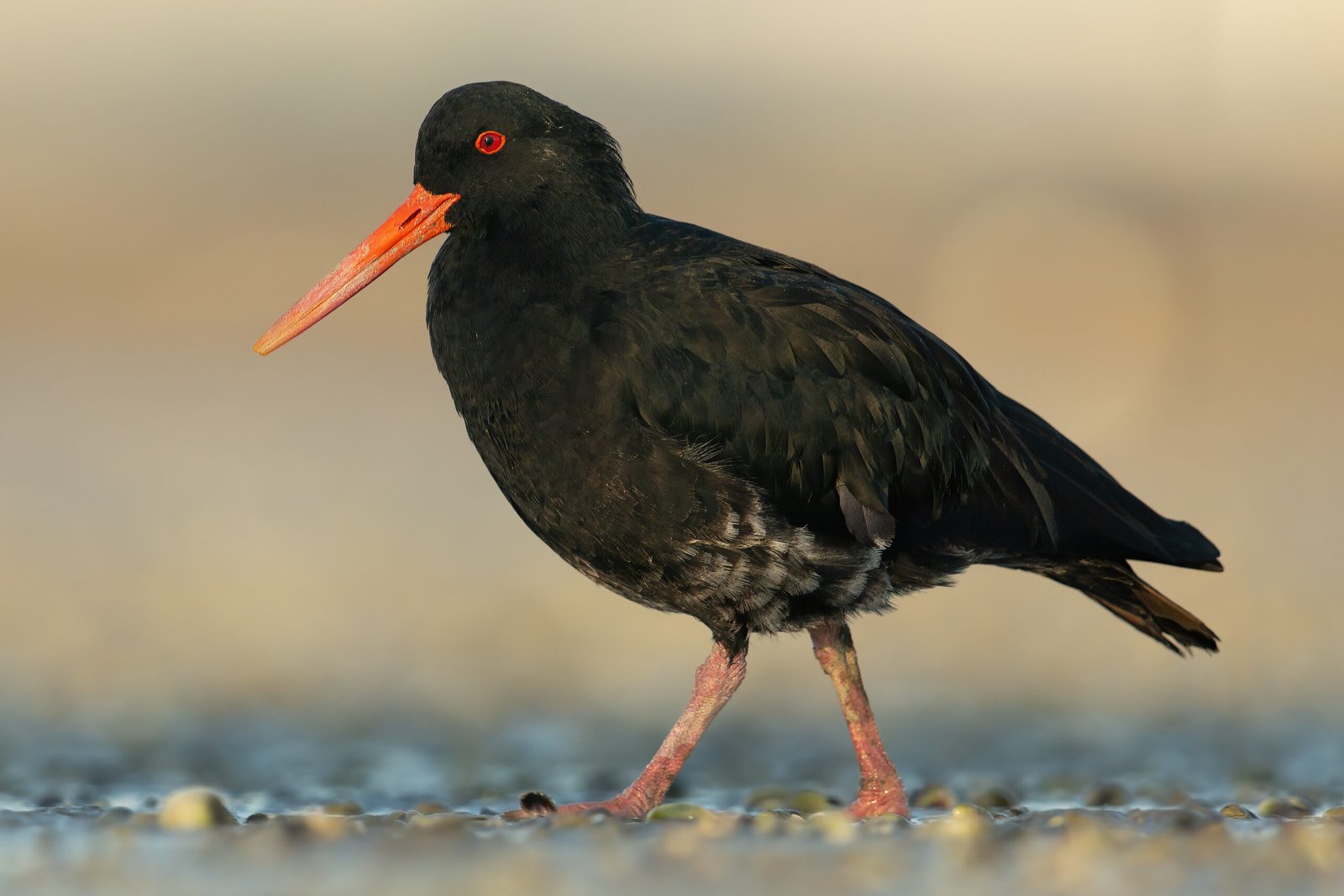
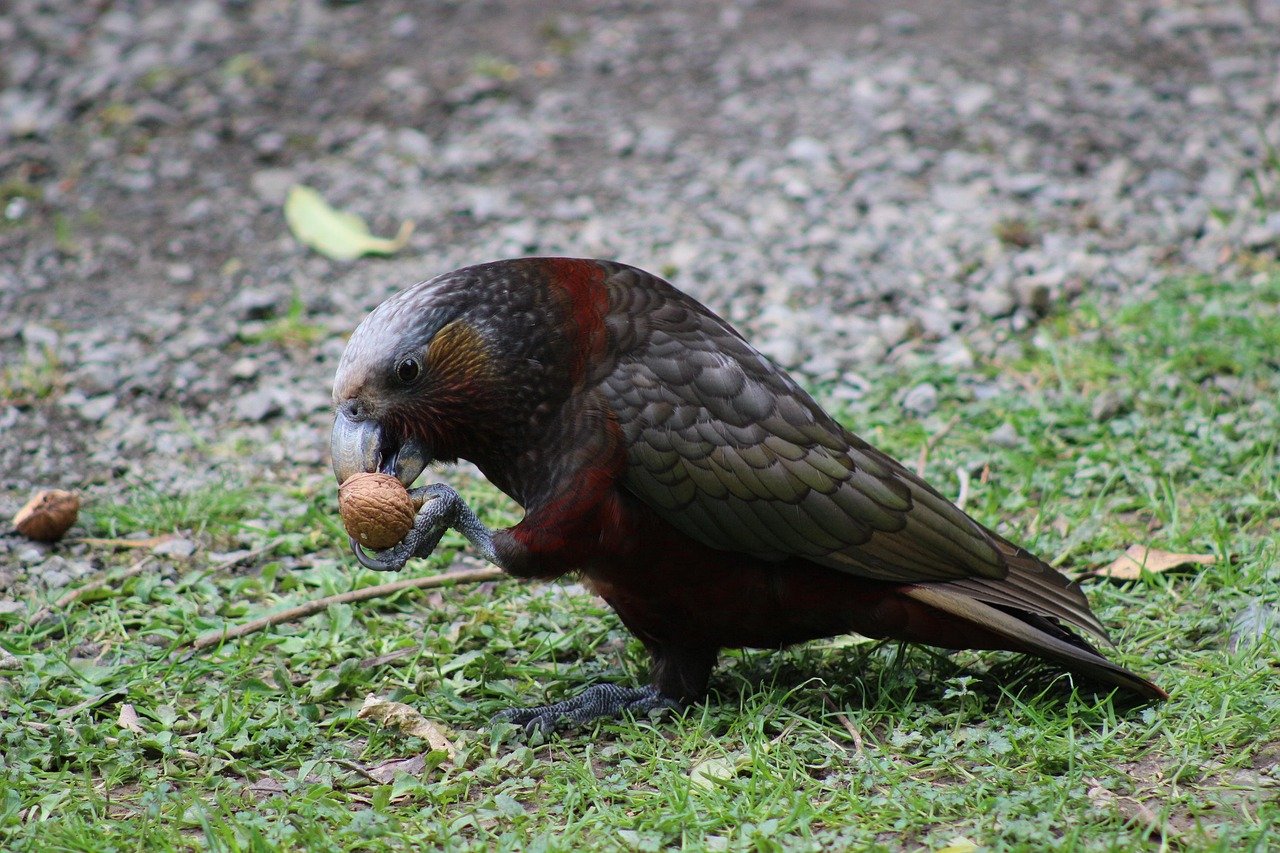
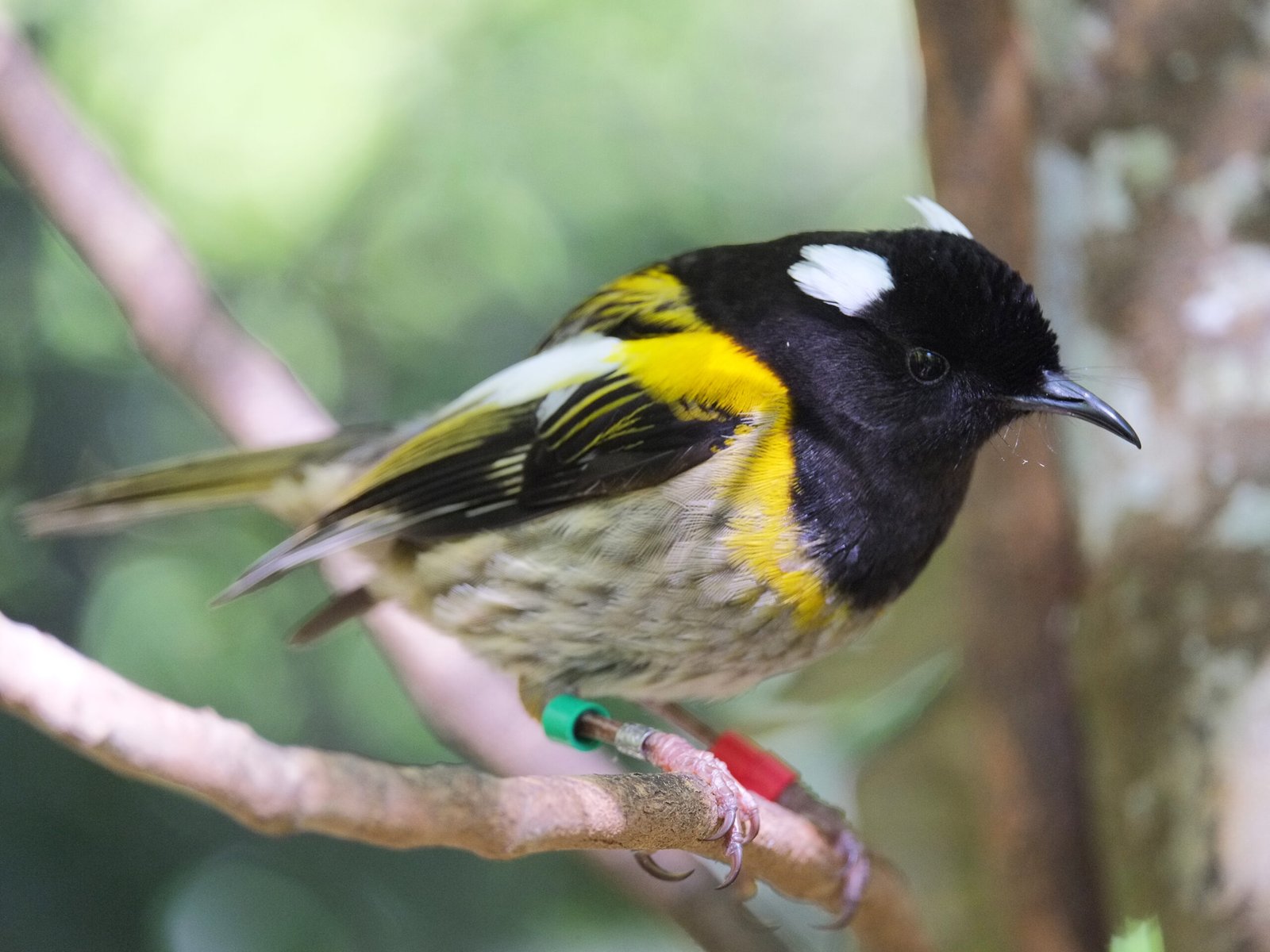
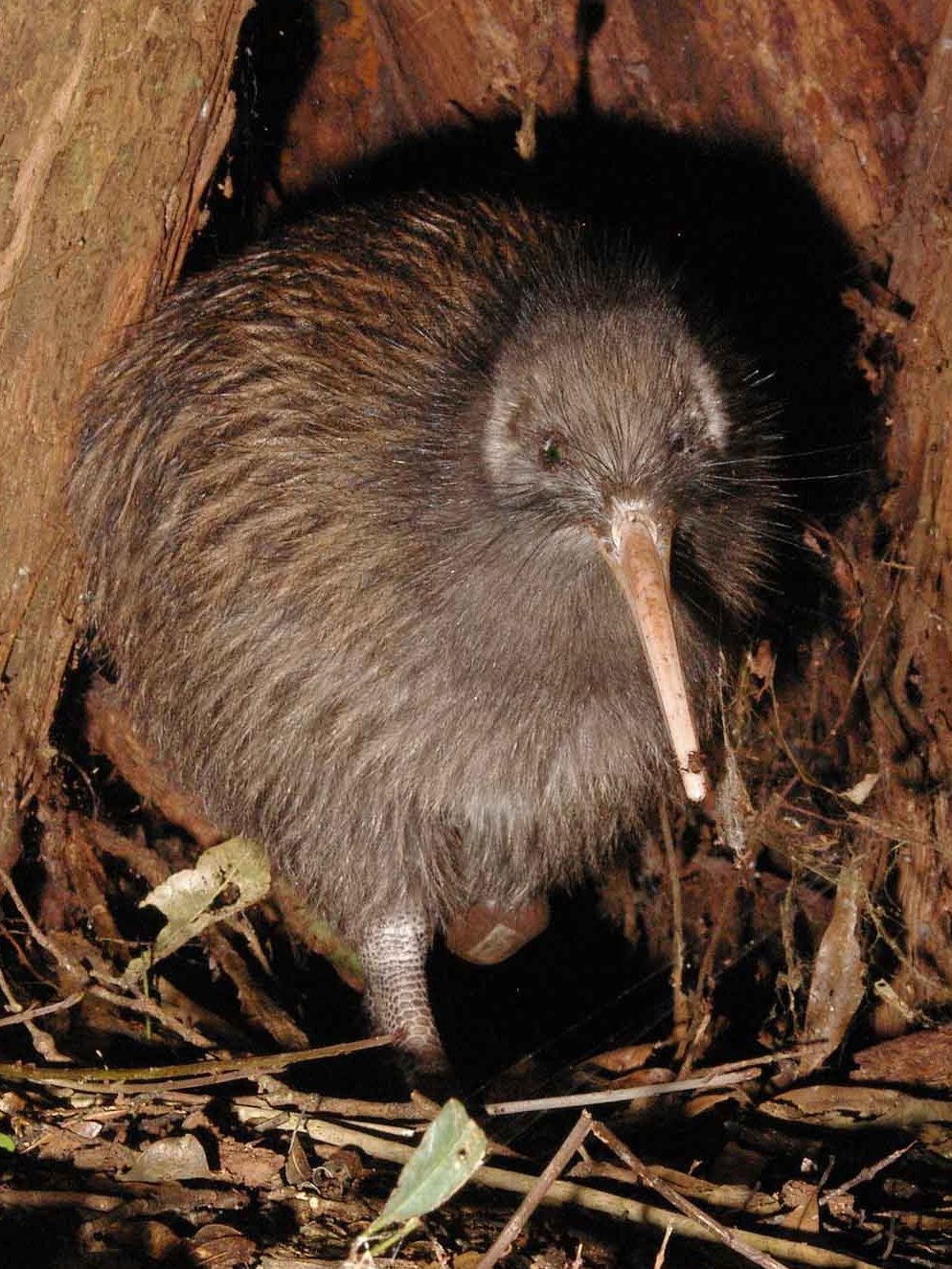
The North Island is home to a number of iconic birds, including the North Island Kōkako, North Island Tīeke (saddleback), and Kākā, as well as reintroduced populations of South Island Takahē and Little Spotted Kiwi on predator-free islands and sanctuaries. Wetland specialists like the threatened Tūturiwhatu (New Zealan Dotterel) and the Ngutu pare (Wrybill) can be found in the island’s marshes and estuaries. Offshore, gannets, shearwaters, and petrels are common, with some of the world’s most accessible seabird colonies just a short trip from urban centers.

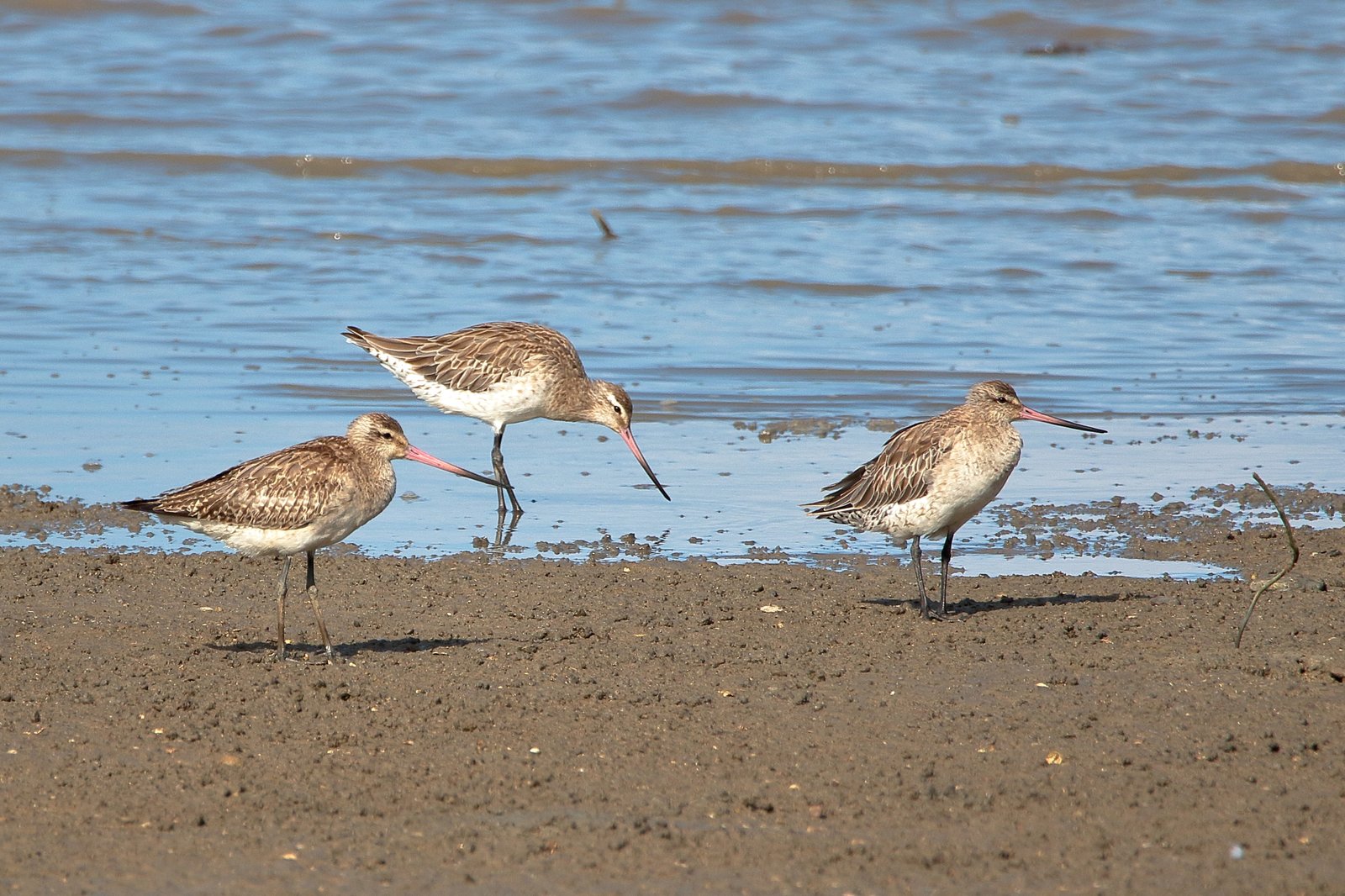
Several standout hotspots showcase this diversity. Tiritiri Matangi Island, a short boat ride from Auckland, is one of the best places to encounter rare forest birds up close. Zealandia in Wellington offers an urban sanctuary experience with restored habitat and thriving native populations, all within city limits. For shorebirds, the Miranda Shorebird Centre on the Firth of Thames is internationally recognized for massive gatherings of godwits and knots. Offshore destinations like the Poor Knights Islands and Cook Strait provide exceptional seabirding, while Sanctuary Mountain Maungatautari offers a vast fenced forest refuge in the central Waikato. Together, sites like these capture the richness of North Island birding and highlight the conservation efforts that make it possible.

The Poor Knights Marine Reserve

Tutukaka, Northland Region, NZ

The Poor Knights Marine Reserve

Archway Island

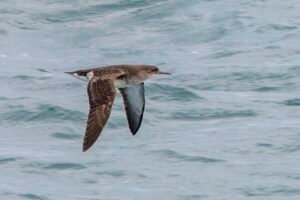
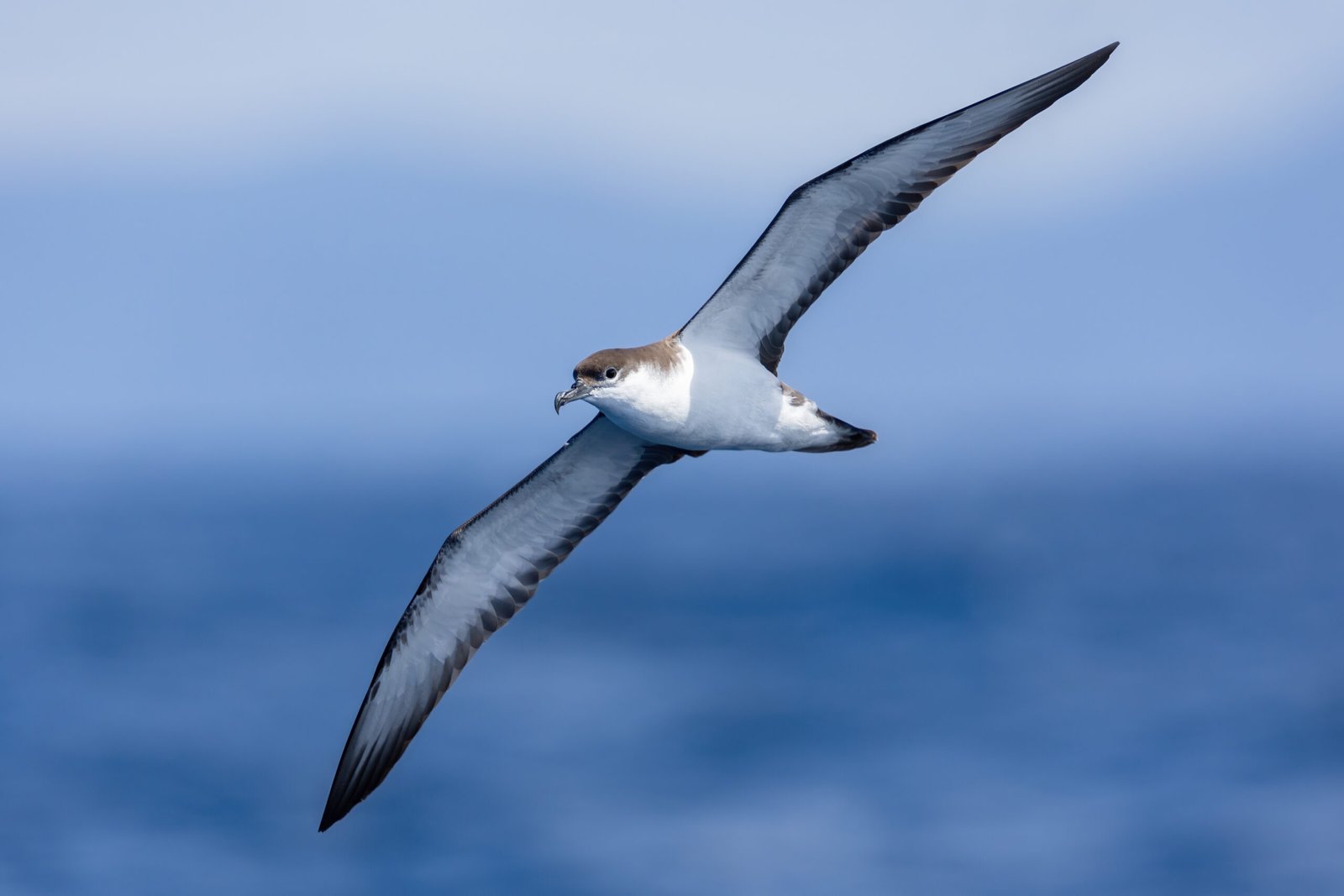
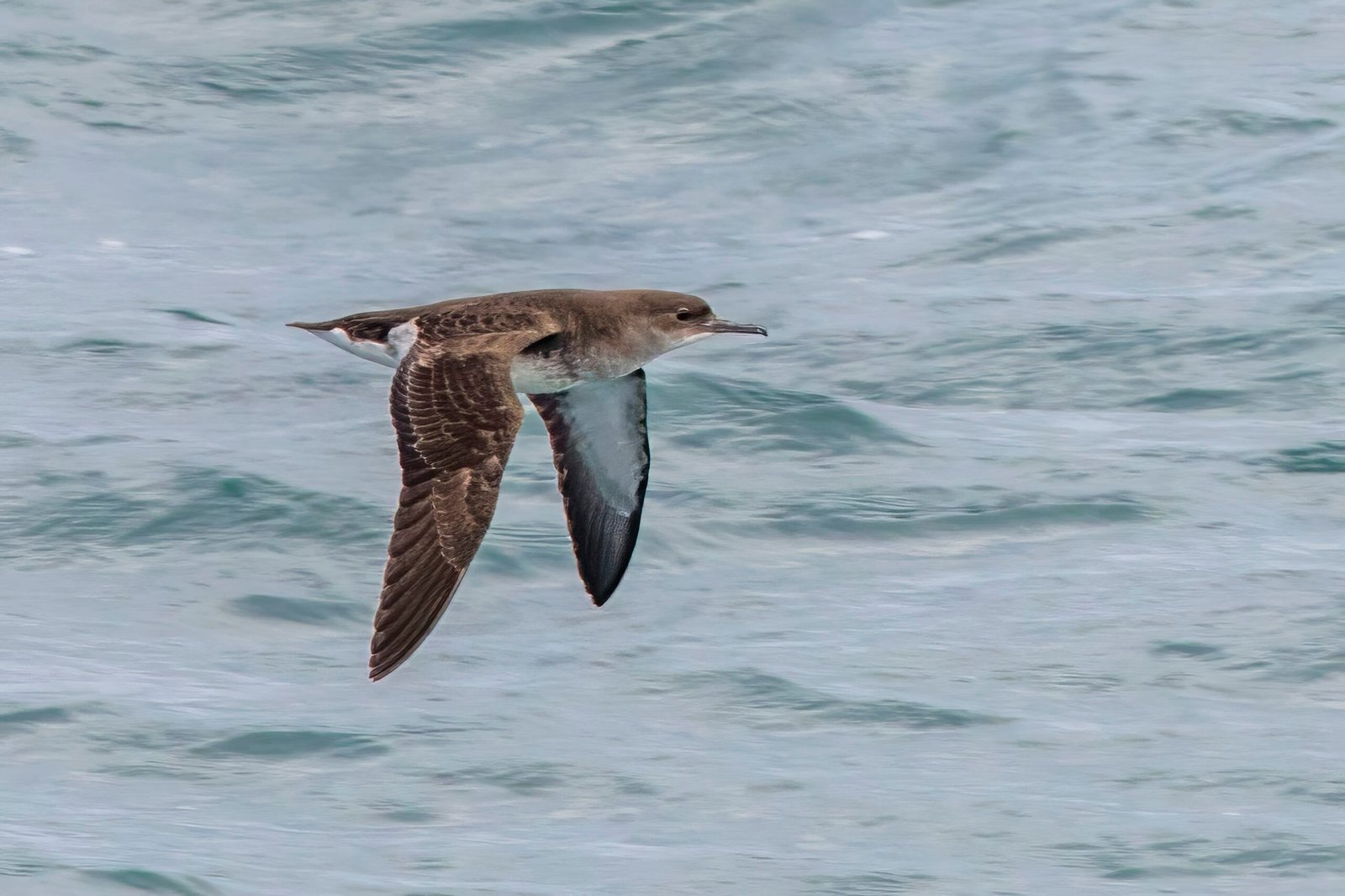
Buller’s Shearwaters in front of the Poor Knights Islands.

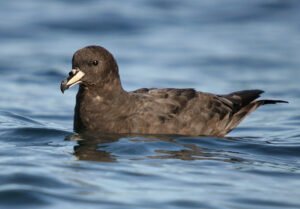
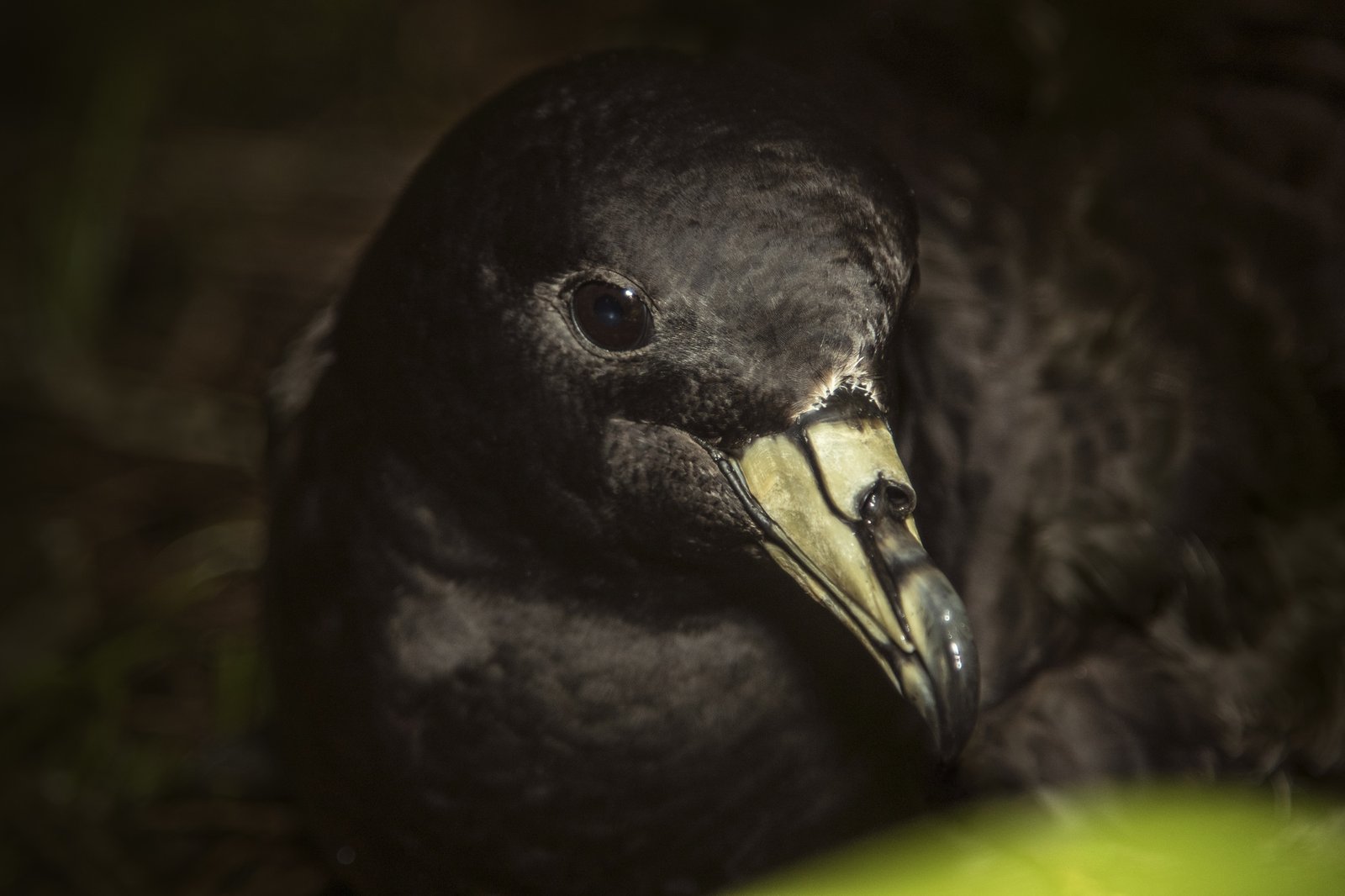
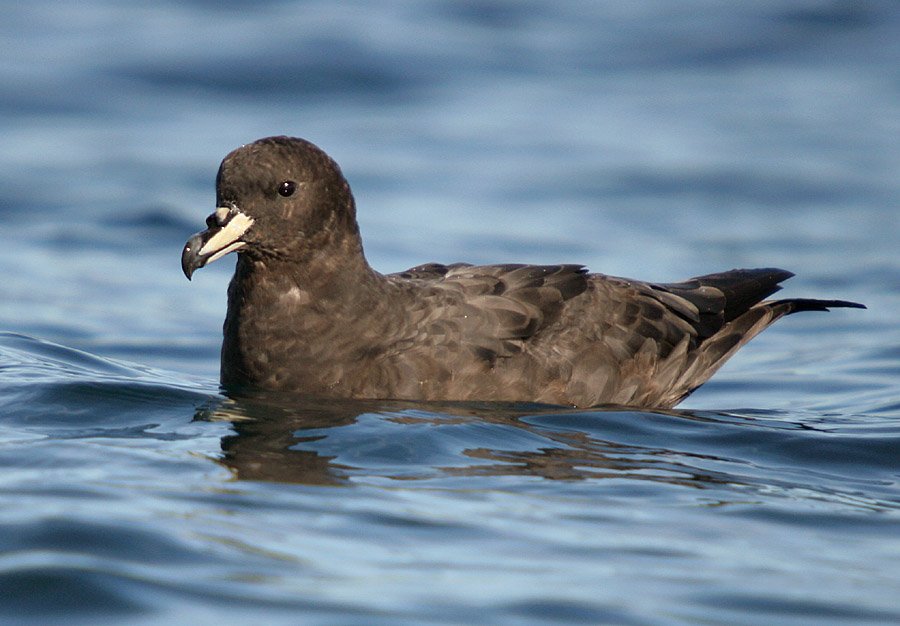
Black Petrels hanging out on the water around the boat!

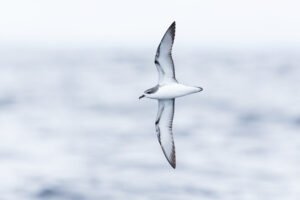
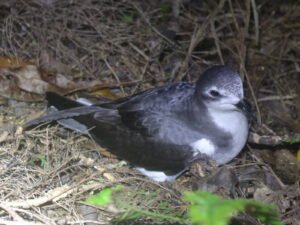
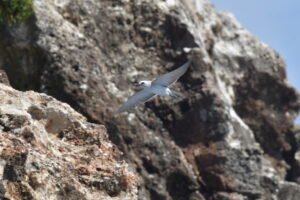
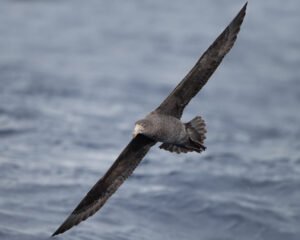
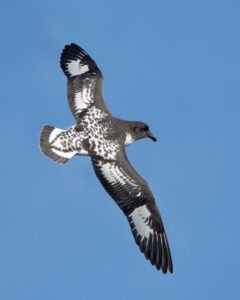
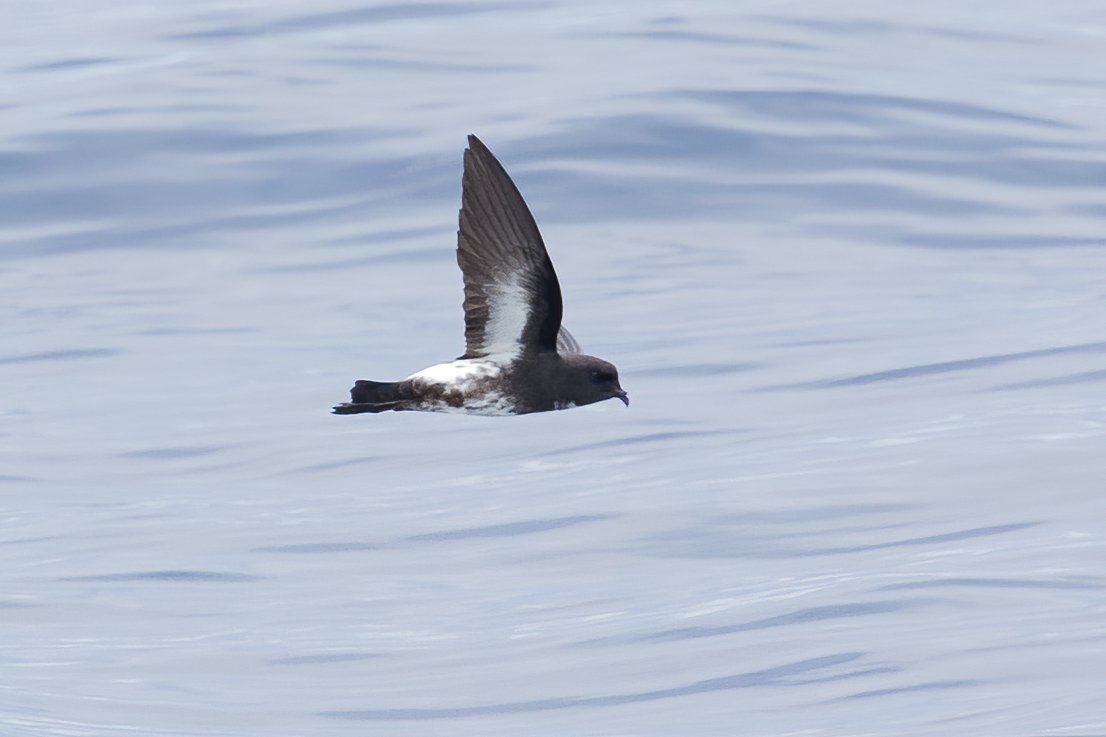
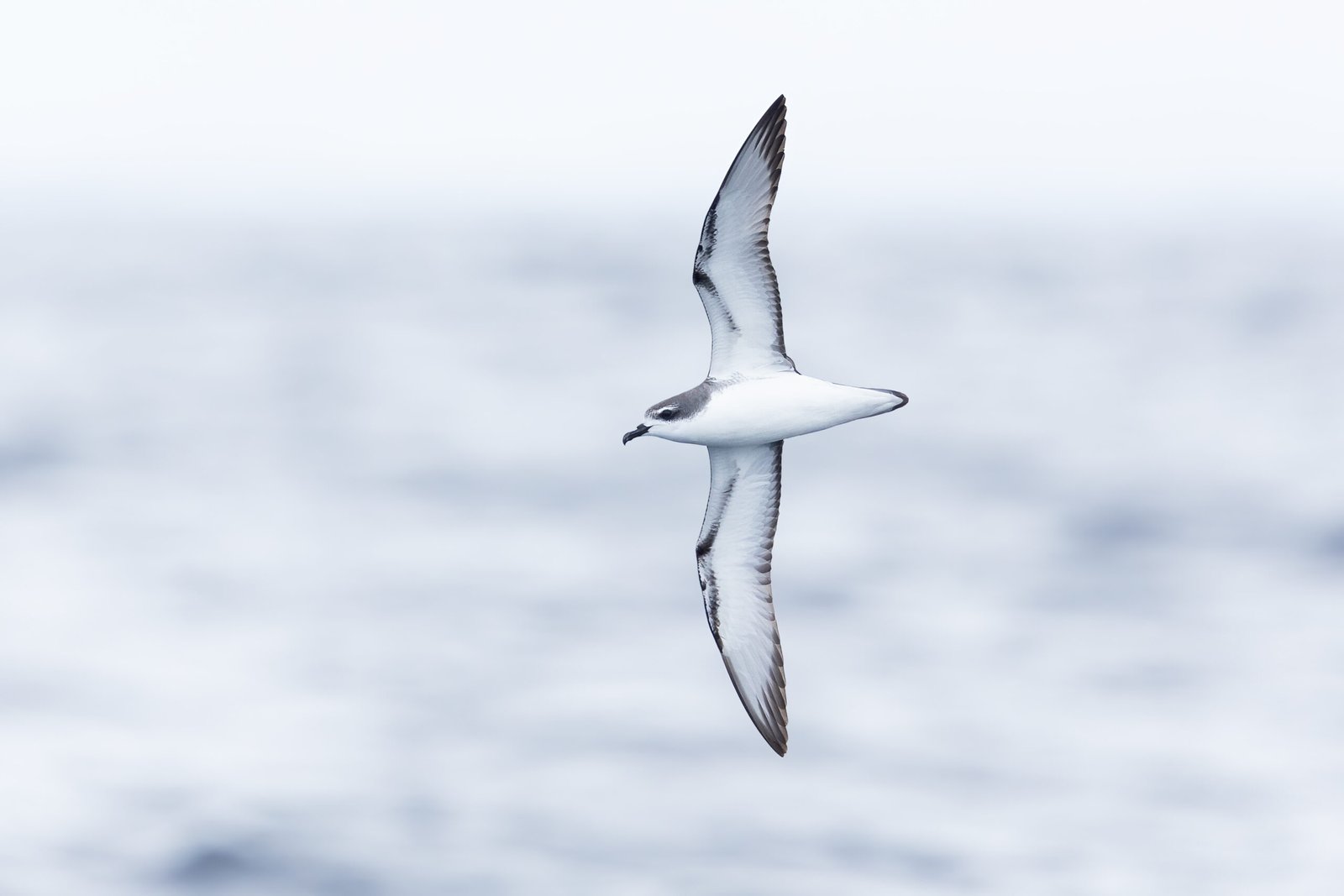
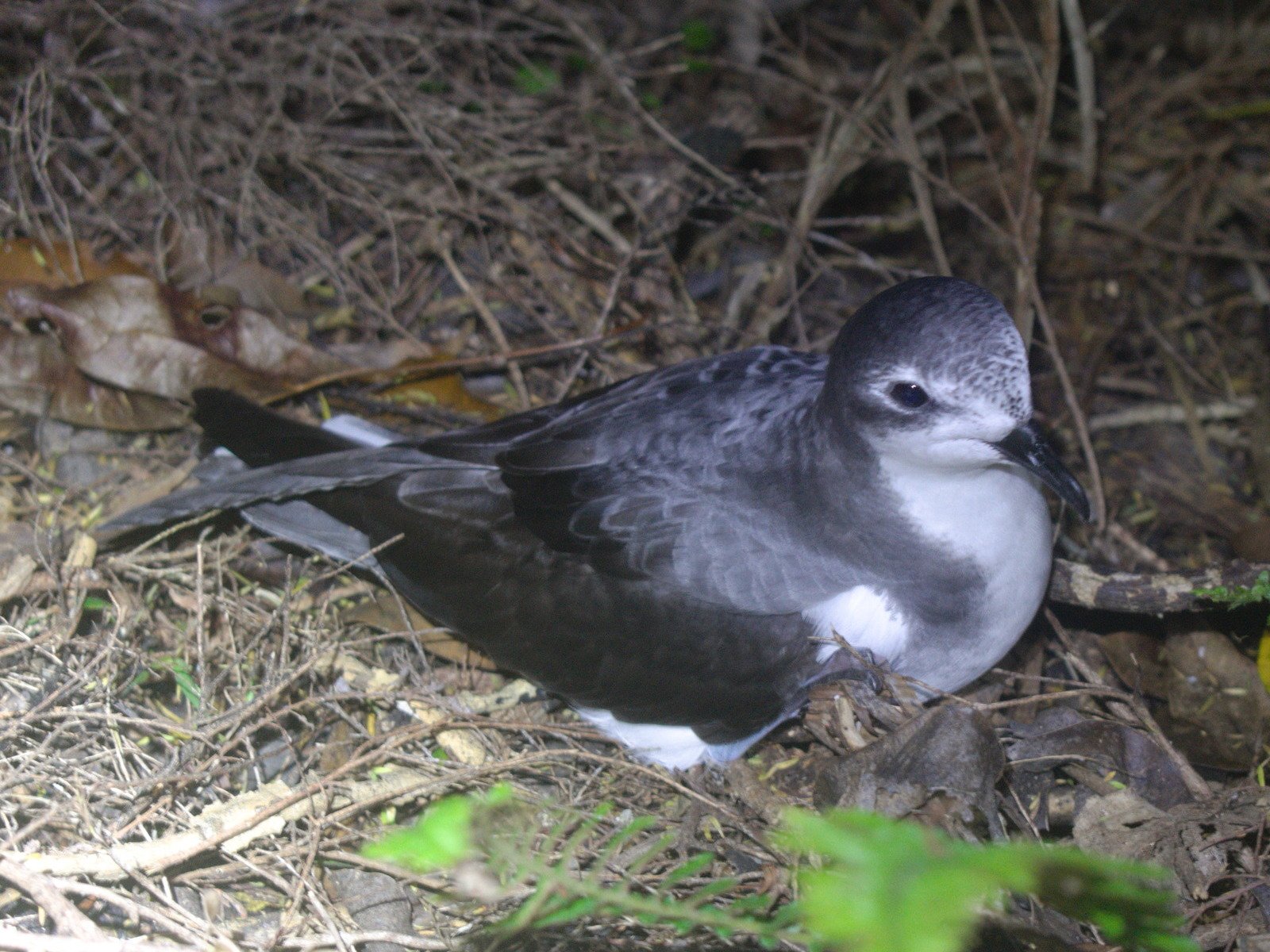
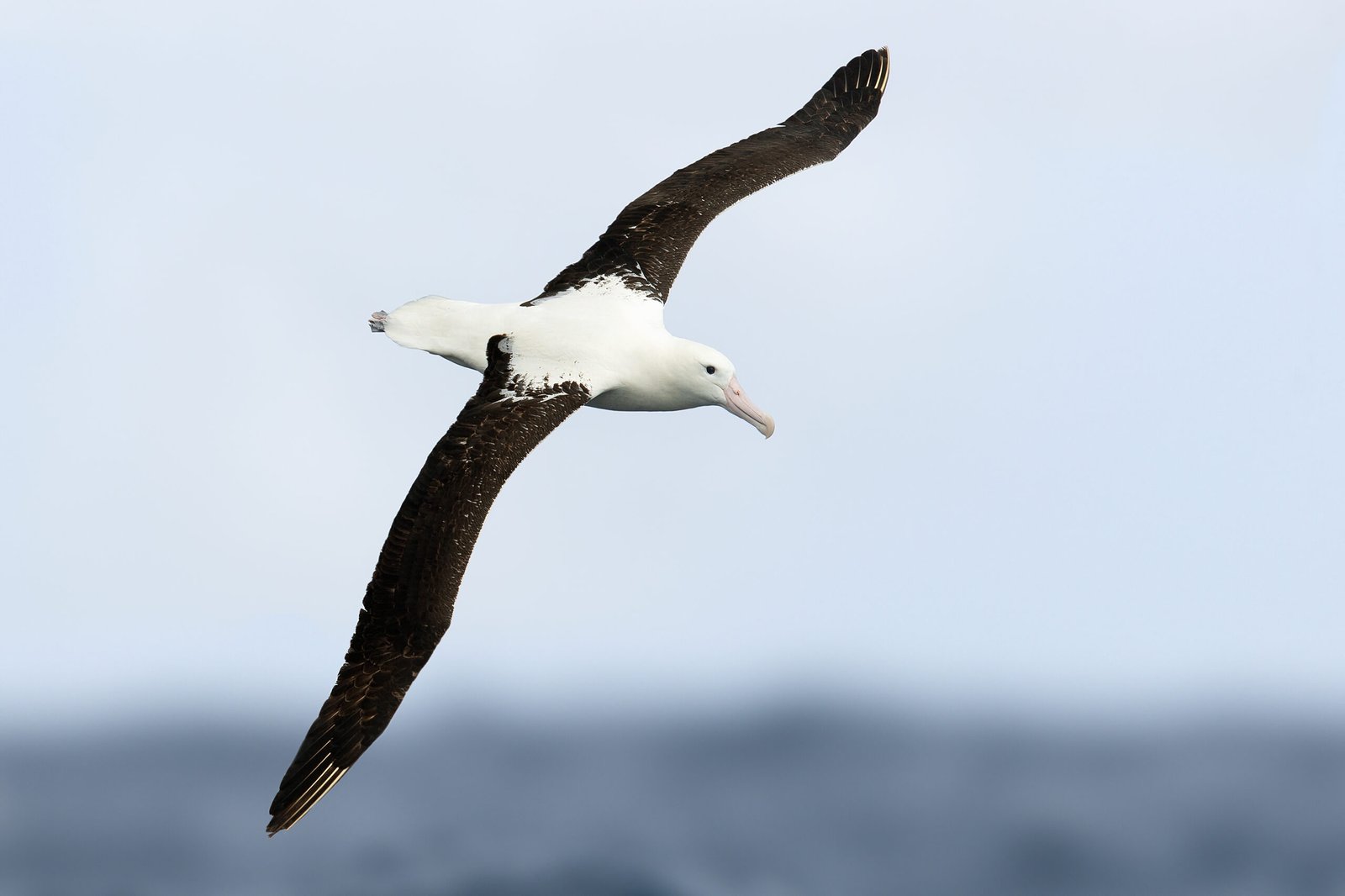
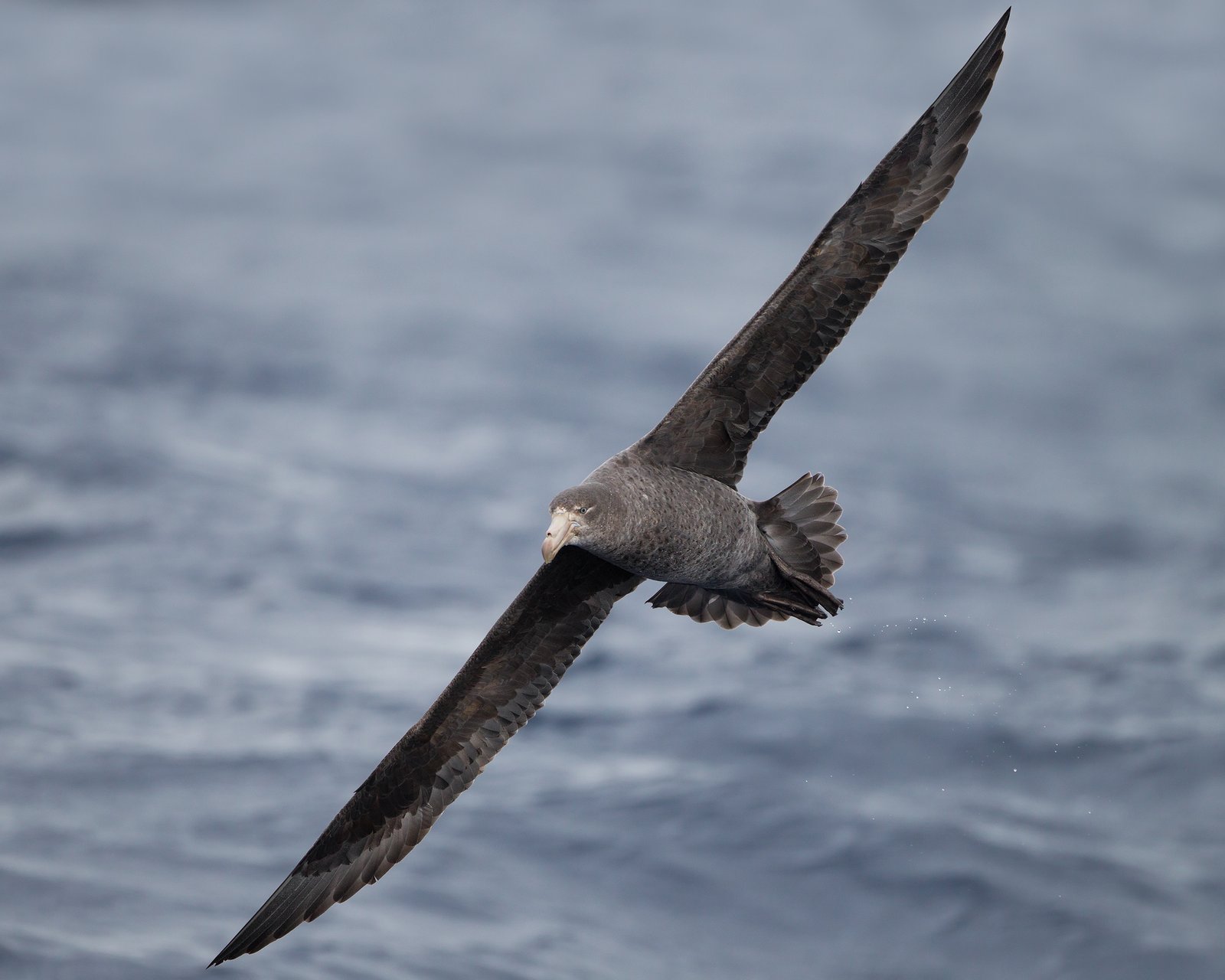
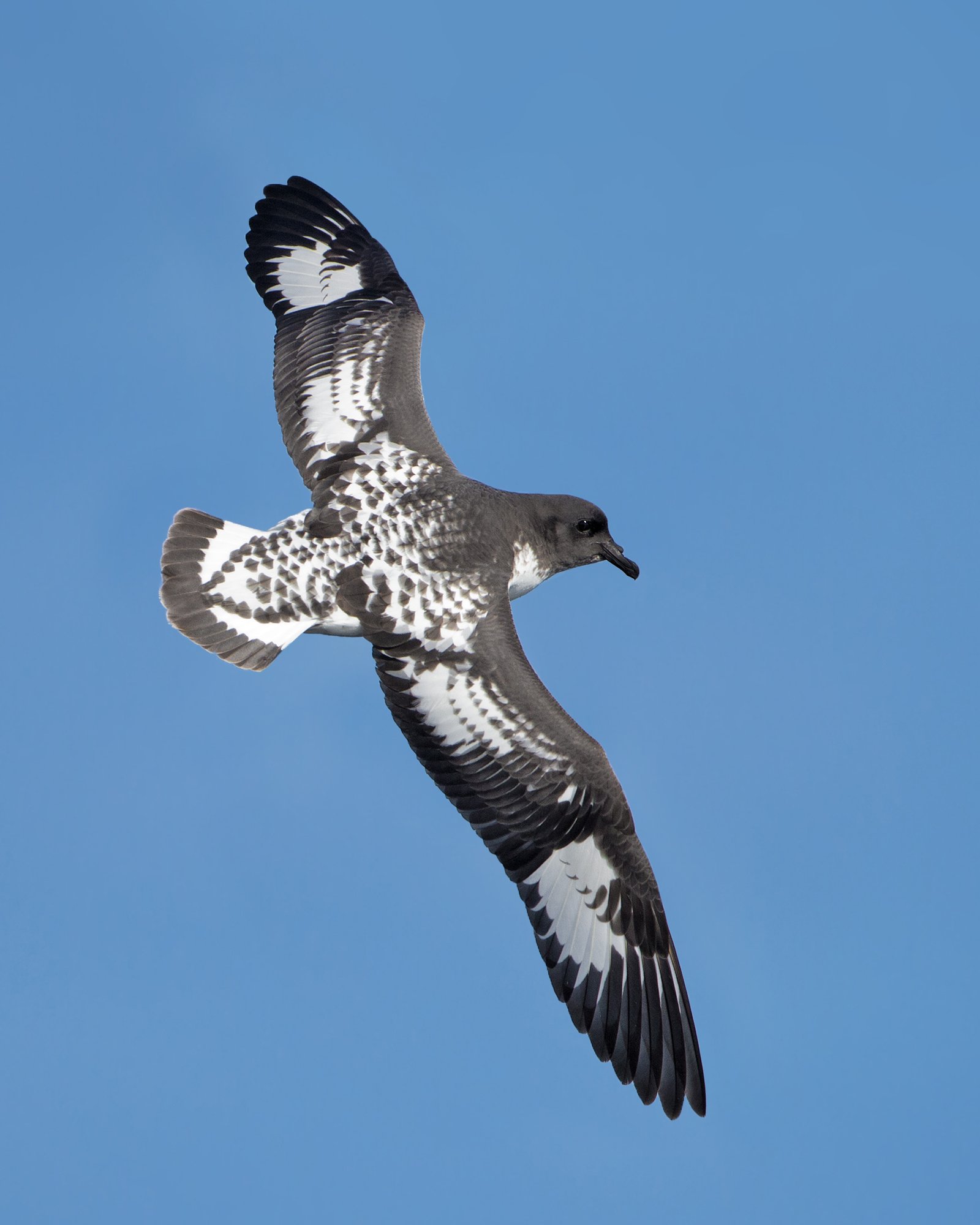
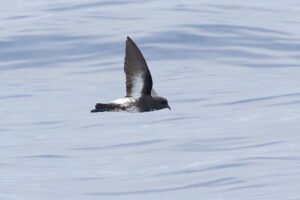
A rugged, seabird-rich cluster of islands off Northland’s Tutukaka Coast, the Poor Knights Islands are famous for their birdlife. This protected area harbors the only breeding colony of Buller’s Shearwaters, which nest here in globally significant numbers, along with species such as Grey-faced Petrels, Little Shearwaters, and Australasian Gannets. The surrounding waters may yield sightings of New Zealand storm-petrels, Common Diving-Petrels, and visitors such as Black Petrels or wandering albatrosses further offshore. While you can’t visit the islands themselves, taking a pelagic tour is the best way to experience the area!

Featured Birds

Costs

Required Costs

  • If you plan to only go to Tutukaka, then there are no required costs.

Add-on Costs

  • Guided Tours/Pelagics — Look up the most up-to-date cost with the Petrel Station here!

Accessibility

This area is only accessible through boat, so if you get bad motion sickness or are not comfortable riding on a smaller charter boat, then this might not be the best option for you. If you have trouble standing for longer periods of time or are unable to move around a boat unaided, then you might want to potentially reconsider. The Petrel Station has an excellent FAQ section that can answer these questions in much greater detail, which you can visit here.

Things to Know

Hours & Access

  • Tours can vary, the Petrel Station runs for the majority of the day.
  • To access this area, you need to hop on a tour.

Facilities

  • Many boats will have a restroom on board, but do research beforehand.
  • The marina has parking, and many accommodations are only a few minutes walk away.

Rules & Restrictions

  • No fishing or disturbing of any marine life.
  • You must keep at least 20 meters from NZ fur seals.
  • No taking of any marine life or any items off the sea floor.
  • No feeding of any animals there.

Safety

  • You will likely be on a boat, so be sure to listen as captains will go over safety on the boat beforehand. For extra reading, visit the DOC’s page on water and boat safety here!

Tips & Tricks

  • As you’re likely going to be using binoculars or a camera on a boat, one guideline to always follow is to make sure you are stable before putting anything up to your eyes. Do not lean on the edge of the boat to do this, as if you’re not paying attention you could fall overboard. 
  • Bring lots of lens cloths! You’ll likely get a good amount of salt water on your lenses, and this needs to be wiped off promptly, or you risk them getting scratched. It’ll also make seeing them easier.
  • Study up on Cook’s vs Pycroft’s Petrel! The differences are very small, and being able to pick these out is incredibly useful.

Getting there

Overall, driving is your best option. This area starts to get a little more remote, and having the flexibility of your own vehicle is really helpful. That being said, it is not the only option. The Intercity Bus has a route from Auckland to Whangārei, which takes about 3 hours each way. Once there, you can grab a shuttle through Whangārei Coastal Commuter, which takes about 30-45 minutes. This will take you to the Tutukaka Marina, which is where the pelagic tours depart.

Which one should you take? While that’s ultimately up to you, here are some things to consider. The bus + shuttle combo tends to run around a similar price range to renting a car for 2 days (considering other fees like insurance and gas), so for a solo traveler skipping on the car could be a better option as you’ll likely save more money. If you have a party of 2 or more, a car is likely your best option. The total cost of tickets for every person will very heavily outweigh the cost of just a single car. As always, if you want more flexibility, then a car is your best option.

Places to Stay

While you can stay in Whangārei, Tutukaka is your best bet. Tours often start at sunrise, so being as close as possible to Tutukaka Marina is optimal. With that in mind, here are my recommendations:

Quality Hotel Oceans Tutukaka

Quality Hotel Oceans Tutukaka offers a scenic and convenient place to stay on New  Zealand’s Tutukaka Coast. Right on the edge of the Tutukaka Marina, the hotel has great bay views and instant access to the marina.

The hotel comes with modern comforts like super-king beds (reconfigurable as twins), ensuite bathrooms, air conditioning, free Wi-Fi, and complimentary parking. The hotel also features a saltwater outdoor pool, BBQ area, and the on-site Wahi Restaurant, a nice choice after being on the sea for the previous 9 hours. Click below to go to their website!

Tutukaka Holiday Park

Nestled in a scenic valley, Tutukaka Holiday Park is a well-regarded base located just a few minutes walk from the Tutukaka Marina and marina boat ramp. It’s an ideal choice for bird-minded travelers and nature lovers alike, and my personal top recommendation in this area. This was not even an exaggeration to say that I woke up to Kiwi and Morepork in the middle of the night!

The park offers powered caravan sites, tent sites, and various cabin options, from standard and ensuite cabins to self-contained studio and two-bedroom units, as well as dorm-style bunkrooms. Facilities include a well-maintained communal kitchen, barbecue area, laundry and shower blocks, and a dedicated drying space for dive gear. With tons of different options, if you’re seeking affordable, nature-adjacent accommodation in Tutukaka, this holiday park is a great pick.

Tiritiri Matangi Island

Auckland, Auckland Region, NZ

Tiritiri Matangi Bunkhouses

© AlasdairW via Wikimedia Commons, used under CC BY-SA 3.0
Southern Black-backed Gull/Kelp Gull

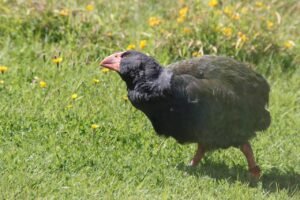
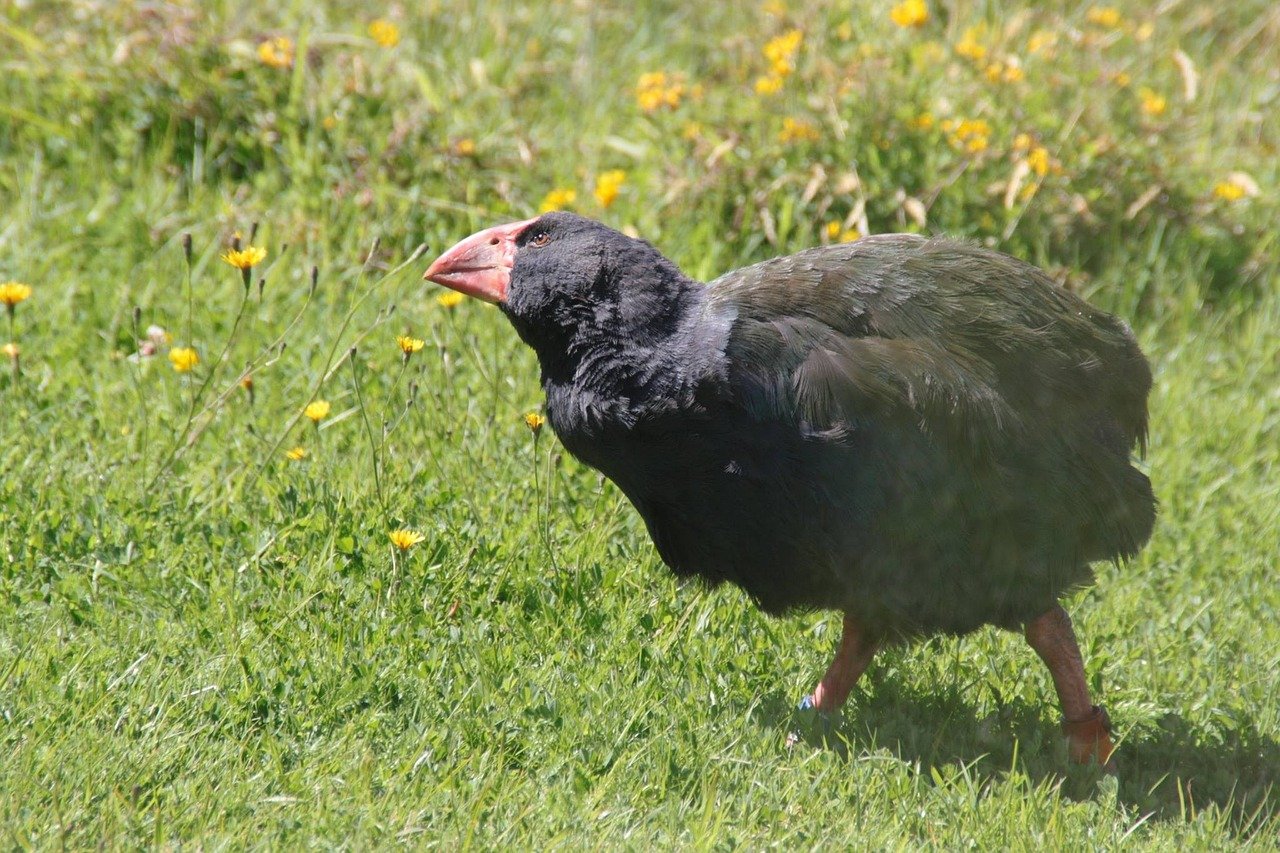
Looking to see a Takahē soon after stepping off the plane? This might be one of the best options. Tiritiri Matangi is an island located right off the coast of Auckland, easily accessible by ferry. Not only is this an offshore haven for South Island Takahē, away from predators, but a sanctuary for many ailing species. Here you can find all kinds of endemic species, from ground specialists like the Takahē and Little Spotted Kiwi to charismatic forest species like the North Island Kōkako and North Island Tīeke. You can go just for a day trip, or stay the night and hang out with the nocturnal species while staying at the island’s bunkhouse.

Featured Birds

Costs

Required Costs

  • Ferry Tickets — The ferry is typically round trip NZ $90 for adults and NZ $50 for children (although during some periods child tickets may be purchased at a discounted price). Check here for the most up-to-date pricing!

Add-on Costs

  • Guided Tours NZ $10 per adult and NZ $2.50 for kids if you’re booking them with your ferry tickets.
  • On-site AccommodationNZD $48 per adult (cheaper for children).

Accessibility

Tiritiri Matangi Island offers a range of options for visitors with varying mobility levels, but some terrain can still pose challenges. The main wharf area is accessible via the ferry, and DOC staff or volunteers can provide assistance when disembarking. The shorter, flatter Wattle Track from the wharf to the visitor centre is suitable for most visitors, with seating areas along the way. Other tracks on the island involve steeper gradients, steps, and uneven surfaces, making them less suitable for those with mobility impairments. There are accessible toilets at the visitor centre, and ferry operators can advise on wheelchair access and pre-booked assistance.

Things to Know

Hours & Access

  • You’re required to use the ferry to get to the island.
  • Day trips can vary slightly, check the ferry timetables for the most up-to-date times.

Facilities

  • There is a visitor centre at the top of the hill near the lighthouse.
  • There are restrooms located at the wharf, Hobbs Beach, the lighthouse area and Spagetti Junction.

Rules & Restrictions

  • No food is sold on the island.
  • Dogs are not allowed on the island.
  • If you plan to stay overnight, you need to complete a biosecurity checklist. You can get more information on that here.
  • No feeding of any animals.
  • Smoking is only allowed at the wharf on the concrete and the gravel at the visitor centre.
  • Playback is not allowed.

Safety

  • You will likely be on a boat during your trip to the island, so be sure to listen as captains will go over safety on the boat beforehand. For extra reading, visit the DOC’s page on water and boat safety here!

Tips & Tricks

  • Bring food! You will not be able to get any here.
  • Service can sometimes be spotty, so download any ID resources you need ahead of time.
  • If you see a Takahē, it is South Island, not North Island. Unfortunately, the North Island Takahē is extinct.

Getting there

This is actually a pretty simple one. All you have to do is catch a ferry directly from downtown Auckland! That’s it. The ferry leaves via the Viaduct Harbor, and takes about 80 minutes to get to the island. To get more info on time tables and booking, check out the ferry here. You can also leave from Gulf Harbor, which has its benefits and detriments. While the ferry ride does not take as long, (about 30ish minutes), Gulf Harbor is further removed from Auckland. You have to drive or take a bus out to the area, and there aren’t nearly as many amenities as being in the Auckland CBD. You also pay the same rate, so which area you leave from more just depends on how long you want to be on the ferry and what area you would prefer staying. 

Places to Stay

So you have a couple options here, and it mostly depends on if you want to participate in nocturnal birding activities (mainly looking for kiwi!). If you don’t want to stay overnight, or the on-island accommodation is booked, day trips to the island are totally viable from Auckland, and in fact common. In that case, find a spot that works for you in the city and then go to Tiritiri Matangi during the day. For the on-island accommodation, it’s definitely a good idea to book in advance as it can sometimes be tough to get a spot last minute.

Tiritiri Matangi Island Bunkhouse

Tiritiri Matangi Bunkhouse is the only overnight accommodation available on the island, nestled just below the historic lighthouse and visitor centre. Managed by the Department of Conservation (DOC), the dorm-style bunkhouse offers 15 beds across three shared rooms, communal kitchen facilities, hot showers, and toilets.

The bunks really need to be booked in advance, especially during summer when demand often exceeds availability. Packing essentials include your own sleeping bag, pillowcase, and sheet. Food and snacks need to be brought, as there is no food kept or sold on island. All waste must be taken off the island, and strict biosecurity checks are enforced to protect the island’s predator‑free ecosystem.

Auckland

If you don’t want to stay on island, my next recommendation would be to just stay in Auckland! As the biggest city in New Zealand, whatever kind of accommodation you could want, you’ll likely find. There’s plenty to choose from and tons of amenities, so find whatever works for you. There are plenty of options within walking distance to the Viaduct Harbor that are budget friendly, which makes it very easy to not have to get a vehicle immediately upon arriving in Auckland.

Pūkorokoro Miranda Shorebird Centre

Pūkorokoro, Waikato Region, NZ

Pūkorokoro town

© Russel Street via Flickr, used under CC BY-SA 2.0

Visitors Centre

© Wilma Verburg via Wikimedia Commons, used under CC BY-SA 3.0 NL
Flock of South Island Oystercatchers

Flock of migrating Red Knots

Want to see thousands of birds in one sweeping view? Head to Pūkorokoro. Just over an hour southeast of Auckland, the Pūkorokoro Miranda Shorebird Centre is one of New Zealand’s most important shorebird habitats. Located on the Firth of Thames, this wetland is a magnet for migratory species and New Zealand residents. Timing is key, with the best numbers usually seen around high tide when birds gather close to the hides for easy viewing. The centre itself offers resources, knowledgeable staff, and even accommodation options for those wanting to immerse themselves in the rhythm of the tidal flats. Learn more at their website below!

Featured Birds

Costs

Required Costs

  • The Shorebird Centre is free to visit (although donations appreciated), so there are no required costs.

Add-on Costs

  • Guided Tours NZ $50 per adult and NZ $30 per child (infants excluded).
  • On-site Accommodation —Self-contained Units: NZ $135 (NZ $90 if member) for two people, NZ $35 (NZ $20 if member) for each additional person. Bunk rooms: NZ $35 (NZ $20 if member) per person.

Accessibility

The Shorebird Centre is generally accessible for visitors of all mobility levels. The visitor centre itself is wheelchair-friendly, with accessible parking and restrooms on site. The short track to the main bird hide is mostly flat and firm underfoot, though it can become softer or muddy after heavy rain. The hide features a gentle ramp for wheelchair users and those who prefer to avoid steps. Most viewing opportunities are close to the car park and involve minimal walking, making the site a good option for birders with limited mobility.

Things to Know

Hours & Access

  • The visitors centre is open from 9:00am to 5:00pm every day except Christmas.
  • Day trips can vary slightly, check the ferry timetables for the most up-to-date times.

Facilities

  • There is a visitor centre, which can give insights about the area.
  • There are restrooms located in the visitor centre.

Rules & Restrictions

  • While not exclusively a hard rule, dogs should not be taken to this area.
  • Do not feed any birds.
  • Keep your distance.

Safety

  • While overall the trails are quite light, do be careful that this is a wetland environment, so you might potentially run into issues of mud, which can cause mobility issues if you don’t know how to deal with it or have your own mobility issues.

Tips & Tricks

  • If you have a scope, bring it! Shorebirds are notoriously tricky to ID without it. If you don’t have one, you can talk to the centre and potentially hire one.
  • Shorebird ID is extremely tricky, so if you are here during summer, be aware that is the main time for migrants.

Getting there

As of right now, there is really no direct public transportation route to Pūkorokoro and the shorebird centre, the closest would be getting an Intercity Bus down to Pōkeno and then ride sharing from there (if there is one available). Realistically, you’re likely going to want to drive this one. Luckily, it’s not too far away from Auckland, only about an hour south of the city center.

Places to Stay

This really depends on how close you’d like to be, the level of comfort you’re looking for, are you comfortable driving more, etc. as you have the option of staying as close as the centre itself, or you could even opt to stay back in Auckland and just make a day trip out of this area.

Pūkorokoro Miranda Shorebird Centre​

The Pūkorokoro Shorebird Centre offers simple, affordable on-site accommodations just steps from the tidal flats. Options include bunk rooms and self-contained units, making it an excellent base for birders who want to catch both the morning and evening shorebird movements without extra travel. Self-contained units have their own bathroom and kitchen, while those in the bunk rooms have a shared living space. Staying here not only provides easy access to the hides and the shoreline but also helps support the centre’s ongoing conservation and education work.

Auckland

For those like me who don’t mind doing a bit of driving in a day, staying in Auckland is totally viable! You only have to drive about an hour each way, so if you want to just use Auckland as a base for areas like Tiritiri Matangi and the Shorebird Centre, that’s totally an option. Auckland has a much more diverse option of accommodations from luxury hotels to hostels, so it can provide a much greater comfort in availability.

Sanctuary Mountain Maungatautari

Pukeatua, Waikato Region, NZ

Takahē family of the wetlands enclosure

NZ Fantail/Pīwakawaka

Sanctuary Mountain Maungatautari is one of New Zealand’s largest inland ecological restoration projects, located in the Waikato region near Cambridge. Enclosed by a 47 km pest-proof fence, the sanctuary protects a rich remnant of native forest and offers a rare glimpse into what much of the country once looked like. Visitors can expect well-maintained walking tracks through lush bush alive with the songs of Tīeke, Hihi, Kākā, and other rare native birds. The northern enclosure is free to access and offers a more rugged, self-guided experience, while the main visitor area and southern enclosure includes guided tours, treetop canopy views, and educational exhibits. It’s a must-visit for anyone seeking close encounters with New Zealand’s birdlife in a predator-free haven.

Featured Birds

Costs

Required Costs

  • Entry Fee — The entry fees to get into the southern enclosure of the sanctuary are currently NZ $32 per adult and NZ $16 per child. You can book these here! You can get bundle deals for families as well. The northern enclosure is free to visit.

Add-on Costs

  • Guided Tours — prices on these can vary depending on the experience you want, so check the sanctuary website here to see which you prefer!
  • On-site Accommodation — this can depend on the time period you book, so check their listing to gauge prices!

Accessibility

The sanctuary offers a range of tracks to suit different mobility levels, though terrain varies considerably. The Southern Enclosure has the most accessible options, with wide, well-maintained gravel paths and short loops suitable for most visitors. However, unless you have an all-terrain wheelchair, the enclosures might be a little bit too much for those in wheelchairs. Seating is available at intervals along the main track, and accessible restrooms are located near the visitor centre. The forest canopy tower and some longer bush trails require climbing steps or navigating uneven ground, which may not be suitable for all. The visitors centre is completely wheelchair-accessible for those that want to see this area. Parking is available close to the main entrance, and staff are happy to advise on the best routes for your needs before you set out. Feel free to check out the FAQ section of the sanctuary website here to get a good idea of what to expect.

Things to Know

Hours & Access

  • The visitors centre and sanctuary are open from 9:00am to 4:00pm every day except Christmas. This is excluding a specifically booked night tour.

Facilities

  • There is a visitor centre, which can give insights about the sanctuary.
  • There are restrooms located in the visitor centre and the Rātā track.

Rules & Restrictions

  • You need to carry out biosecurity checks before entering the sanctuary.
  • Dogs are not allowed inside the sanctuary. If you have a service dog, speak ahead of time to staff and the dog may be allowed inside provided they stay on a leash with a muzzle. No dogs are allowed in the northern enclosure.
  • Keep your distance from animals.

Safety

  • Overall this is a very safe environment, just be careful of potentially loose gravel or slopes when walking.

Tips & Tricks

  • If you are set on seeing Takahē, you will need to book a Wetland guided tour. They are not kept in the normal southern enclosure available with the standard entry pass.

Getting there

This is another area that using a car is going to be the easiest and most straightforward option. The sanctuary is only about 30 minutes from Cambridge, and an hour from Hamilton. Ride sharing from Cambridge is potentially an option, but can get costly. There are also third party tours that can provide transport, however these are usually quite expensive, you have to follow a strict schedule, and often aren’t just to the sanctuary (most are combos that go to places like Hobbiton, Hamilton Gardens, Waitomo Caves, etc.). You can check out companies like Viator which offer these tours.

Places to Stay

Again this is just something that depends on your preferences. You can look into staying right at the sanctuary, but this can be hard to pull off without planning in advance. If you’re not as picky, Cambridge can be a great area to use as a base as it’s not too far away from the sanctuary and Hobbiton (let’s be honest, this is also on your list).

Sanctuary Mountain Maungatautari

The Sanctuary operates their own AirBnB, which is located right next to the southern enclosure. You have access to a full house with 3 beds, 1 bathroom, and amenities like a kitchen, WiFi, and free parking. By booking this accommodation you also receive a pass to the sanctuary included for the duration of your stay.

Currently the accommodation is rated almost 5 stars and has a decent amount of testimonial to back up the quality. If you’re the kind of person that staying near the area is really important, consider this as an option. Be sure to book ahead of time though!

Cambridge

Cambridge is (in my opinion) a bit slept on. While not as big as Hamilton, it still has plenty of options in hotels and holiday parks, and is only 30 minutes away from the sanctuary. If you were interested in visiting Hobbiton, this is also a great place to stay as it too is about 30 minutes away. The town is very nice, with plenty of amenities but also still giving a very natural feel. You can check out accommodation options below.

Zealandia Te Māra a Tāne

Wellington, Wellington Region, NZ

Zealandia Visitors Centre

Feeding Kākā

Tūī in the trees

© Rosino via Flickr, used under CC BY-SA 2.0

Zealandia Te Māra a Tāne is an urban ecosanctuary located just minutes from downtown Wellington. Enclosed by a 8.6 km predator-proof fence, this 225-hectare valley is home to over 40 native bird species, many of which are rare or reintroduced, including Kākā, Tīeke, Hihi, and even Little Spotted Kiwi. Visitors can explore a network of scenic walking trails and boardwalks winding through regenerating forest and around a central reservoir, with options for both self-guided visits and expert-led tours, including popular night walks to see Kiwi and Tuatara. Zealandia offers a remarkable opportunity to experience New Zealand’s native wildlife thriving in a near-natural setting right on the edge of the city.

Featured Birds

Costs

Required Costs

  • Entry Fee — General admission tickets are NZ $26 per adult, and NZ $10 per child, which you can check out here. The general admission tickets also last for 2 consecutive days, so you have plenty of time to explore!

Add-on Costs

  • Guided Tours — prices on these can vary depending on the experience you want, so check the sanctuary website here to see which you prefer!

Accessibility

Zealandia is one of New Zealand’s most accessible wildlife sanctuaries, with well-graded paths and facilities designed to suit a wide range of mobility needs. The valley floor tracks are smooth, mostly level, and wheelchair- and stroller-friendly, with regular seating and viewing spots along the way. Accessible restrooms are located near the entrance and in key areas throughout the sanctuary. Steeper hillside tracks are available for those seeking more of a climb, but these are optional and clearly marked. Parking is available close to the entrance, and the sanctuary’s free shuttle from central Wellington is wheelchair-accessible. Staff and volunteers are happy to provide route suggestions tailored to your needs. The Zealandia website has a fairly comprehensive accessibility section, so feel free to check it out here!

Things to Know

Hours & Access

  • The visitors centre and sanctuary are open from 9:00am to 4:30 pm every day except Christmas. Last entry into the sanctuary is 4:00pm. This is excluding a specifically booked night tour.

Facilities

  • There is a visitor centre, which can give insights about the sanctuary.
  • There are restrooms located in the visitor centre and along some of the tracks in the lower valley.

Rules & Restrictions

  • You need to carry out biosecurity checks before entering the sanctuary.
  • Dogs are not allowed inside the sanctuary.
  • Keep your distance from animals.

Safety

  • Overall this is a very safe environment, just be careful of potentially loose gravel or slopes when walking.

Tips & Tricks

  • If you are set on seeing Takahē, you will need to hike it up past the upper dam to the Roto Mahanga Wetlands area. If you hike along the Hide Loop Track, that is the most likely place to see them.

Guides & Tours

Getting there

If you’re in the Wellington area, this is a pretty simple one with a ton of different methods. Already have a car rented? Just drive, but be wary that the parking can be limited so you could be out of luck during peak times. Don’t want to drive or don’t have your own car? Here are a bunch more options:

The bus system in Wellington is pretty good, and will go to stops within a few minutes’ walk of the sanctuary. The buses do not take debit/credit cards, you need to pay in cash (exact preferred) or you need to get a snapper card which works on all Wellington public transport. You can use the Metlink journey planner to see how much it costs each trip if you opt for cash.

Looking for something more scenic? Take the cable car! It goes from the city center to the top of the botanical gardens, after which you can walk or take a free shuttle to the sanctuary. This same shuttle also operates free from the city center. You can see all of this in detail on the Zealandia website here.

Places to Stay

Zealandia doesn’t have a dedicated place to stay by the sanctuary, but luckily it is right in Wellington, making it extremely accessible pretty much no matter where you stay.

Wellington

This is a pretty easy case of just picking somewhere that works the best for you in Wellington. I would recommend the city center, but realistically whatever makes you feel most comfortable will be the best option. Being one of the largest cities in New Zealand, you’ll be able to find pretty much any kind of accommodation you’d like. Explore your options down below.

Cook Strait

Between the North and South Island, NZ

Interislander Ferry

View of Marlborough Sounds from Picton

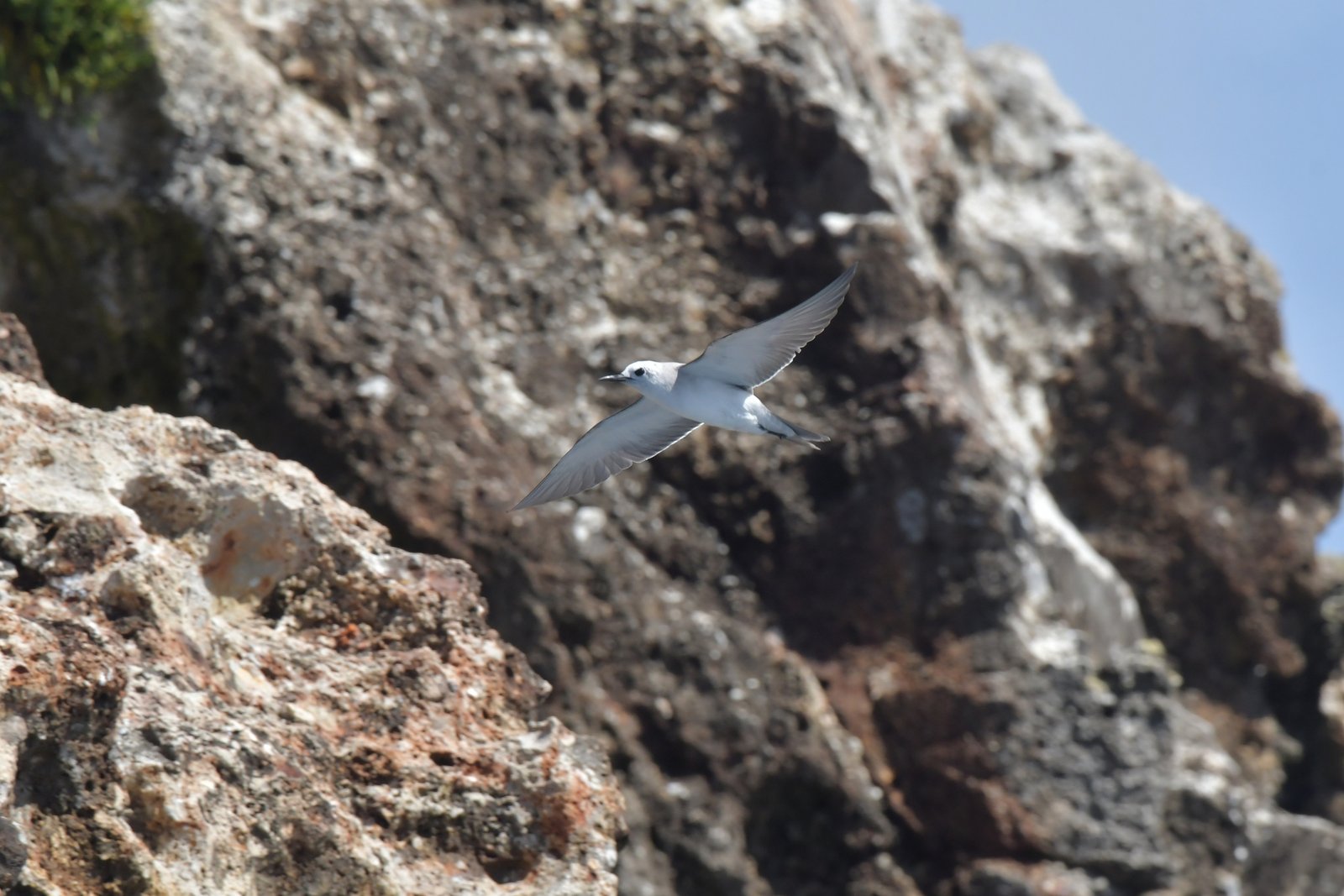
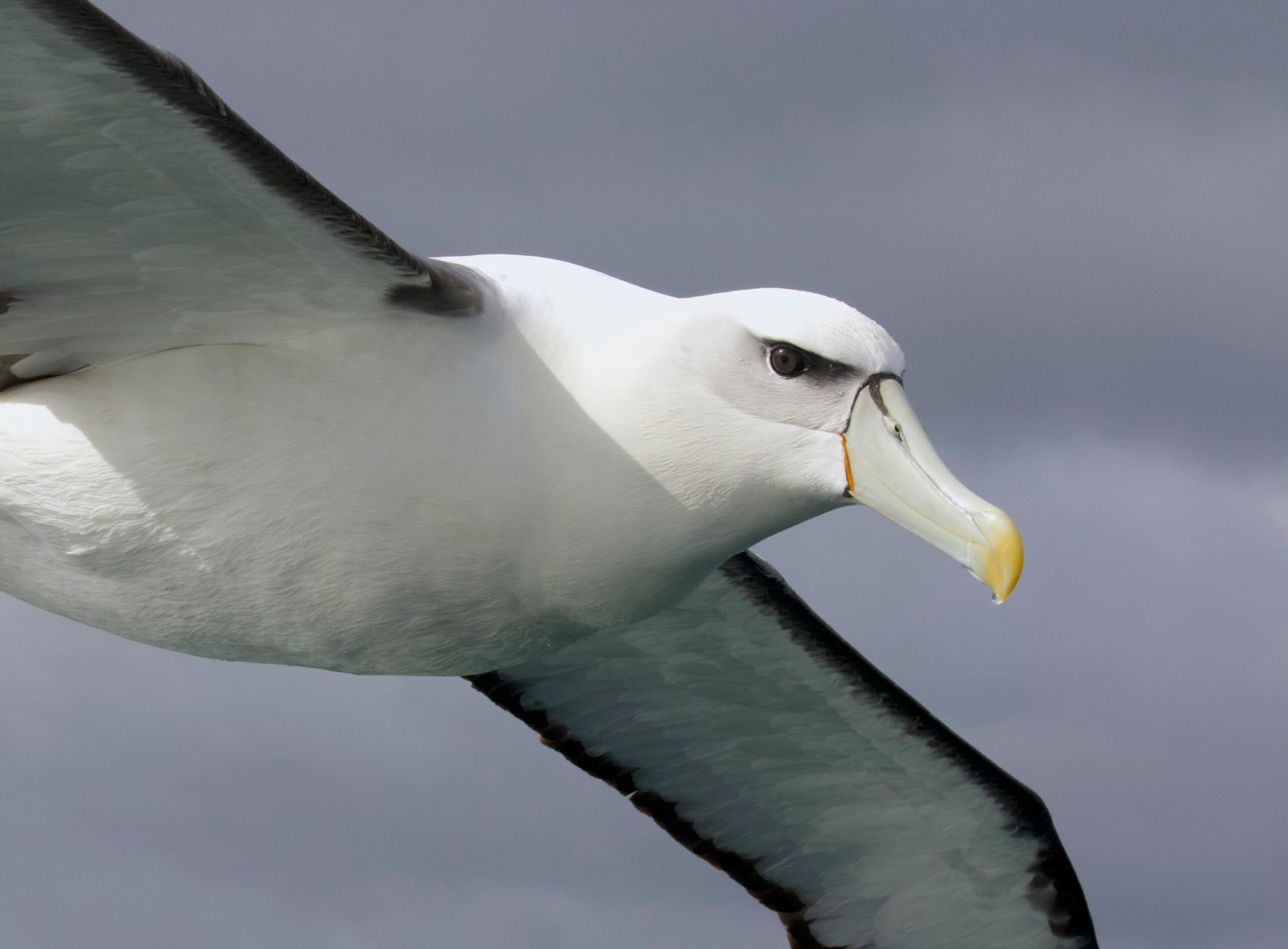
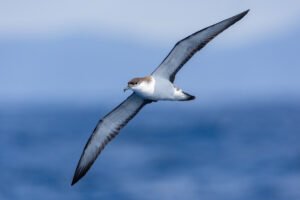
Linking New Zealand’s North and South Islands, the Cook Strait is not just a vital transport route but also one of the country’s most accessible pelagic birding locations. The ferry journey between Wellington and Picton offers sweeping views of open water and the sheltered beauty of the Marlborough Sounds, with the added bonus of seabirds often following the vessel. Fluttering Shearwaters, Spotted Shags, and White-fronted Terns are regular companions, while more offshore sightings can include Fairy Prions, Westland Petrels, and various albatross species. In summer, look for Australasian Gannets diving close to the ferry, and in winter, keep an eye out for rarities carried north by storms. The crossing is scenic in calm weather but can be rough in high winds—conditions that, while challenging for passengers, often bring more bird activity into view.

Featured Birds

Costs

Required Costs

  • Ferry Tickets — If you plan to cross on a ferry, you’ll need to pay for this. Base rates tend to run for around NZ $75-85, but this can depend on time of day and more. To get an exact estimate, visit the Interislander or Bluebridge websites. You could also seawatch, as there are some good places to do so such as Turakirae Head.

Add-on Costs

  • Upgrades to your ferry experience

Accessibility

Both Interislander and Bluebridge ferries operating across the Cook Strait are generally well-equipped for passengers with mobility needs. Terminals in Wellington and Picton have accessible parking, ramps, and elevators where needed, along with accessible restrooms. Boarding is typically via a gangway or vehicle deck, and staff can assist with wheelchairs or other mobility aids. Onboard, most ferries offer wide corridors, accessible bathrooms, and designated seating areas, though some upper decks may only be reachable by stairs. Both operators allow passengers to remain in their vehicles if arranged in advance for those unable to use the passenger decks. It’s recommended to notify the ferry company when booking to ensure any specific assistance is available.

Things to Know

Hours & Access

  • You’ll need a ferry ride or some sort of boat if you want to go into the strait.
  • If you want another option, you can seawatch from a southern location in Wellington, and might have some decent success as many seabirds pass through this area.

Facilities

  • This is variable on what you are doing.
  • Ferries will often have many restrooms, cafés, and other ammenities on board.

Rules & Restrictions

  • If you seawatch from somewhere with seals, make sure to stay 20 meters away.

Safety

  • You will likely be on a boat, so be sure to listen as captains will go over safety on the boat beforehand. For extra reading, visit the DOC’s page on water and boat safety here!

Tips & Tricks

  • If you opt to seawatch, two good places to check out are Turakirae Head and Cape Palliser. Both are excellent vantage points to see seabirds passing through the strait.
  • It can be quite windy, so regardless if you’re on a boat, ferry, or seawatching, make sure you take the time at the beginning to adjust and know how to counteract it.

Guides & Tours

  • Hop on a ferry and join in the fun! There aren’t really any major guides for this area, just something fun for you to do for yourself.

Getting there

Realistically the best way is to hop on a ferry! These run multiple times a day between Wellington and Picton. Birding here is great to do while you’re transiting between islands. 

Places to Stay

The ferries across the strait leave out of Wellington and Picton, so finding somewhere to stay on either side of the strait (Picton if coming from South Island, Wellington if coming from North Island) is likely your best option.

Wellington

This is a pretty easy case of just picking somewhere that works the best for you in Wellington. I would recommend the city center, but realistically whatever makes you feel most comfortable will be the best option. Being one of the largest cities in New Zealand, you’ll be able to find pretty much any kind of accommodation you’d like. Explore your options down below.

Picton

Picton is relatively small and easy to walk around. There are many accommodation choices depending on what you are looking for. I would explore below and choose what works best for your budget and comfort level!

Related Pages