New Zealand
An Avian Time Capsule: Birding the Endemic Wonders of Aotearoa
Last updated September 11th, 2025
Why Bird in New Zealand?
Tucked away in the South Pacific, New Zealand is a dream destination for birders who love a bit of adventure. With dozens of unique, endemic species you won’t find anywhere else, like kiwi, Kea, and Tūī, it’s one of the most fascinating birding countries on the planet. One of the main draws of birding in New Zealand is the fact that along with seeing crazy species found no where else, in the process you are immersing yourself in incredible landscapes, from misty fjords to rolling green hills. Add in the country’s eco-friendly mindset, quiet walking tracks, and welcoming locals, and you’ve got the perfect setup for a laid-back birding trip packed with birds unlike anything you’ve seen before.
In this guide, you’ll find tips on top birding locations in New Zealand, the best times to go, what to pack, and how to make the most of your time in Aotearoa. If spotting a kiwi or albatross is on your bucket list, then you’re in the right place.
Featured Bird Species
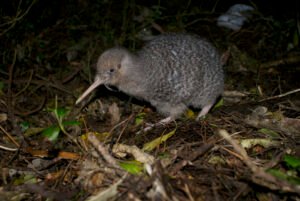
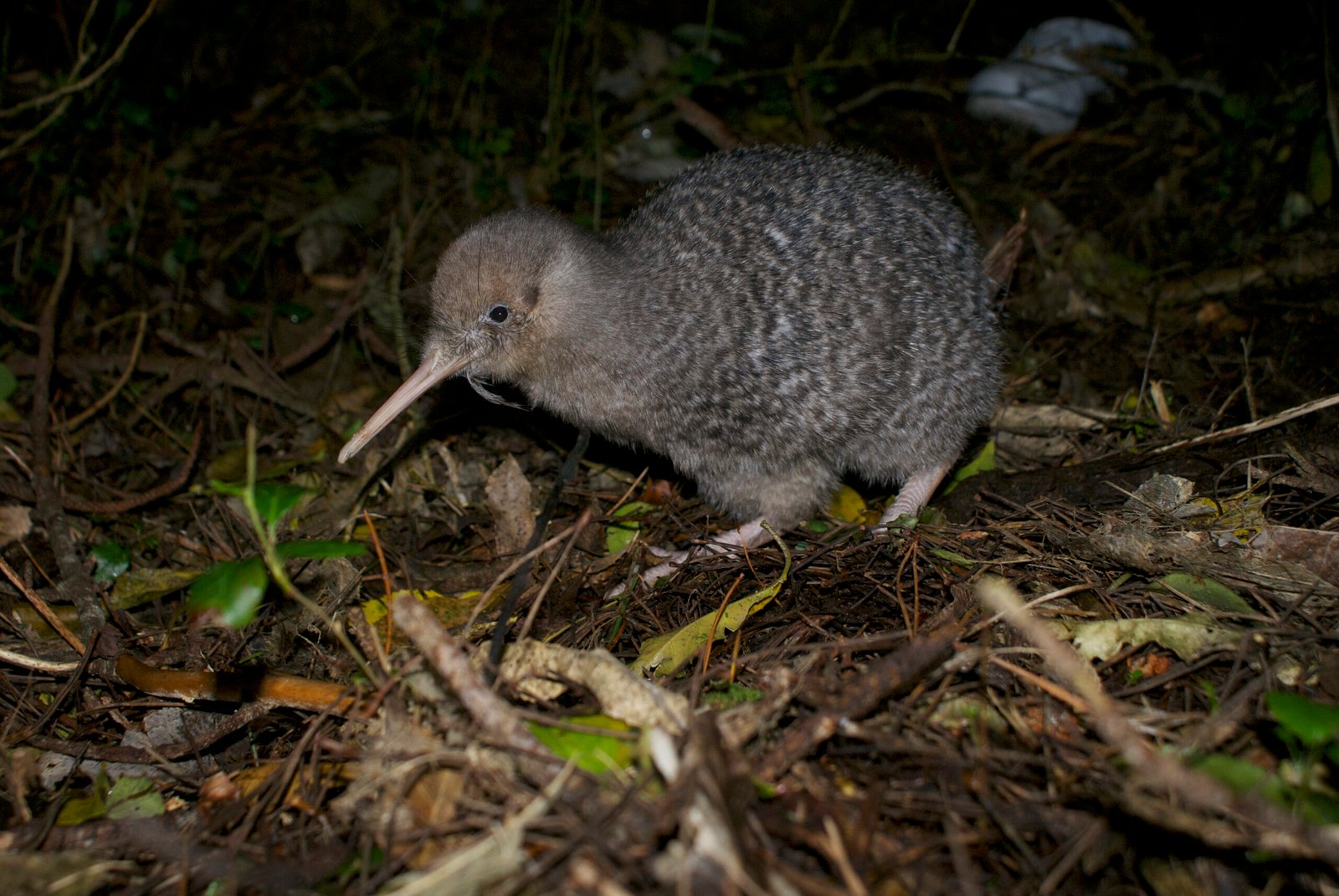
Little Spotted Kiwi/Kiwi pukupuku
© Kimberley Collins via Wikimedia Commons, used under CC BY‑SA 4.0
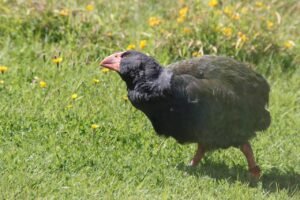
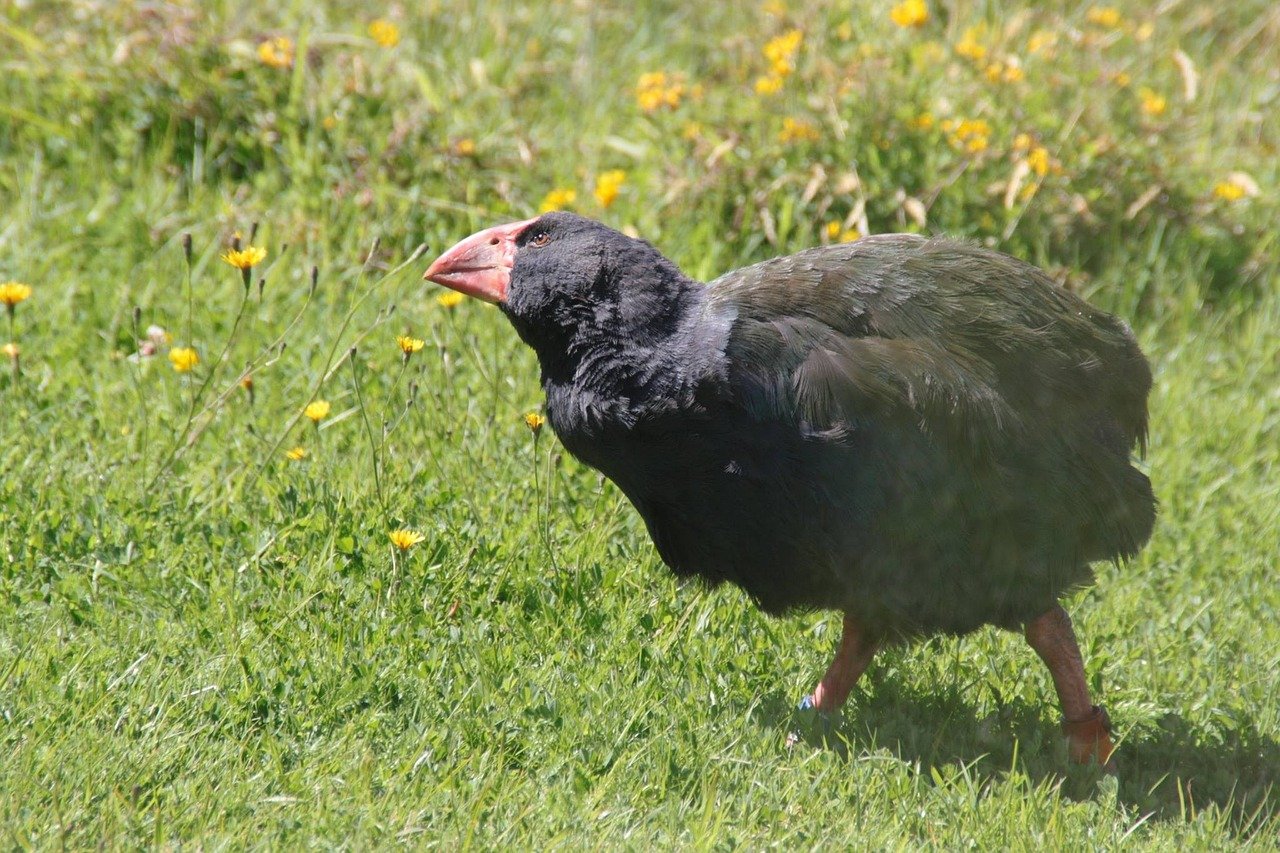
South Island Takahē
© Violet K via Pixabay, used under public domain (CC0)
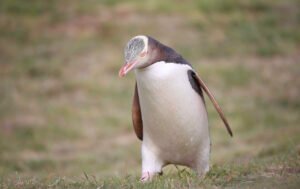
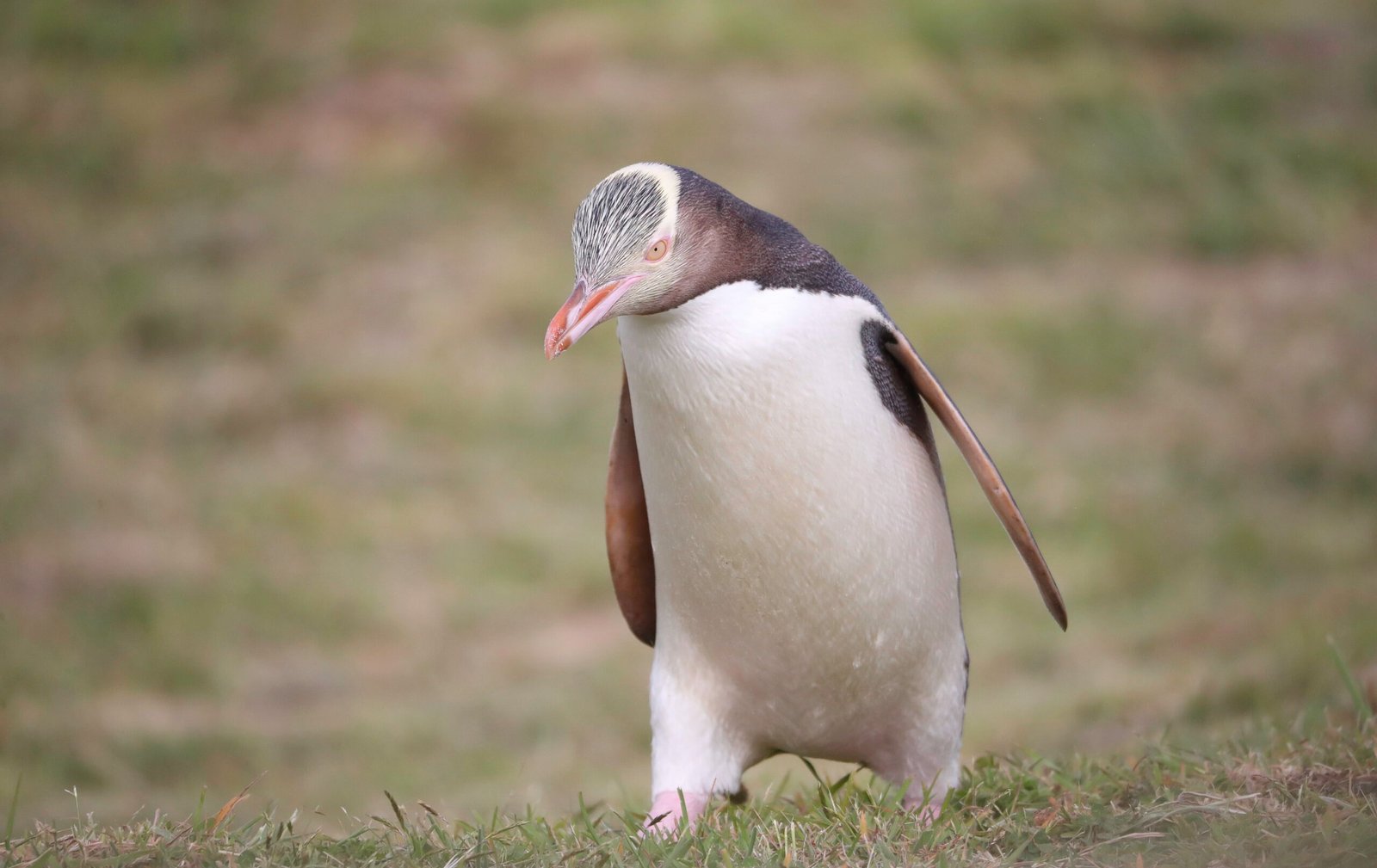
Yellow-eye Penguin/Hoiho
© Andy Witchger via Wikimedia Commons, used under CC BY 2.0
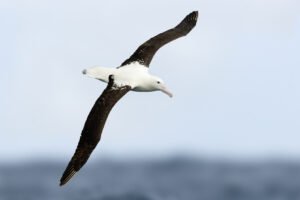
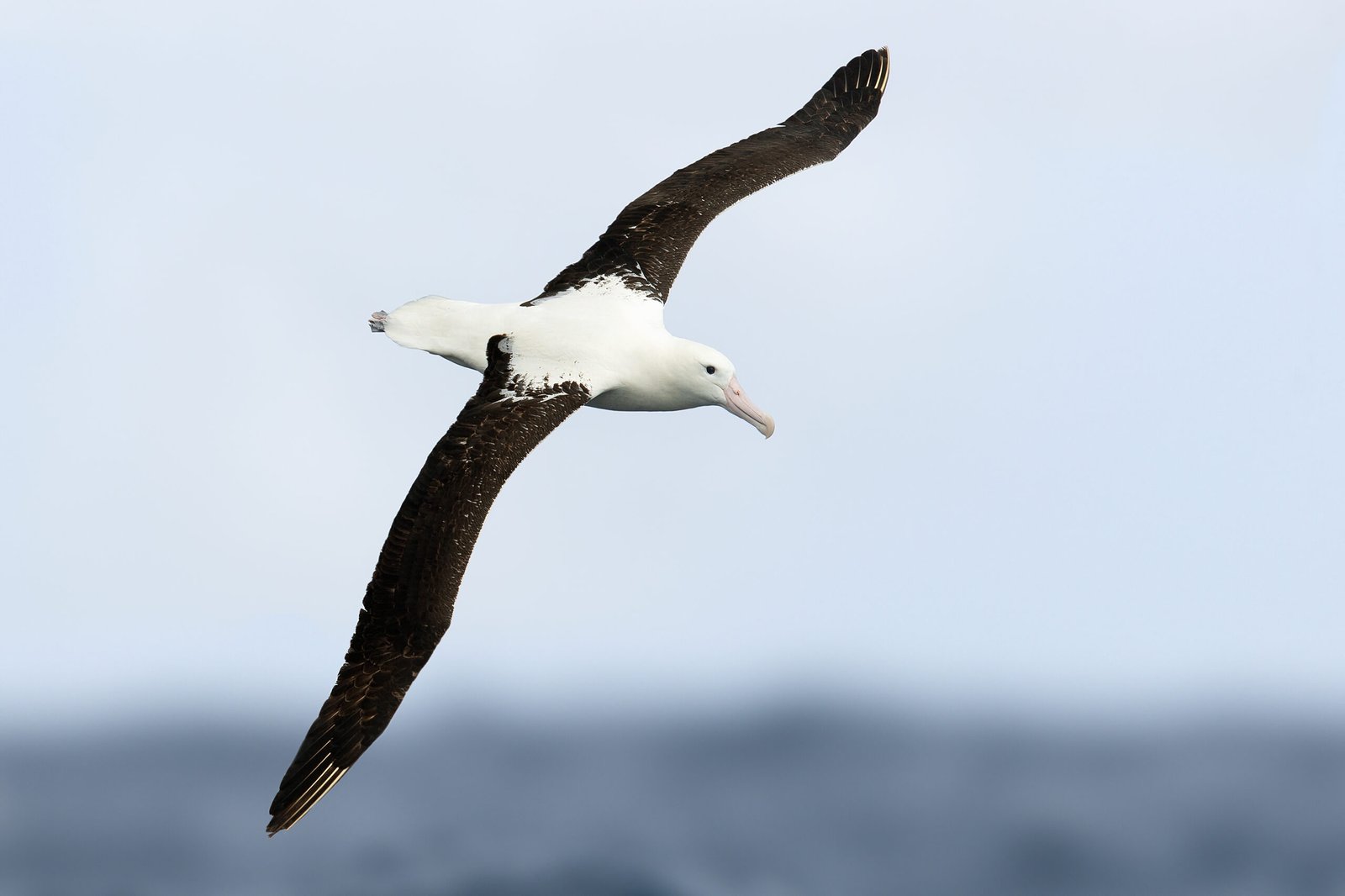
Northern Royal Albatross/Toroa
© JJ Harrison via Wikimedia Commons, used under CC BY‑SA 4.0
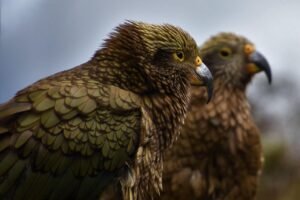
Kea
© traveller1955 via Pixabay, used under public domain (CC0)
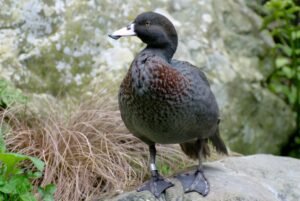
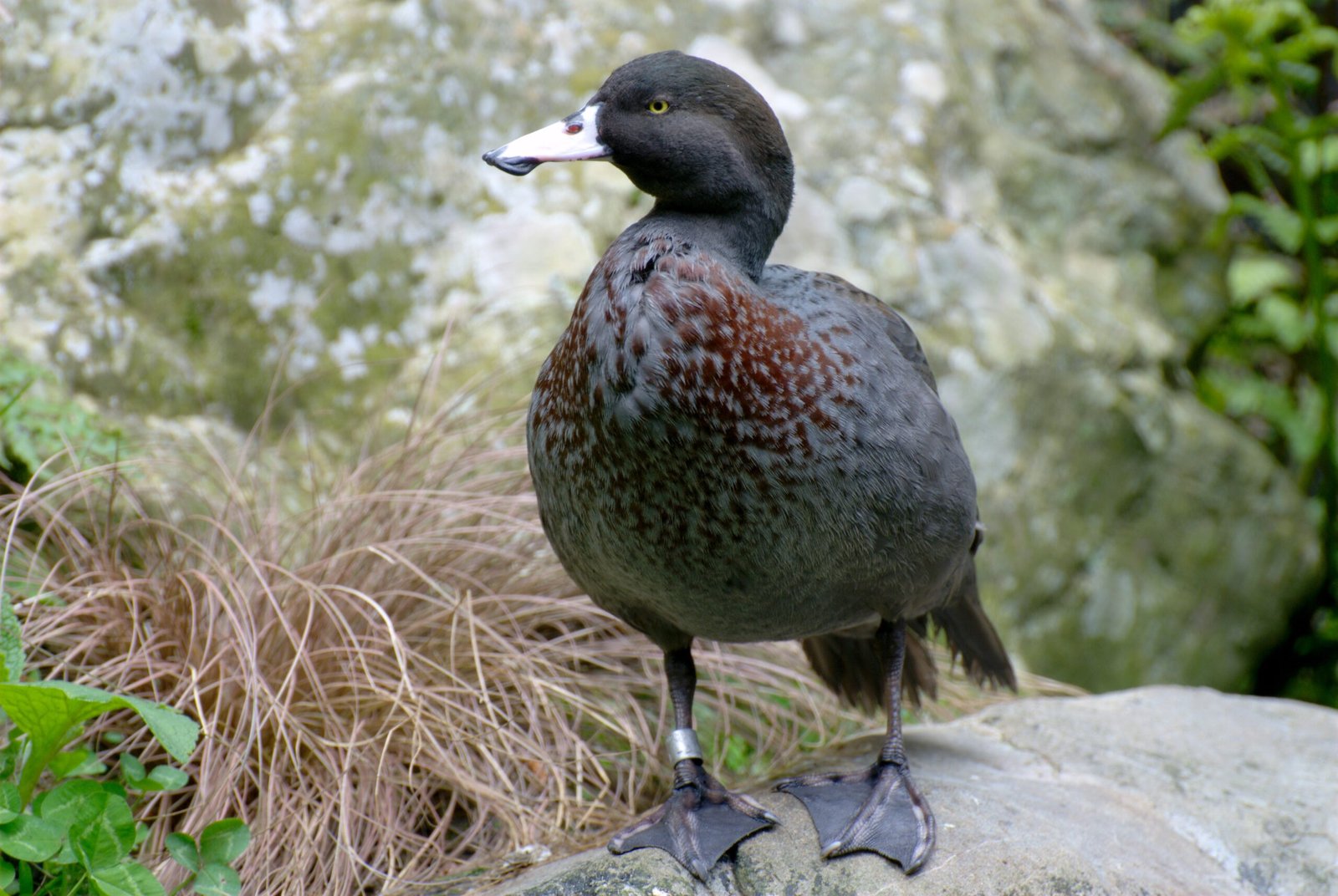
Blue Duck/Whio
© Karora via Wikimedia Commons, used under public domain
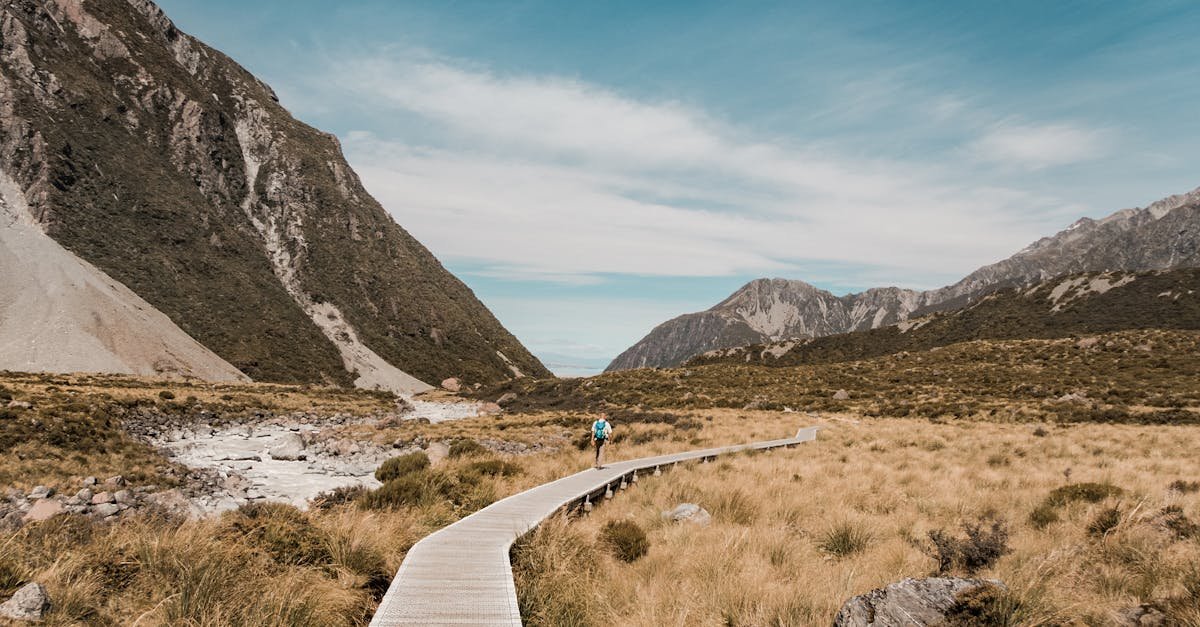
What to Know Before You Go
Culture of Aotearoa New Zealand
First off, what is Aotearoa? This name highlights the diversity within New Zealand, and is the original name of this country given by the first settling people, the Māori. Over time, many people all around the globe have come to settle in NZ, and created a very culturally, racially, and socially diverse country. Why talk about this? It paints an important message for those coming to visit, that as long as you come with the best intentions, you will be welcomed. With the extreme diversity, New Zealand is generally welcoming of people from various different backgrounds, including those of racial minorities and especially those of LGBTQIA+ backgrounds.
Kiwis (the people, not the birds or the fruit) are very community-oriented people and are extremely friendly. As someone traveling for birds and nature, you can likely benefit from talking with locals as they are very often connected with the land around them and could provide insights that others may not know.
You’ll likely run into this as you’re stepping off the plane, but do know how seriously New Zealand takes their wildlife and biosecurity. The natural world is a big part of the culture of Aotearoa, and plays into the everyday lives of many people. Before you leave, clean all of your gear that could have any invasive species (this includes plant seeds or spores!) very thoroughly, as you could threaten the fragile ecosystem otherwise. You’ll notice as you visit sanctuaries that many have multi-gate systems to enter, as well as alcohol to spray off your shoes before and after entering. Take these seriously! If the incredible fauna and flora of NZ is going to survive, it takes everyone’s cooperation.
A note on Māori names of birds
Throughout this guide, I use both common English names and Māori names for birds (where applicable). Māori names carry deep cultural significance, reflecting indigenous values and connections with the natural world. Using and respecting these names helps support te reo Māori, a language that like many other Pacific languages, has faced threats to its survival. Beyond their cultural importance, Māori names are also widely used on signs, in local resources, and by guides, so becoming familiar with them is both respectful and practical for anyone birding in New Zealand.
Health & Safety
Let’s start off with the health side and what you need to know to make sure you’re physically healthy before coming to New Zealand. As long as you’re up to date on all routine vaccines (MMR, DTP, Polio, Varicella, Flu, Shingles, COVID-19), there are none that are required for travel to New Zealand. If you’re traveling from somewhere with Yellow Fever, this could be a good option to get. New Zealand is rabies-free, so you don’t need a pre-exposure dose if you plan to be working with wild animals.
Now, what should you keep in mind to stay healthy during your time in Aotearoa? One of the biggest issues is taking care of your skin. No, I don’t mean splurging on lots of spa days. UV radiation is considerably higher in New Zealand than many other countries, and the risks of sun burns and skin cancer are higher than in many other places in the world. Always keep sunscreen on you and be very liberal with it as you’re exploring around during the day. Don’t think you can skimp out on bug spray either, as sandflies can be a real problem. There aren’t very many deadly creatures, but don’t let your guard down as pests like sandflies can still cause welts and infection if you aren’t careful. Longer sleeves and pants can also be a good solution for both sun and pests.
The elements are something you also really have to consider. Weather can change dramatically, where a hot day could switch to cold in a short amount of time. Be wary of conditions like hypothermia and have plans for this. New Zealand also sits on a fault line, so earthquakes and tsunamis are always a possibility. If you’re not from a country where these are not familiar natural disasters, make sure to familiarize yourself with proper safety procedures beforehand.
In terms of safety of the country, while I can never guarantee a country as 100% safe, this is almost as good as you can get. New Zealand is consistently rated as one of the safest countries in the world, including those of diverse racial, cultural, and social backgrounds. While I’ll do my best at updating any major situations, I recommend checking multiple sources for the most accurate and up-to-date travel safety information. The Global Peace Index, Gallup World Poll, and government advisories from the U.S., UK, Canada, Australia, and New Zealand all offer useful perspectives.
Visas & Entry
I’d encourage visiting the Immigrate NZ website, as that will have the best information, but I will describe the basics of it here. Generally, most major countries do not require a specific visa to travel there (if you’re purely here for travel), but will instead require a separate travel authority. Unless you already possess an Australian passport or are already a New Zealand citizen, at the very least you will likely have to obtain a New Zealand Electronic Travel Authority (NZeTA), which will allow you to enter the country. Visit this link here to see if you fall under those that do not need this, and I would go through this tool here which is great for letting you know exactly what you need to enter the country.
Getting the NZeTA is relatively straight forward (it only takes a few minutes to complete), and typically takes about 3 business days to process, though I would recommend getting this well in advance in case there are any issues. They cost $17 NZD on their app and $23 NZD online. Be aware you will also need to pay $100 NZD as an infrastructure tax as well. You can visit here to obtain the NZeTA.
Packing for New Zealand
New Zealand can be a country of variability, which comes with being an island nation. You need to be prepared for anything, especially if you plan to do a lot of traveling up and down the country. Pay attention to the periods in which you plan to travel as well, as temperature can also vary greatly season-to-season.
Rain Gear
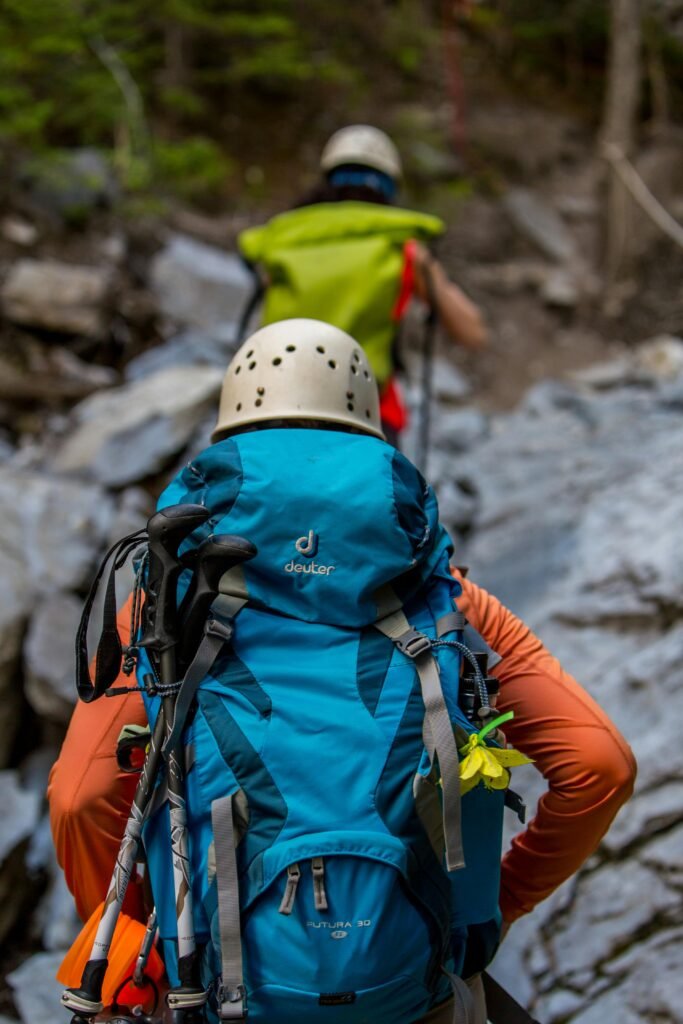
Besides your travel essentials, this should be the next thing in your suitcase. Rain is usually a given and even so many areas of NZ can remain wet for long periods of time. If you plan on going on any pelagics, this is an essential.
Hiking Shoes
You’ll likely be doing a lot of off-roading, and having a durable pair of hiking shoes is well worth the bring. While I would lean towards saying that waterproof shoes are the better choice, but honestly either really works here. If you’re coming to visit during the fall/winter time, then I would likely recommend the waterproof more.
Layers
This is something that is in my essentials for any birding trip, but it bears noting here. In many places in NZ, especially places on the coast or mountains, the temperature can change dramatically in short periods of time. Having extra layers for warmth is always a smart idea, as this is less of an “if” and more of a “when”.
Travel Details
These are just meant to be some details to consider when you travel in New Zealand. Topics like currency, etiquette, and little things that you might want to know.
Money
As I’m sure you’ve guessed, the currency of New Zealand is the New Zealand dollar (NZD). ATMs are pretty common, and are the best option for getting a fair rate on currency conversion (unless your home bank charges significant international ATM fees). That being said, unless you’re in rural areas, New Zealand is a fairly card-friendly country. Having a debit/credit card with zero international fees is a great option to have, and then you can pull out cash to use in more niche cases. One of these niche cases in particular is camp sites, which often have a lockbox that you use to pay for your stay, and they only take cash. Compared to places like the U.S., tipping culture is not big here. Generally, the price you see is the price you pay, so there’s no extra taxes and tips added onto any services or products besides their listed price.
Language
New Zealand actually has 3 official languages: English, te reo Māori, and New Zealand Sign Language. That being said, English is the most spoken language. However, you will find many signs and government-regulated text you come across to have both English and Māori translations. In large cities, sometimes you can find translations for more common languages as well. For efficient travel, if you are not an English speaker, learning basic phrases will help to communicate and get you around. Since New Zealand is a very multicultural place, usually there are people that could help if you’re having trouble.
Etiquette
Kiwi culture is not a very rigid society built on a ton of rules, but there is one thing I would particularly like to hone in on: respect. This works in several different ways. One of the biggest is respect for different culture, particularly Māori culture. If you’re not used to Polynesian culture, then talk to people and learn! The Māori are incredibly friendly and if you are interested and show respect for their culture, they’ll teach you about it. You’ll see infographics in lots of places about the Māori history of that area and the cultural significance, so take the time to read and learn!
Tech
First off, the outlets in New Zealand are type I, the same as Australia. If you’re not coming from a country that uses this plug type, than I would highly recommend buying one before you leave for your trip. If you aren’t able to, stores like The Warehouse, PB Tech, and some larger supermarkets will have them available.
As for getting service on your phone, you have a couple options. Before getting something like an eSim, check and see if your plan has a good international option so that you can get data at a better rate without having to pay more. That being said, sims and eSims are a good option (depending on what your phone supports). If you prefer the physical sim route, companies like One NZ and Spark often have kiosks in the airports to get a physical sim, while companies like 2degrees and Skinny Mobile can sometimes be better budget options. If your phone supports dual sim, I would potentially recommend Rocket Mobile as well if you plan to stay at least a month, as their plans are very affordable and you can buy an eSim within minutes (no contract required).
Hotspots
New Zealand may be isolated in the South Pacific, but for birders, that isolation has led to something extraordinary: a land teeming with endemic species found nowhere else on Earth. From rugged alpine slopes and dense temperate rainforests to wind-swept coastlines and predator-free offshore islands, New Zealand offers a wide variety of habitats that each hold their own birding treasures. While its overall species count may not rival tropical destinations, the uniqueness of the bird life here is unparalleled, shaped by millions of years of geographic isolation.
This guide explores some of the most rewarding birding hotspots across Aotearoa, from the ancient forests of the North Island to the dramatic fjords and subalpine lakes of the South. Not to mention Stewart Island. Whether you’re searching for elusive kiwi by torchlight, scanning beaches for shorebirds, or cruising offshore for seabird spectacles, these destinations are the best places to experience New Zealand’s feathered wonders. With a little planning, you can immerse yourself in some of the rarest and most iconic birding experiences in the world.
What are the best times to go?
New Zealand goes through the standard four season period, but because many of the species are endemic, this doesn’t change whether they are present are not. What it can do though is change how easy it is to find them. For those in the northern hemisphere, do remember that the seasons are reversed! I’ve included the approximate months of each season.
Spring (September - November)
- Weather
Spring starts cool and wet, especially in September, but quickly transitions to milder temperatures and increasing sunshine. Expect highs between 15–22°C (59–72°F) by late November. The landscape comes alive with blooming flowers and lush greenery, though sudden cold snaps are still possible.
- Birding Highlights
This is a dynamic time for birding, with courtship displays, territorial singing, and early nesting underway. Endemic forest birds like the Fantail and Rifleman become very active, and you might hear the haunting call of the Kokako in certain sanctuaries. Migrants such as Long-tailed Cuckoos return from the Pacific, and seabird colonies start to bustle with activity.
- Tourism Activity
Spring is another shoulder season, offering a great balance of good weather and manageable crowds. It’s an ideal time to visit bird sanctuaries and national parks before the summer rush. Pricing is often more affordable, and trail access generally improves as snow melts from higher elevations.
Summer (December - February)
- Weather
Summer in New Zealand is warm, sunny, and generally mild, with average highs ranging from 20–30°C/68–86°F depending on the region. Coastal areas and the South Island’s mountains can be cooler, while the North Island tends to be more humid. Rain is less frequent, though occasional storms or heatwaves can occur.
- Birding Highlights
This is the prime breeding season for many native species, particularly shorebirds and seabirds. Look for nesting New Zealand Dotterels and Variable Oystercatchers along the coast, while Buller’s and Salvin’s Albatrosses soar offshore. Forest species like the Tūī, Kākā, and Bellbird are especially active, and you may spot fledglings learning to fly. Pelagic birding trips during this time are great, offering encounters with a variety of shearwaters and petrels.
- Tourism Activity
Summer is peak travel season for both domestic and international visitors. Accommodations, transport, and popular destinations can get busy, especially around Christmas and school holidays. Booking in advance is essential, and prices may be at their highest. However, longer daylight hours and good road conditions make it one of the most convenient seasons to explore the country.
Autumn (March - May)
- Weather
Autumn is generally mild and settled, with fewer crowds and beautiful fall foliage in many regions. Temperatures begin to drop, averaging 14–22°C/57–72°F, but the weather remains pleasant and often less humid than summer. Occasional rain becomes more common toward May.
- Birding Highlights
As the breeding season ends, birds begin dispersing, making it a transitional but still productive time. Migratory shorebirds like Bar-tailed Godwits begin their epic journeys northward, and forest birds are still fairly active. It’s a good time to explore predator-free sanctuaries, where you might encounter rarities like Hihi. On the South Island, you may spot Kea or South Island Wren in higher elevations before winter sets in.
- Tourism Activity
This is a shoulder season, offering fewer crowds and more availability for accommodations and rental cars. Prices begin to drop, and many areas remain easily accessible. It’s a great time for travelers looking to avoid the rush while still enjoying comfortable conditions.
Winter (June - August)
- Weather
Winter brings cooler temperatures, especially in the South Island where snow is common in alpine areas. The North Island remains more temperate, with highs around 10–15°C (50–59°F). Rainfall is frequent in some regions, particularly on the west coast. Roads in higher elevations may experience closures due to snow or ice.
- Birding Highlights
Winter can be a quieter season for birding, but it still holds rewards. Many species are more concentrated and easier to locate, especially in coastal and lowland areas. Seabird activity remains strong — including opportunities to see Royal Albatross and other pelagic species. This is also the best season for spotting Kiwi, as they are more active during long nights.
- Tourism Activity
Tourism slows significantly, except in ski resort areas like Queenstown and Wanaka. You’ll find fewer travelers, better rates, and a more relaxed pace. It’s a great time for birders looking to escape crowds — just be prepared for shorter days and occasional weather disruptions.
Transportation
New Zealand offers a variety of ways to get around. While a driving-based country, that is not the only option. Getting creative with options like ferries can also offer great bird-based options that will help you cross of some lifers while also getting from point A to B.
Guides, Tours, and Experiences
Below is a list that has been currently compiled of national, regional, and hotspot-specific guides and tours that you can look more into. This is by no means an exhaustive list, I will continuously be adding to it. If you have any suggestions, I’d love to here them! Each will include a bit about them and the hotspots/parts of the country they service. Feel free to click on each of those hotspots to get a better idea of that area.
I would also check out the NZ Department of Conservation and Birding New Zealand, as they have very good lists of many guides being offered. In my opinion, local is the best way to go, so here I will try to highlight local, Kiwi-owned and organized guides and tours.
National Level Guides & Tours
Wrybill Birding Tours, NZ
Wrybill Birding Tours NZ is one of the country’s most established birding tour operators. They specialize in small-group and private tours, offering everything from single-day outings near Auckland to multi-week trips that cover both islands. They typically run 3 week trips for several people at a time that run through both main islands and Stewart island. These trips can be highly customizable and variable, so I would check their website to get the best idea of costs on your end. Their itineraries are tailored for birders targeting New Zealand’s endemics and specialties, with excellent chances to see rarities like kiwi, Kōkako, Stitchbird, and, of course, the namesake Wrybill. The tours are designed for both international visitors and local birders, with a strong focus on expert guiding, logistics, and maximizing birding opportunities. Visit their website here!
Regions serviced: North Island, South Island, Stewart Island
Nature Quest New Zealand
Nature Quest is one of New Zealand’s leading eco-tour operators, known for its expertise in natural history and conservation-focused travel. The company offers custom birding tours across the country, as well as broader nature, botany, and wildlife itineraries. Nature Quest runs multi-day tours, and are also very customizable depending on the species you are looking for. They offer different options such as fully guided, partially guided or even just itineraries for those who want to self drive. Their birding trips are designed for all levels, from casual wildlife enthusiasts to dedicated listers seeking New Zealand’s endemics. With deep connections to conservation projects and local experts, Nature Quest provides not only excellent chances to see target species, but also insight into the habitats and efforts that protect them. Visit their website here!
Regions serviced: North Island, South Island, Stewart Island
North Island Guides & Tours
The Petrel Station
The Petrel Station operates out of the Tutukaka Marina and offer full-day pelagic tours around the Poor Knights Islands Marine Reserve. Run by Scott Brooks, this tour to date has recorded almost 70 different species and regularly sees many different species of seabirds, including being one of the best places to see the rare New Zealand Storm-Petrel. Tours currently go for NZ $375. Visit the Petrel Station website here to see upcoming tours, learn more about the birds of the area and what you could see, and lots of other great information!
Hotspots serviced: Poor Knights Island Marine Reserve
Tiritiri Matangi Island
The island offers their own guided walks, which can be customized to tailor your experience. However, you will need to email the island ahead of time for one of the more customized tours. The typical walks are otherwise generic walks around the island. These are typically booked the same time that you book your ferry tickets. These cost NZ $10 per adult and NZ $2.50 for kids if you’re booking them with your ferry tickets. Visit the sanctuary website here and learn more about the guided tours here!
Hotspots serviced: Tiritiri Matangi Island
The Pūkorokoro Shorebird Centre
The Pūkorokoro Shorebird Centre offers their own tours which you can book directly on their website. Typical tours last for 90 minutes and cost NZ $50 per adult and NZ $30 per child (infants excluded). If you don’t have your own scope, something that is pretty necessary for viewing shorebirds, they will bring one along that you will be able to use. Be prepared for lots of walking and talking and learning as much as you can about the area! Tours are not offered every day, so be sure to look in advance and find a day that works for you. Visit the sanctuary website here and learn more about the guided tours here!
Hotspots serviced: The Pūkorokoro Shorebird Centre
Sanctuary Mountain Maungatautari
The sanctuary offers many different types of guides and tours, from standard walks to night explorations. Do note that the Takahē family that lives in the sanctuary are in a separate enclosure that is only accessible by guided tour. This tour costs NZ $68.50 per adult and NZ $34.50 per child, and also includes the general admission pass. If you would like to see them, this is the only option. Visit the sanctuary website here and learn more about the guided tours here!
Hotspots serviced: Sanctuary Mountain Maungatautari
Zealandia Te Māra a Tāne
Zealandia provides a very large range of guided tours. These operate in different times of the day, such as dawn and night tours, along with niche tour options like kid’s tours and photography-focused tours. You can also request your own private tours. Visit the sanctuary website here and learn more about the guided tours here!
Hotspots serviced: Zealandia
South Island Guides & Tours
Brook Waimārama Sanctuary
The Brook Waimārama Sanctuary offers guided walks that bring the lush native forest and birdlife to life through the knowledge of local guides. Tours highlight the sanctuary’s conservation work, reintroduction of native species, and the unique ecology protected within its predator-proof fence. Visit the sanctuary website here and learn more about the guided tours here!
Hotspots serviced: Brook Waimārama Sanctuary
Albatross Encounter
Albatross Encounter provides one of New Zealand’s most accessible opportunities to see multiple species of albatross and other seabirds up close. Departing from Kaikōura, their small-boat tours give opportunity for close views and quality photography. Visit the website here and learn more about the tours here!
Hotspots serviced: Kaikōura
Orokonui Ecosanctuary
Guided tours at Orokonui Ecosanctuary are led by passionate naturalists who share the stories of the sanctuary’s birdlife, native plants, and conservation successes. Visitors benefit from spotting secretive species while learning about the restoration of this predator-free forest. Special tours can also highlight rarer flora and cultural history tied to the landscape. Visit the sanctuary website here and learn more about the guided tours here!
Hotspots serviced: Orokonui Ecosanctuary
Royal Albatross Centre
At the Royal Albatross Centre on the Otago Peninsula, visitors can join guided tours to view the world’s only mainland breeding colony of Northern Royal Albatross. The tours offer exclusive access to viewing hides above the nesting grounds, where guides explain the biology, behavior, and conservation of these remarkable seabirds. Visit the centre website here and learn more about the guided tours here!
Hotspots serviced: Taiaroa Head
Blue Penguins Pukekura
Blue Penguins Pukekura runs evening tours that showcase the nightly return of little blue penguins from the sea to their burrows. Guides provide insight into the species’ biology and conservation, with seating positioned for close but unobtrusive viewing. The experience is co-managed with local Māori, meaning visitors also gain cultural context alongside the natural history of the world’s smallest penguin. Visit their website here and learn more about the guided tours here!
Hotspots serviced: Taiaroa Head
Monarch Wildlife Cruises & Tours
Monarch Wildlife Cruises take guests along the Otago Peninsula by sea, where guides interpret the diverse marine and birdlife found around Taiaroa Head. From fur seals to royal albatrosses, and often dolphins or sea lions, the guides provide both ecological detail and engaging commentary. Land-based tours can be combined with cruises for a full natural history experience of the peninsula. Visit their website and learn more about the guided tours here!
Hotspots serviced: Taiaroa Head
RealNZ
RealNZ operates a variety of guided cruises and tours in Fiordland and Stewart Island, ranging from day trips in Milford and Doubtful Sound to multi-day voyages. Their guides provide historical, cultural, and ecological interpretation, helping visitors understand the region’s unique bird and marine life. RealNZ has a strong conservation mission and works closely with DOC, making their tours both informative and environmentally conscious. Visit their website here and learn more about the guided tours here!
Hotspots serviced: Fiordlands National Park
Fiordland Expeditions
Fiordland Expeditions specializes in small-group overnight cruises through Fiordland’s secluded waterways. With knowledgeable guides and crew, trips balance relaxation with discovery, offering opportunities to spot seabirds, penguins, and forest species along the shoreline. The intimate setting means guests benefit from personalized guiding while enjoying one of the most untouched ecosystems in New Zealand. Visit their website and learn more about the tours here!
Hotspots serviced: Fiordlands National Park
Birding Resources
Books
The Field Guide to the Birds of New Zealand (fourth revised edition) — Barrie Heather & Hugh Robertson
For the heavy-duty birder that is willing to sacrifice some luggage weight, this 400 page book will tell you all you need and more.
The Hand Guide to the Birds of New Zealand — Barrie Heather & Hugh Robertson
Like the previous entry but can’t commit to a beefy book? This might be a better option, meant for those on the go.
Birds of New Zealand: A Photographic Guide — Paul Scofield and Brent Stephenson
For my visual learners, this could be a great option. However, this falls into the same issue of being very heavy-duty at 500 pages.
Oceanic Birds of the World: A Photo Guide — Kirk Zufelt and Steve N. G. Howell
In my opinion, seabirds are one of the harder groups to identify in New Zealand. This is one of the best guides I’ve ever come across when it comes to seabird identification. Seeing as this book is international, picking it up can also come in handy for future travels. I do have to let you know that, again, this is a heavy book, so take that into consideration.
Apps
Bird Nerd
Think Merlin, but for specifically New Zealand birds. Sound ID is still in beta testing, so currently questionnaire and photo identification are what will help you narrow down species. This app is free and available on the Apple App store, but not Android.
Birds of New Zealand
The digitized form of the Birds of New Zealand: A Photographic Guide by Paul Scofield and Brent Stephenson. If you want easy and offline access to lots of detailed information, this is a great option. This one is not free though, costing NZ $49.99 and available on both Apple and Android.
Merlin Bird ID
The classic. Photo and questionnaire ID work, but sound ID is a bit to be desired. It works well for many introduced species, but not as well for native species. This app is free and available on Apple and Android.
Websites
One of the better online resources for identification and learning more about the species of Aotearoa New Zealand. It is kept up to date and includes features such as photographs, field marks, distribution, and more.
The NZ DOC has many resources dedicated to all the bird species living in New Zealand. While this doesn’t include as much of the same identification-specific resources, it includes many resources on conservation of NZ species, current research, and very importantly, how to interact with many of these species.
eBird is a great resource that can include recent sightings and maps of all the species in the world, and can help give you a baseline of what species to expect and at what times.
Birds New Zealand is the country’s national ornithological society, bringing together birdwatchers and researchers alike. For travelers, it’s a great resource to learn about local birdlife, connect with guided outings or regional groups, and stay updated on the latest birding news and events across New Zealand.
Fatbirder’s New Zealand page serves as a birding directory to connect travelers with local clubs, trip reports, and key resources to help plan a birdwatching journey through Aotearoa. It’s a great start for birders seeking practical links and insights before exploring the country’s diverse habitats.
The official tourism site, NewZealand.com, offers an entry-level overview of birdwatching in Aotearoa, highlighting a few major birding locations and experiences. It serves as an introduction for visitors looking to combine birding with wider travel experiences in New Zealand.
Related Pages
Explore more guides & stories

Plan your birding trip to New Zealand
Whether you’re hoping to tick off every endemic or just soak up Aotearoa’s stunning nature, birding here is a one-of-a-kind experience.
- Ready to plan your birding trip?
Visit the Travel Resources page for everything I use to book and prepare my own adventures.
- Need help planning your itinerary?
Send me a message at keane@borderlessbirding.com!
- Get travel updates and tips straight to your inbox!
Join the Borderless Birding newsletter — it’s free!