South Island Hotspots
Last updated September 8th, 2025
The South Island of New Zealand is renowned for its dramatic landscapes and equally diverse birdlife. From the rugged Southern Alps and glacier-fed rivers to the windswept coasts and temperate rainforests, the island’s ecosystems support a mix of endemic specialties and globally significant seabird populations. Less densely populated than the North Island, the South Island provides more expansive wilderness areas, making it especially attractive for birders seeking both rare encounters and spectacular scenery.
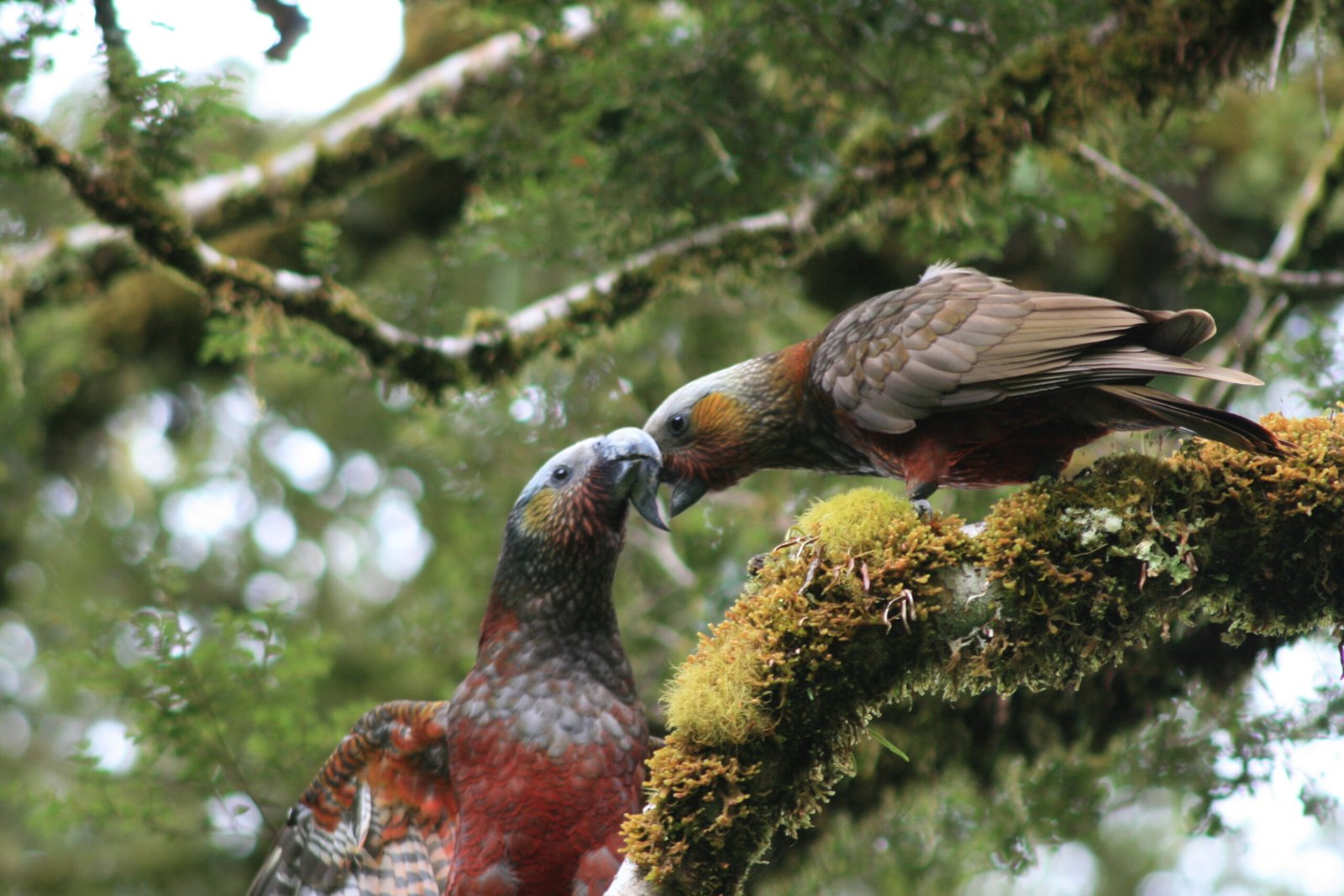
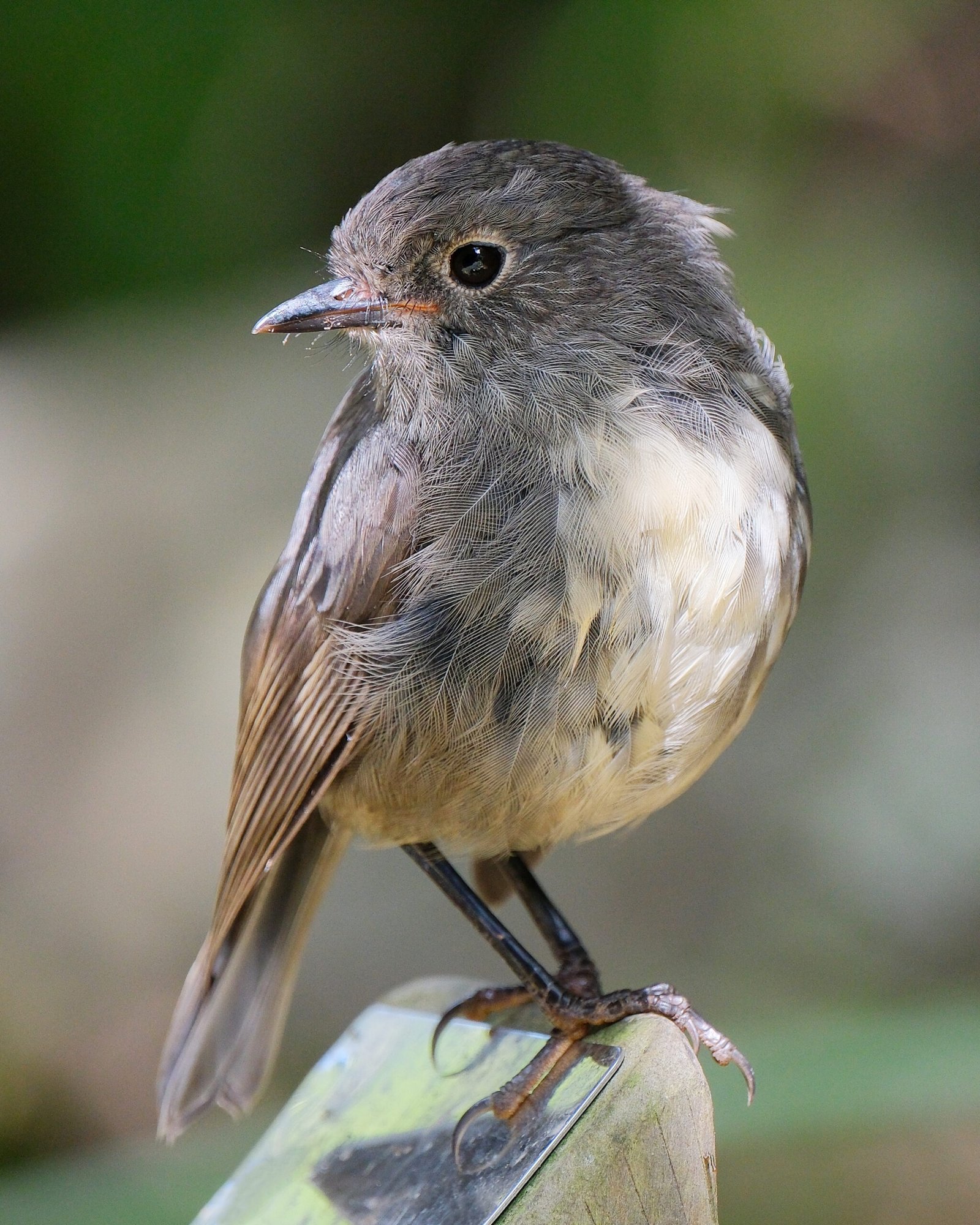
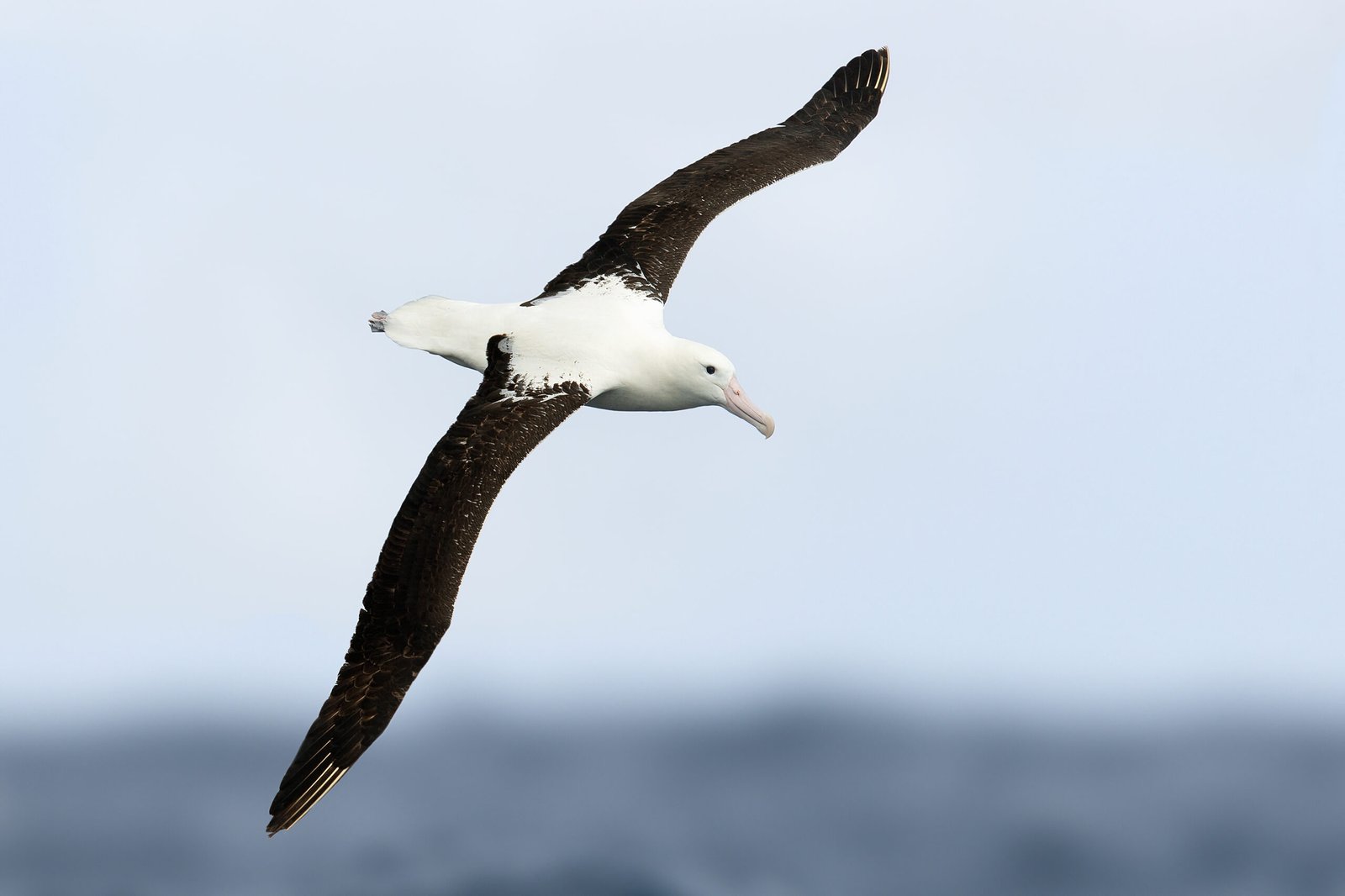
The South Island is the stronghold for several of New Zealand’s most iconic species. Forests and alpine areas hold the charismatic Kea, Great Spotted Kiwi, and South Island Robin, while braided river systems are the only breeding grounds for Black-fronted Terns and the critically endangered Black Stilt. The coasts and offshore islands host colonies of Little Penguins, Sooty Shearwaters, and Royal Albatross, the latter most famously seen at Taiaroa Head near Dunedin, the only mainland albatross colony in the world.
Key birding hotspots include the Brook Waimārama Sanctuary (one of the main locations for Malherbe’s Parakeet), the Awarua Wetlands for coastal birding, and Fiordland for remote forest specialists. Offshore, Kaikōura is legendary for its close-up albatross and whale-watching tours. If you want to see the elusive Yellow-eyed Penguin, then take a quick trip to the Katiki Point Lighthouse! Together, these areas showcase the South Island’s reputation as one of the world’s most rewarding birding destinations, blending rare species with unforgettable landscapes.
Bird names are given in both English and Māori where applicable, reflecting their cultural significance and how they are commonly referred to in Aotearoa New Zealand.
Brook Waimārama Sanctuary
Nelson, Nelson Region, NZ
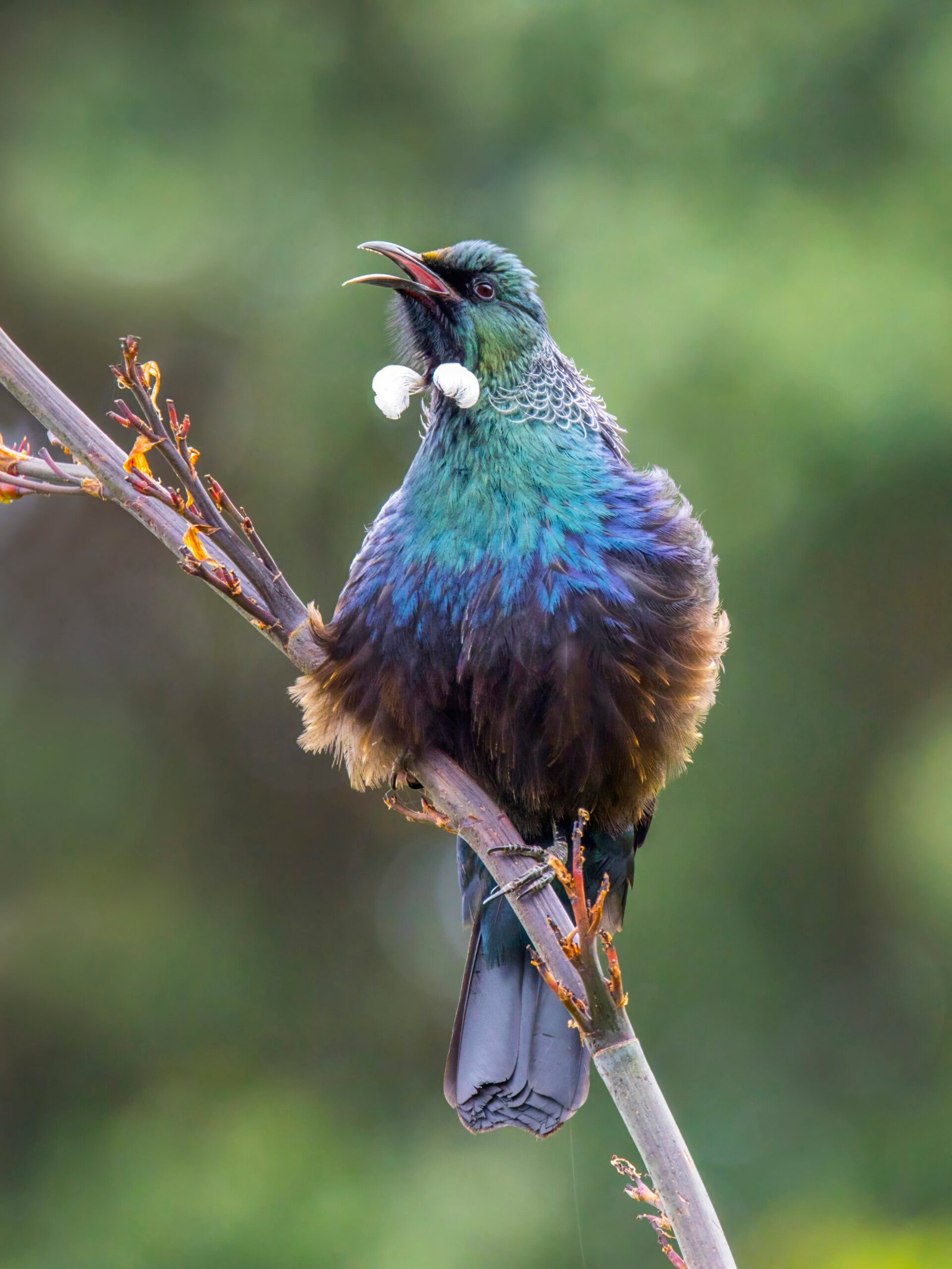
The Brook Waimārama Sanctuary is one of the South Island’s largest fenced ecosanctuaries, tucked just outside Nelson in a lush valley of regenerating native forest. Surrounded by a 14.4 km predator-proof fence, the sanctuary provides a safe haven for native birds such as Tūī, Korimako (bellbird), Pīwakawaka (fantail), and the occasional Tītipounamu (Rifleman), with ongoing efforts to reintroduce more rare species. Currently, the sanctuary has one of the most large and well-established populations of Kakariki karaka (Malherbe’s Parakeet), making it a key location for the conservation of this species. Well-formed walking tracks lead through peaceful bush filled with birdsong, and interpretive signs help visitors connect with the area’s ecology and conservation story.
Featured Birds
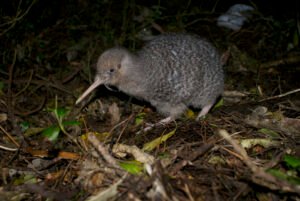
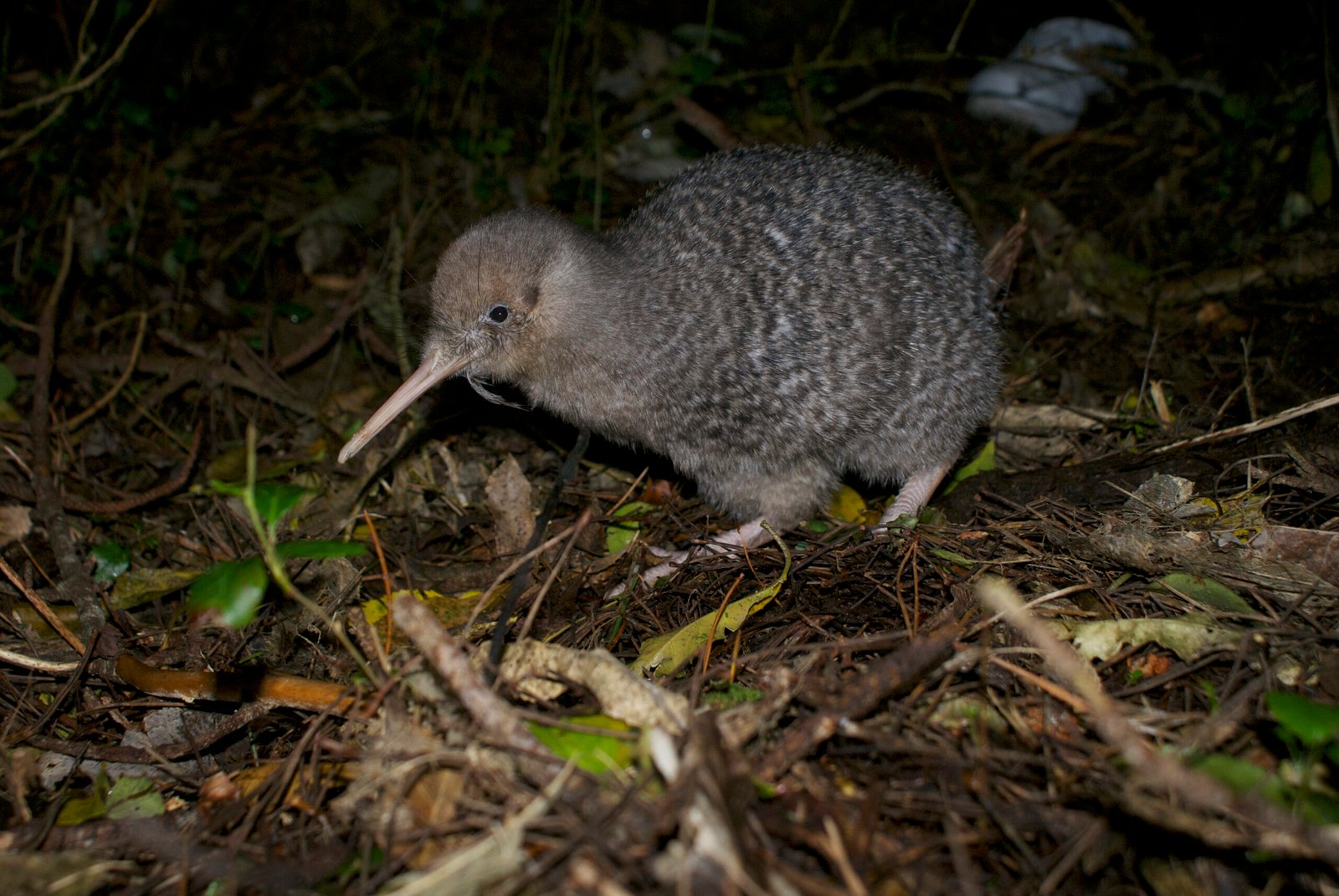
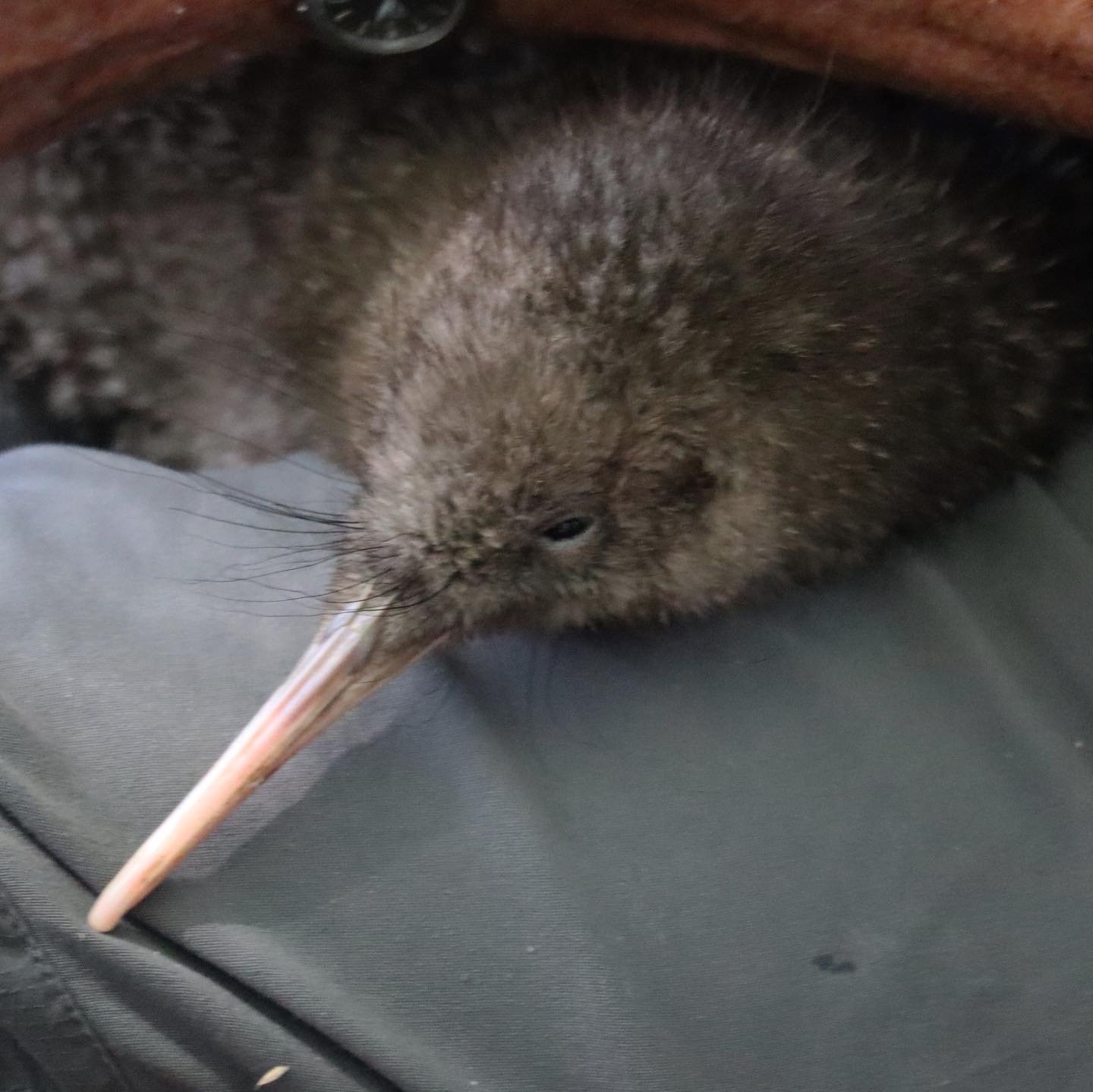
Little Spotted Kiwi/Kiwi pukupuku
© Kimberley Collins via Wikimedia Commons, used under CC BY‑SA 4.0
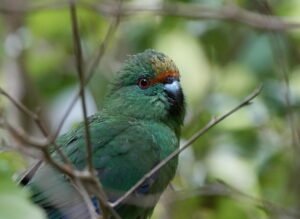
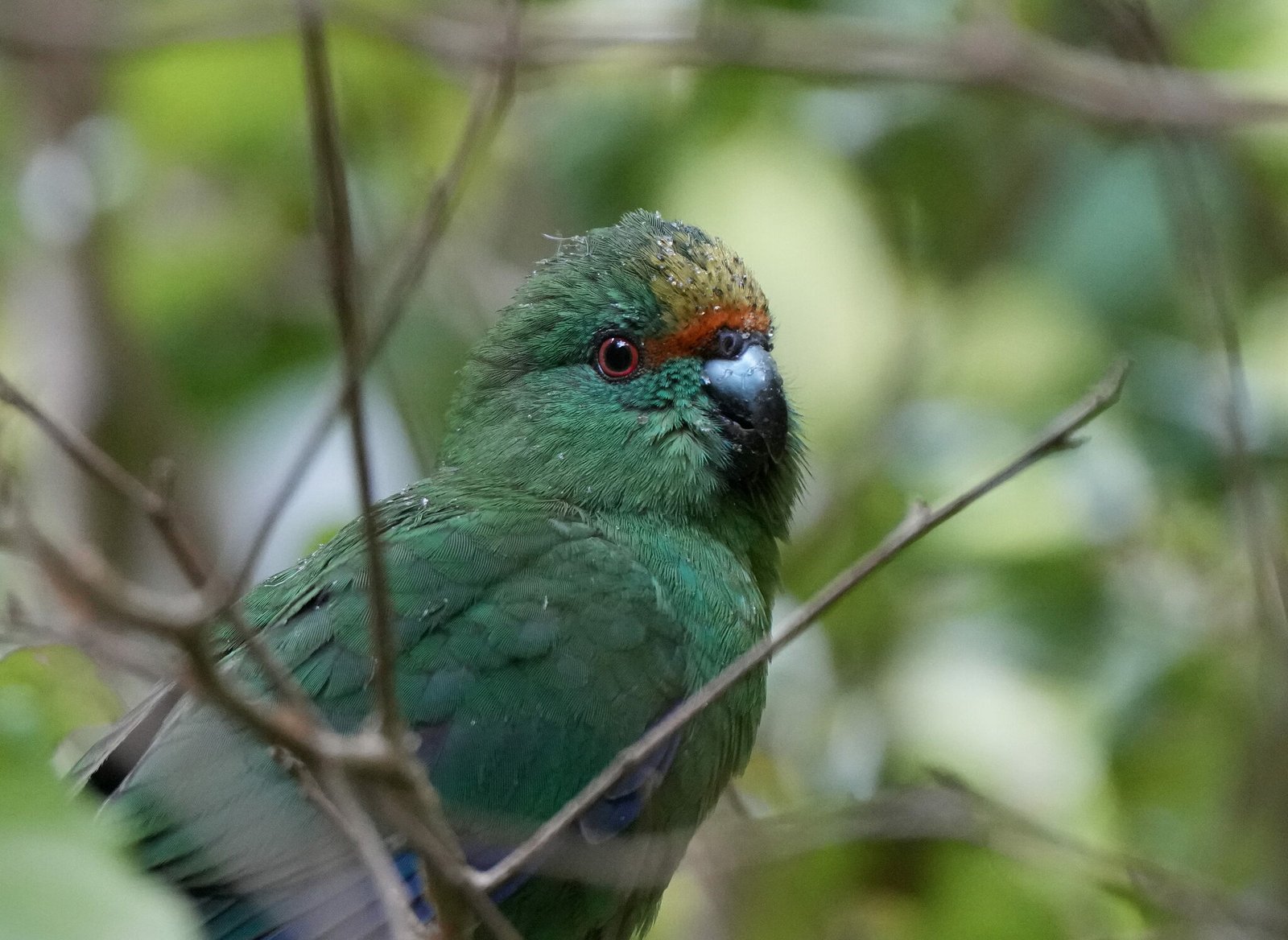
Malherbe’s Parakeet/Kākāriki karaka
© William Harland via iNaturalist, used under CC BY 4.0
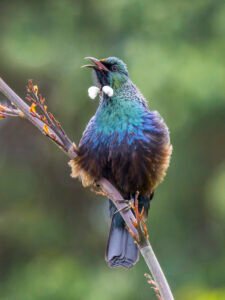
Tūī
© Charles Sharp via Wikimedia Commons, used under CC BY-SA 4.0
Costs
- General Admission — NZ $25 per adult, NZ $15 per child. Check out the most recent pricing here!
- Guided Tours
- Experiences
Accessibility
The Brook Waimārama Sanctuary offers a range of walking tracks, but accessibility varies depending on the route. The main visitor centre is wheelchair-friendly, with accessible parking, restrooms, and level entry. The Loop Track, located near the entrance, provides a relatively gentle gradient and compacted gravel surface suitable for most wheelchairs and mobility aids, though some sections may still be uneven. Beyond the loop, many trails involve steeper climbs, steps, and narrower paths, which may be challenging for those with limited mobility. Benches are placed at intervals for rest, and staff at the visitor centre can advise on the most suitable routes. Mobility scooters are permitted on appropriate tracks, and assistance dogs are welcome within the sanctuary.
Things to Know
Hours & Access
- The sanctuary is open Wednesday-Sunday 10:00am-4:00pm. Last entry is at 3:00pm.
Facilities
- There is a visitor centre, which can give insights about the sanctuary.
- There are restrooms located in the visitor centre, but none in the sanctuary itself.
Rules & Restrictions
- You need to carry out biosecurity checks before entering the sanctuary.
- Dogs are not allowed inside the sanctuary.
- Keep your distance from animals.
Safety
- Overall this is a very safe environment, just be careful of potentially loose gravel or slopes when walking.
Tips & Tricks
- If you can, try and get the band colors while spotting Kākāriki karaka! This is valuable information for the sanctuary. You can report these back at the visitor centre.
Guides & Tours
Getting there
Similarly to Zealandia, the sanctuary is right in the Nelson city area, so not only is a quick drive with a car but is also easily accessible through public transport. From the Nelson bus interchange it takes about 15 minutes, with a few minutes of walking from the stop to put you at the sanctuary gates. The local eBus system takes both cash and their bus card, the Bee Card.
Places to Stay
Staying in Nelson is really the best option, it really just depends how much you plan to prioritize visiting the sanctuary. If visiting the sanctuary is your main plan, the Brook Valley Holiday Reserve could be a great option as it’ll get you there quick and early. However, it could be worth it to find any place that’s comfortable to you in Nelson seeing as getting there by even public transportation is quite easy.
Brook Valley Holiday Reserve
Brook Valley Holiday Park is a peaceful, budget-friendly accommodation option nestled in a quiet, forested valley just minutes from central Nelson. Offering powered and non-powered sites, cabins, and basic facilities, it’s an ideal base for birders and nature lovers looking to explore the area without breaking the bank. The campground has a relaxed, rustic feel and is surrounded by native bush and birdsong, making it a great spot to unwind.
Most notably, the park sits just a short walk from the entrance to the Brook Waimārama Sanctuary, the South Island’s largest fenced ecosanctuary. This close proximity makes it one of the most convenient places to stay for early morning visits or extended exploration of the sanctuary’s forest tracks and birdlife.
Nelson
For those looking for a more comfortable stay, Nelson offers a wide range of accommodations. As a lively, sun-soaked city with excellent dining, local markets, and coastal scenery, it’s a great base for birders who want both convenience and creature comforts during their visit.
Despite its urban setting, Nelson is just a 10–15 minute drive from the Brook Waimārama Sanctuary, making it easy to combine city amenities with access to the sanctuary. Whether you’re planning a single-day visit or multiple outings to the sanctuary, staying in Nelson provides the best of both worlds: nature at your doorstep and a full range of services when you return.
Explore Accommodations
Kaikōura
Kaikōura, Canterbury Region, NZ
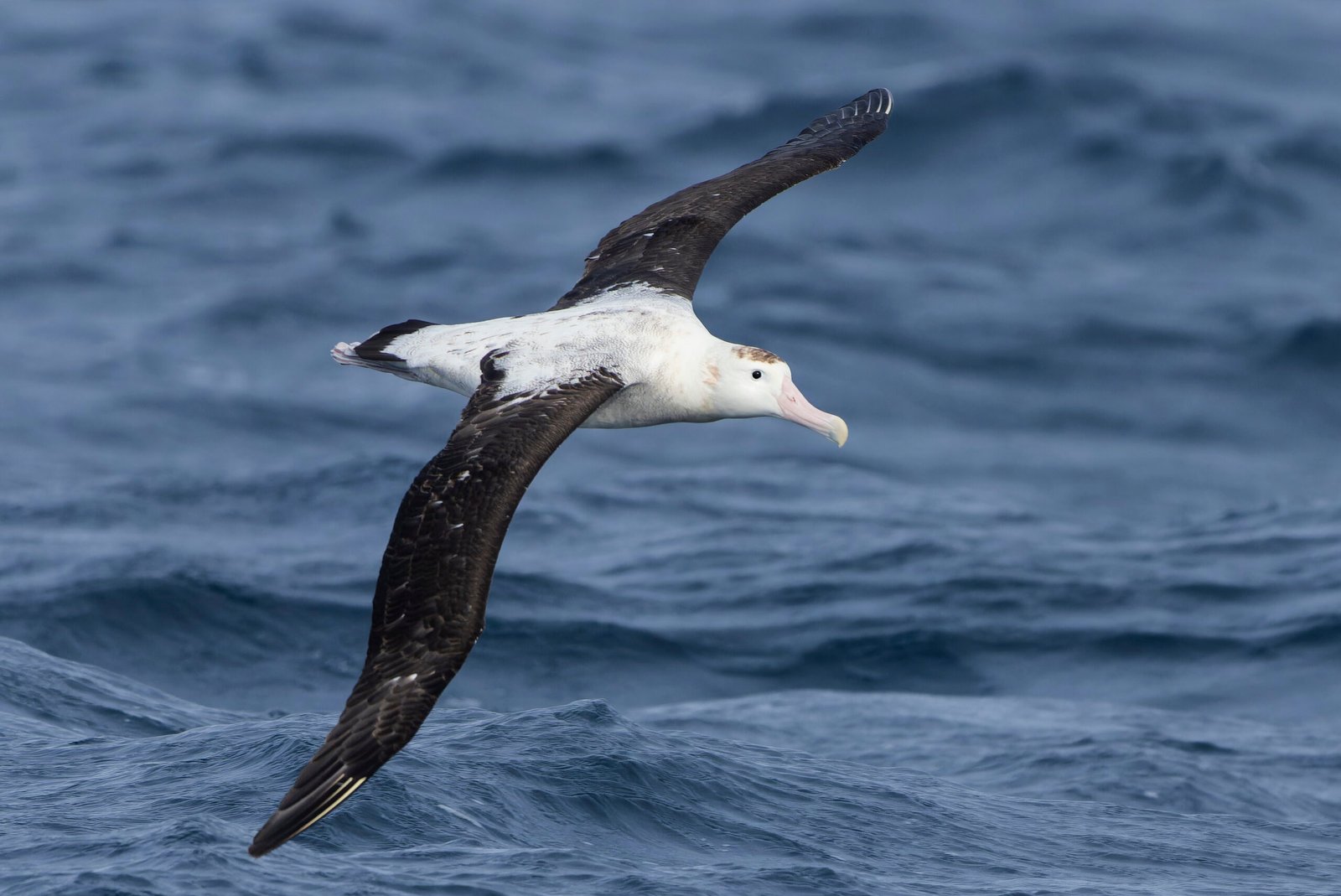
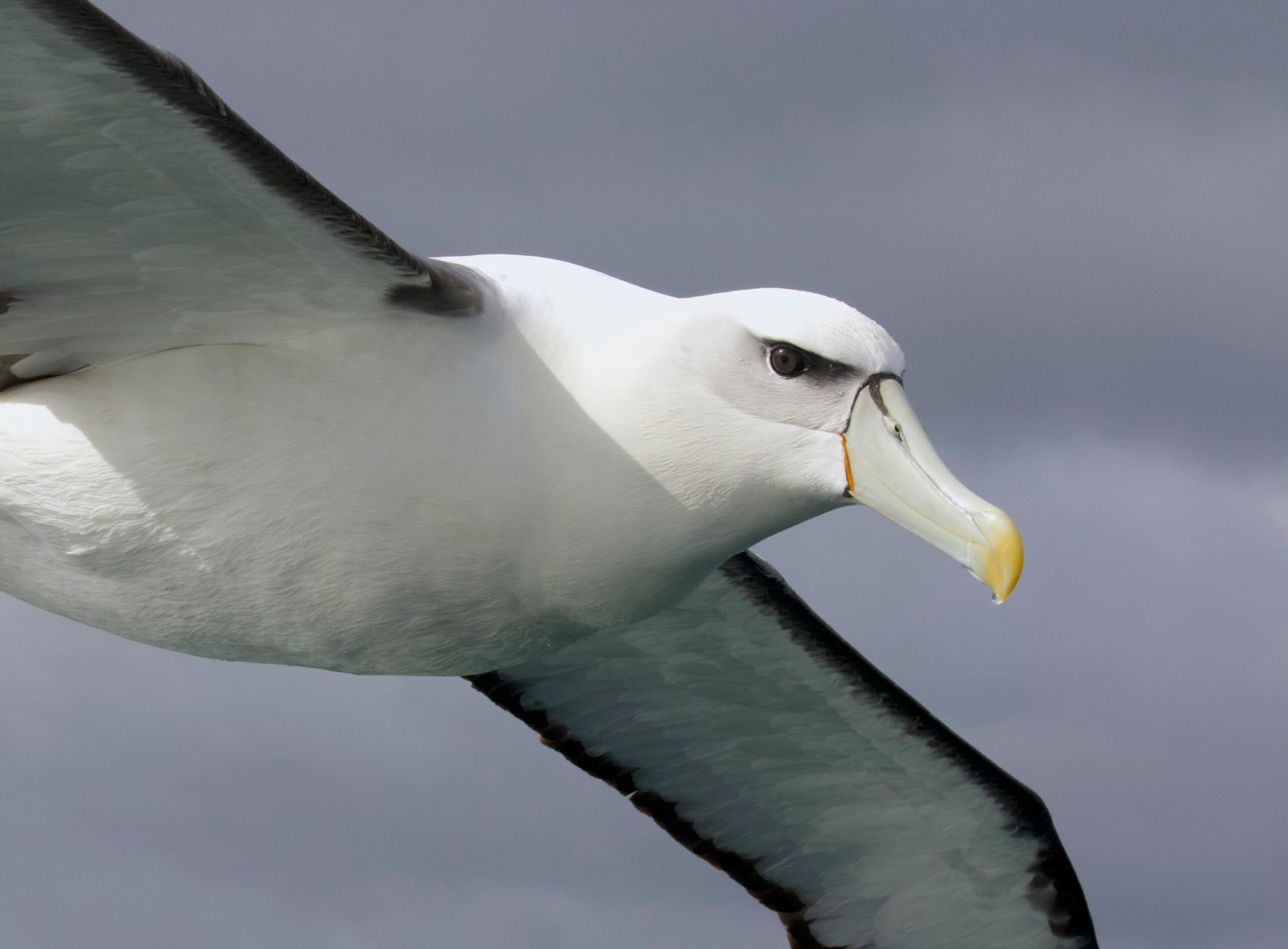
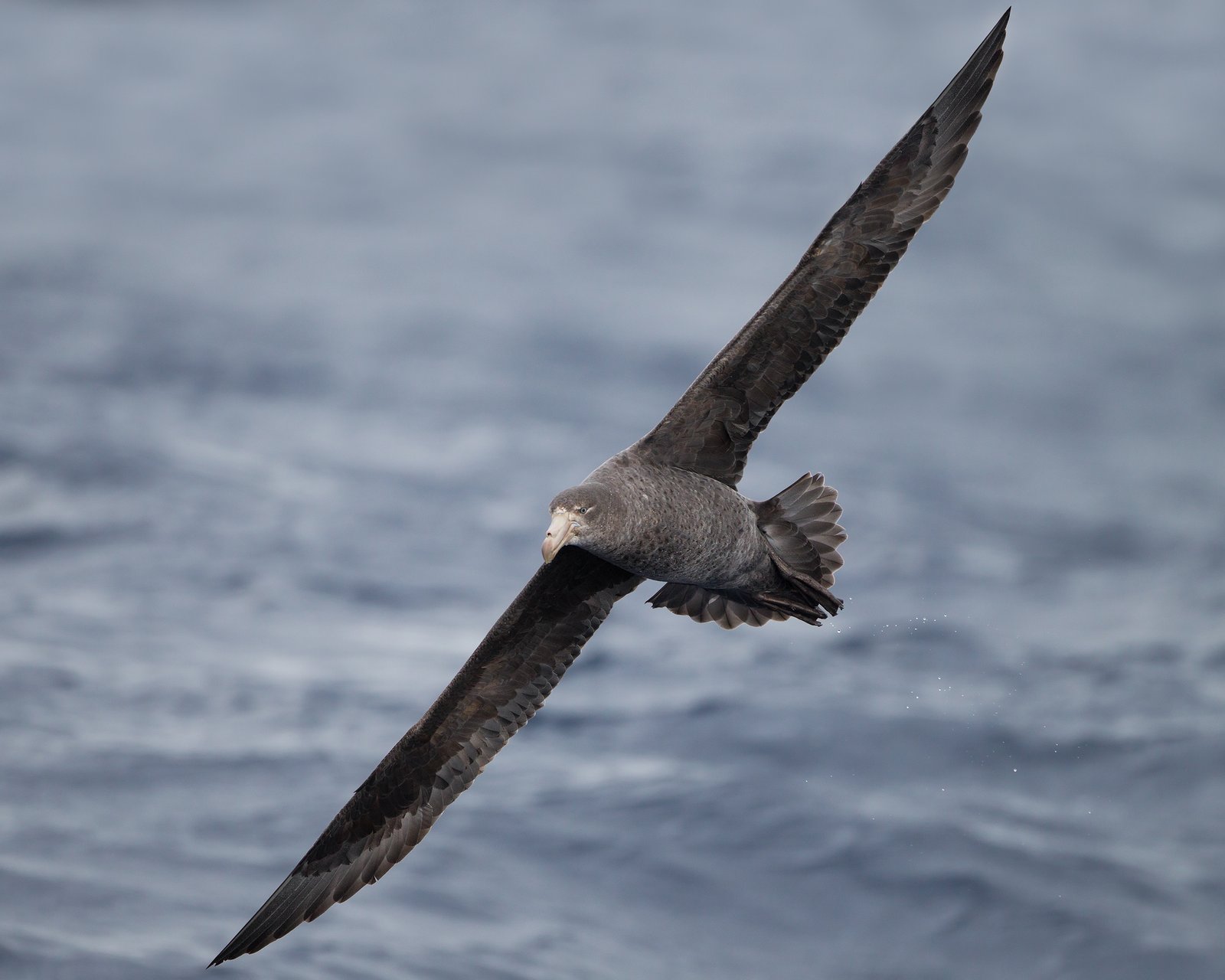
Kaikōura is one of New Zealand’s top coastal birding destinations, known for its dramatic scenery and exceptional seabird encounters. Thanks to the nearby deep-sea canyon, nutrient-rich waters attract an astonishing diversity of marine life, including not just several species of albatross, but many species of cetaceans. Pelagic trips offer a rare chance to observe wandering, royal, and Salvin’s albatrosses, often just meters from the boat. On land, the Kaikōura Peninsula Walkway offers sweeping ocean views and excellent coastal birding, with chances to spot species like Red-billed Gulls, Variable Oystercatchers, and White-fronted Terns, along with New Zealand fur seals lounging on the rocks. It’s a must-visit hotspot for seabird enthusiasts and shorebird lovers alike.
Featured Birds
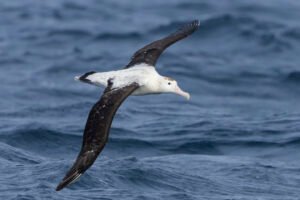
Antipodean Albatross/Toroa
© Oscar Thomas via Wikimedia Commons, used under CC BY‑SA 4.0
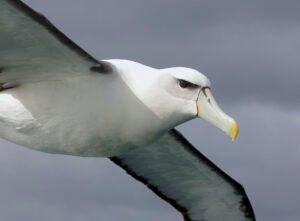
New Zealand White-capped Albatross/Toroa
© Gregory Smith via Flickr, used under CC BY-SA 2.0
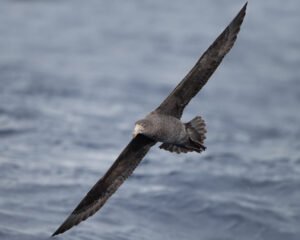
Northern Giant Petrel
© JJ Harrison via Wikimedia Commons, used under CC BY-SA 3.0
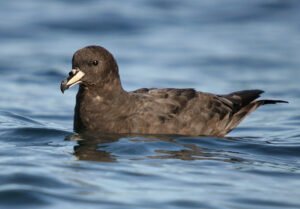
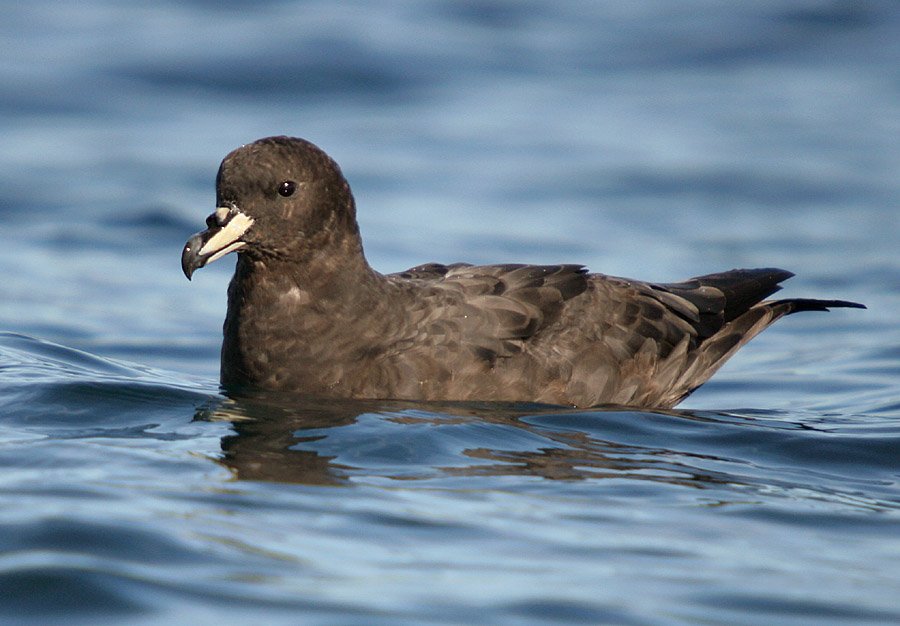
Westland Petrel/Tāiko
© Mark Jobling via Wikimedia Commons, used under public domain (CC0)
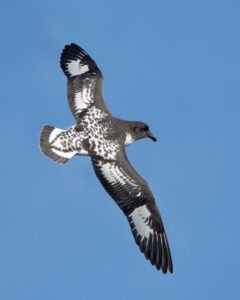
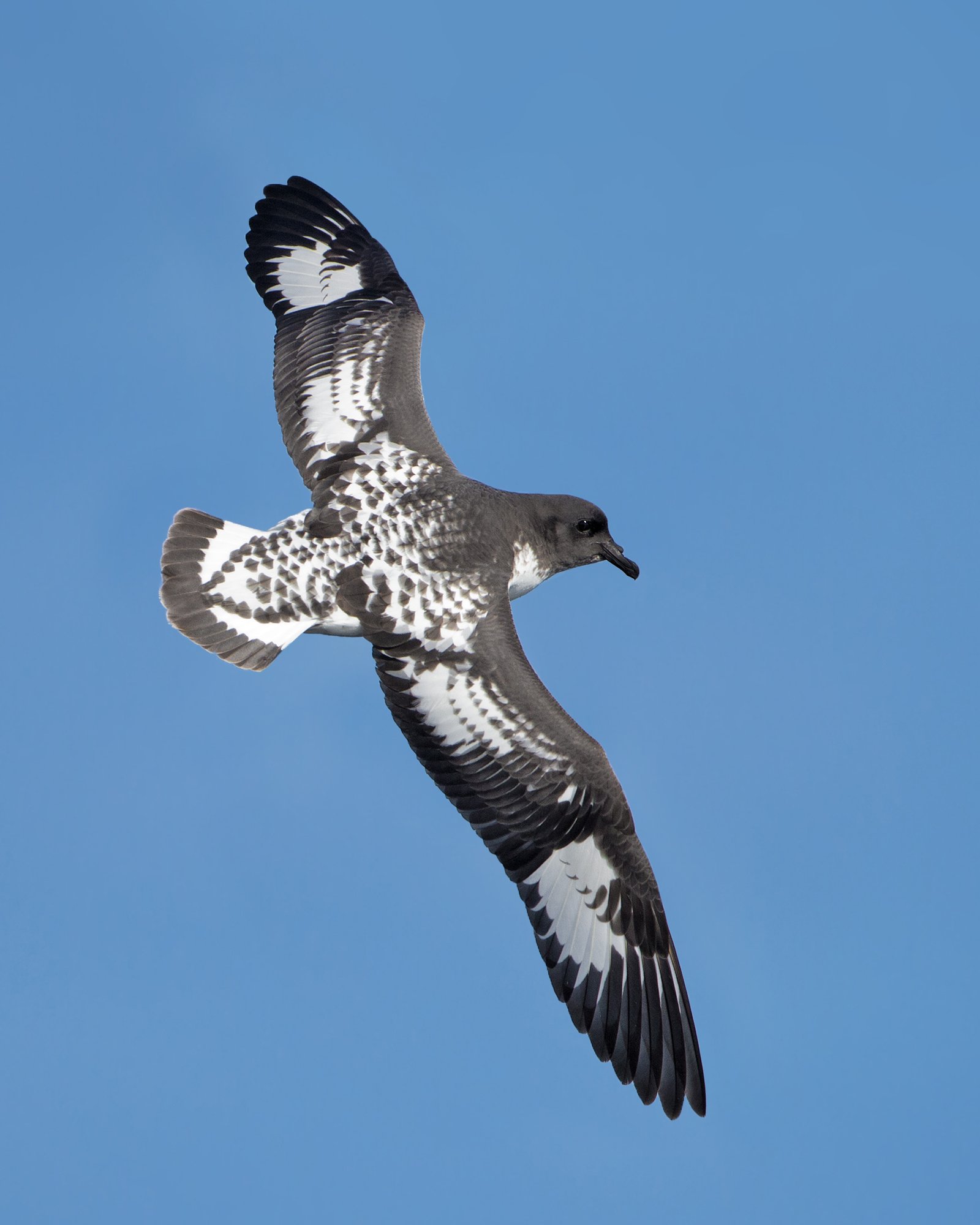
Pintando Petrel/Karetai hurukoko
© JJ Harrison via Wikimedia Commons, used under CC BY-SA 3.0
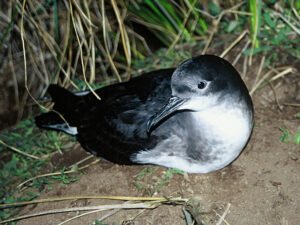
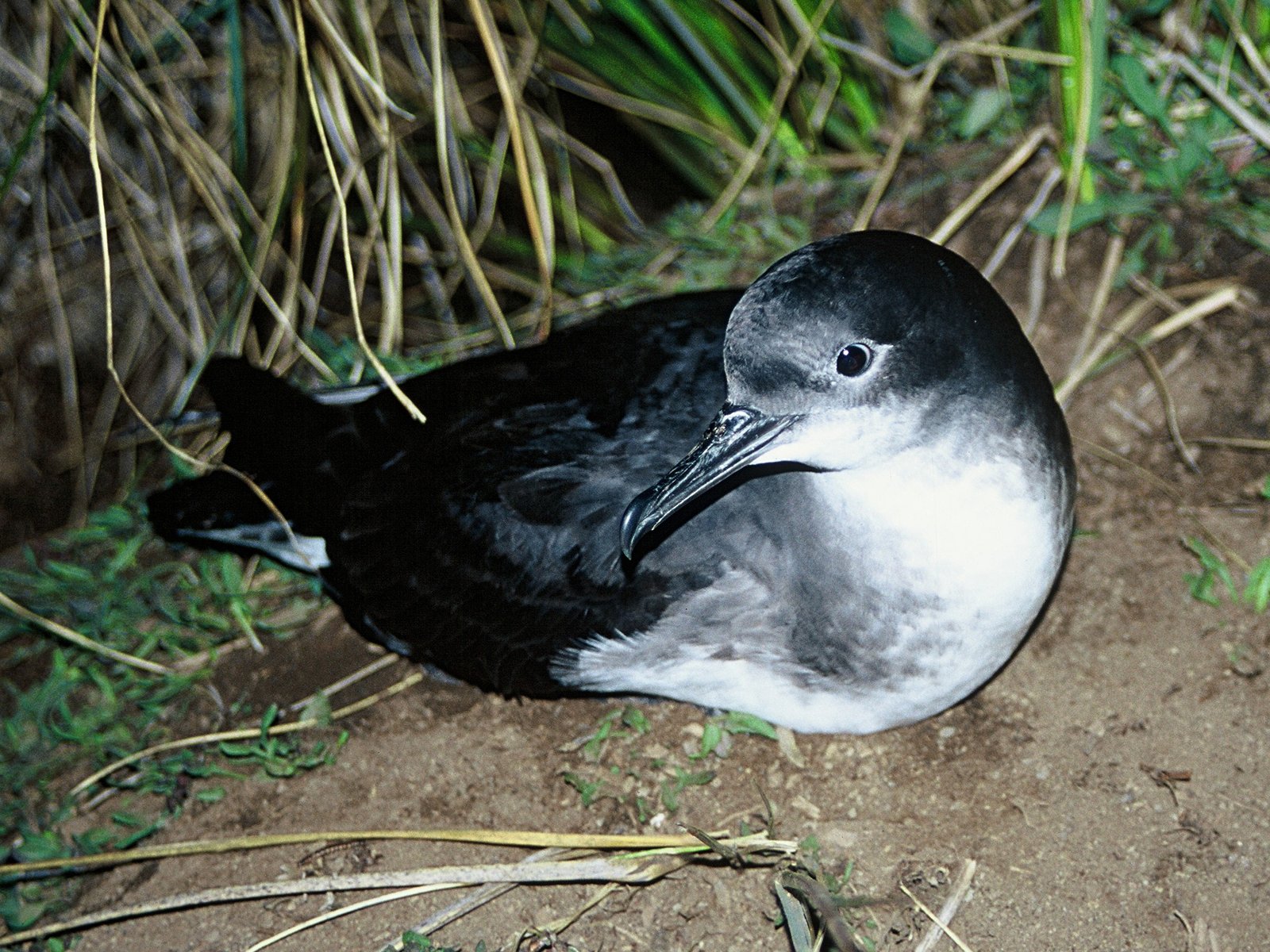
Hutton's Shearwater/Kaikōura tītī
© Department of Conservation via Wikimedia Commons, used under CC BY-SA 4.0
Costs
Required Costs
- If you would just like to explore the town and peninsula, technically there are no required costs.
Elective Costs
- Guided Tours/Pelagics
Accessibility
This depends on how active you plan to be. You can drive along and view the entire coastline yourself. However, if you want to walk out onto the peninsula you will need to have a degree of stability, as sometimes the rocks can be unstable and slippery. As for the pelagic trips, as a general rule they are unable to accommodate wheel chairs, however they are able to accommodate passengers who are unable to sit unaided. If you require accommodation, reach out ahead of time and let them know what you require. You read more information here.
Things to Know
Hours & Access
- Pelagic tours are available at different points of the day, depending on the season. During the summer, typically 3 are run a day compared to 1 during winter. The time period will also change with day time.
Facilities
- While the boat does have a marine toilet, it’s best to go before you leave, assuming you are going on the standard 2-2.5 hour trip.
Rules & Restrictions
- You must keep at least 20 meters from NZ fur seals.
- No feeding of any animals there.
Safety
- You will likely be on a boat, so be sure to listen as captains will go over safety on the boat beforehand. For extra reading, visit the DOC’s page on water and boat safety here!
Tips & Tricks
- Study your albatross! Both mollymawks and great albatross can be confusing, so make sure to familiarize yourself beforehand.
- As you’re likely going to be using binoculars or a camera on a boat, one guideline to always follow is to make sure you are stable before putting anything up to your eyes. Do not lean on the edge of the boat to do this, as if you’re not paying attention you could fall overboard.
- Bring lots of lens cloths! You’ll likely get a good amount of salt water on your lenses, and this needs to be wiped off promptly, or you risk them getting scratched. It’ll also make seeing them easier.
- Don’t skip the peninsula! You may be able to see albatross and petrels without even hopping on a boat! Not to mention the decent chance of also seeing dolphins and NZ fur seals.
Guides & Tours
Getting there
So starting out, it’s quite easy to get to Kaikōura, and you can do so either by driving yourself or taking an Intercity Bus. How you get around the town is a bit trickier though unless you have your own car. While being a relatively small place, it’s bigger than you might think and there isn’t really a rideshare system outside of the Kaikōura Taxi service. While this is an option, usually they require booking in advance. If I’m being honest, while possible, you’re likely not going to make the most of your time in Kaikōura without a car.
Places to Stay
Staying in Kaikōura is going to be the best option here, as there are some good options and it is right near everywhere you want to be.
Kaikōura
Kaikōura offers a great mix of comfort and coastal charm, with a wide range of accommodations. The town caters well to travelers, with excellent cafés, seafood restaurants, and easy access to marine wildlife tours, making it a convenient and welcoming base for birders.
Explore Accommodations
Ashley-Rakahuri Estuary
Waikuku Beach, Canterbury Region, NZ
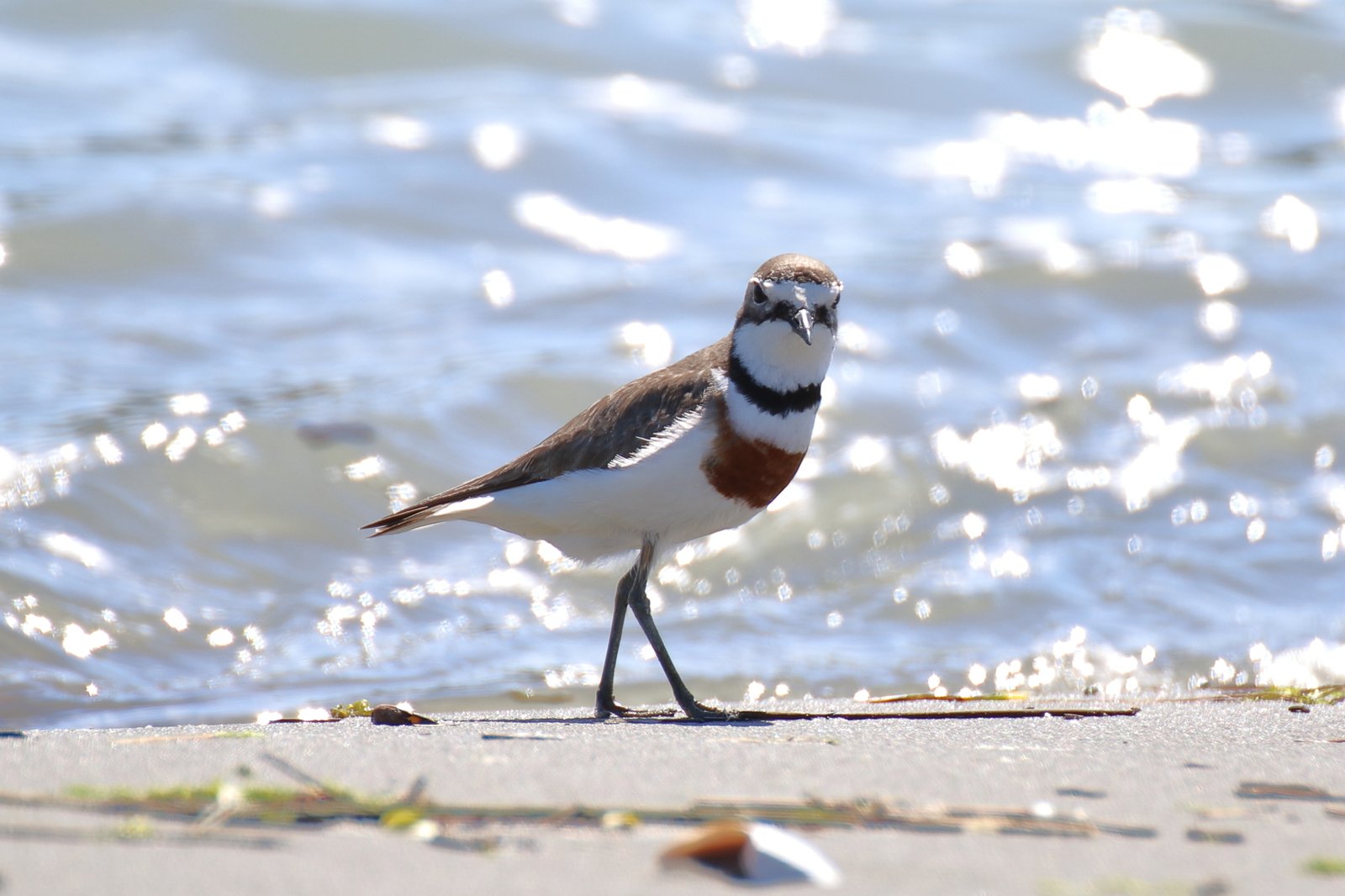
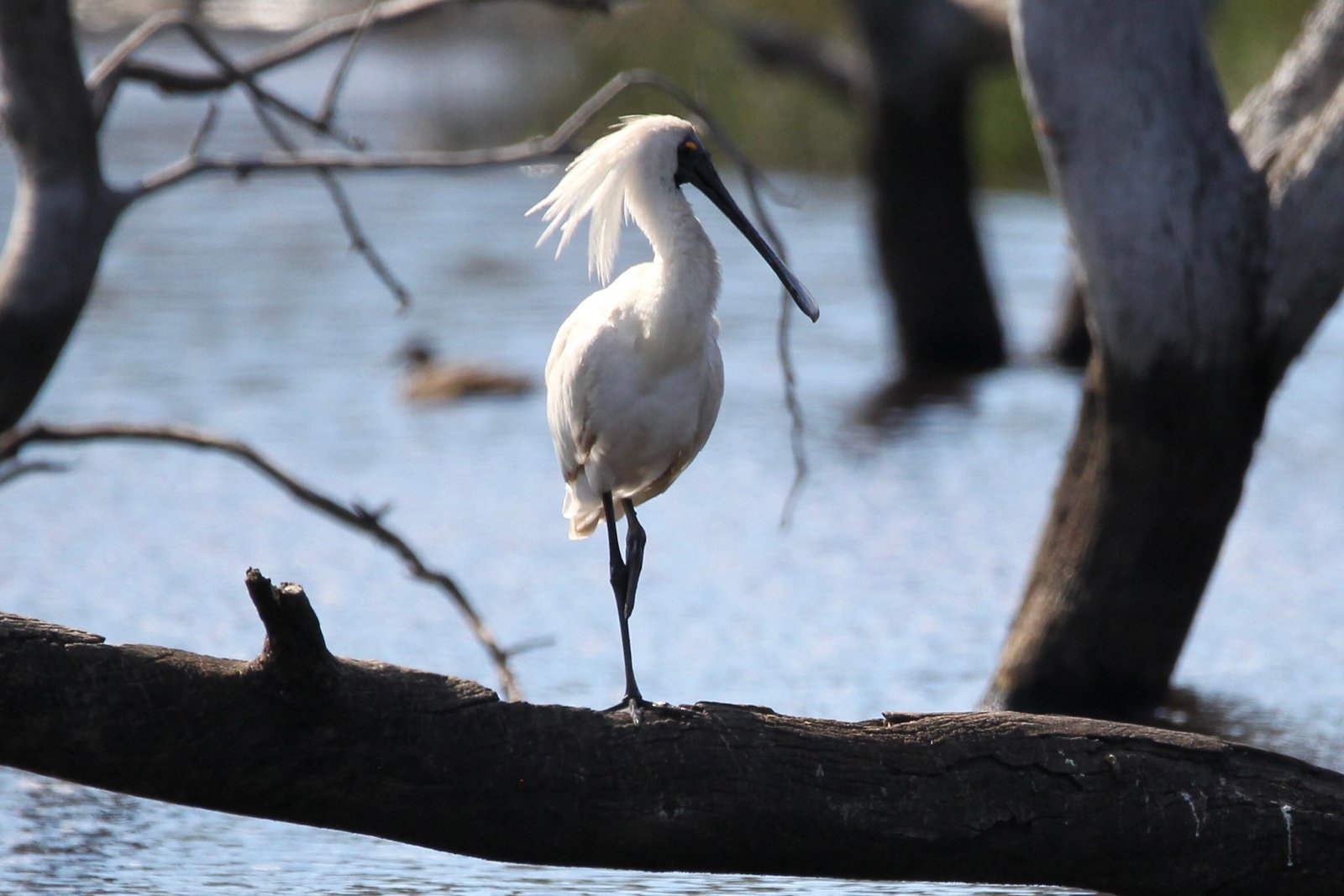
The Ashley-Rakahuri Estuary, located just north of Christchurch at Waikuku Beach, is a key wetland and braided river system that supports an impressive diversity of waterbirds and shorebirds. It’s one of the best places in the South Island to observe threatened species like the Ngutu pare (Wrybill), Tarapirohe (Black-fronted Tern), and Tarāpuka (Black-billed Gull), especially during the breeding season. The estuary also attracts a variety of migratory shorebirds such as Kuaka (Bar-tailed Godwits) and Huahou (Red Knots), as well as Poaka (Pied Stilts), Masked Lapwing, and Kōtuku ngutupapa (Royal Spoonbills) year-round. Accessible walking tracks and viewing points make it easy to explore some of the area, and the mix of estuarine mudflats, coastal dunes, and riverbeds offers excellent opportunities for both casual birders and serious listers.
Featured Birds
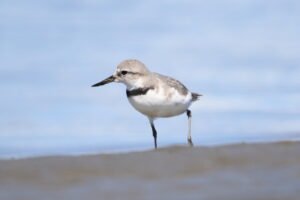
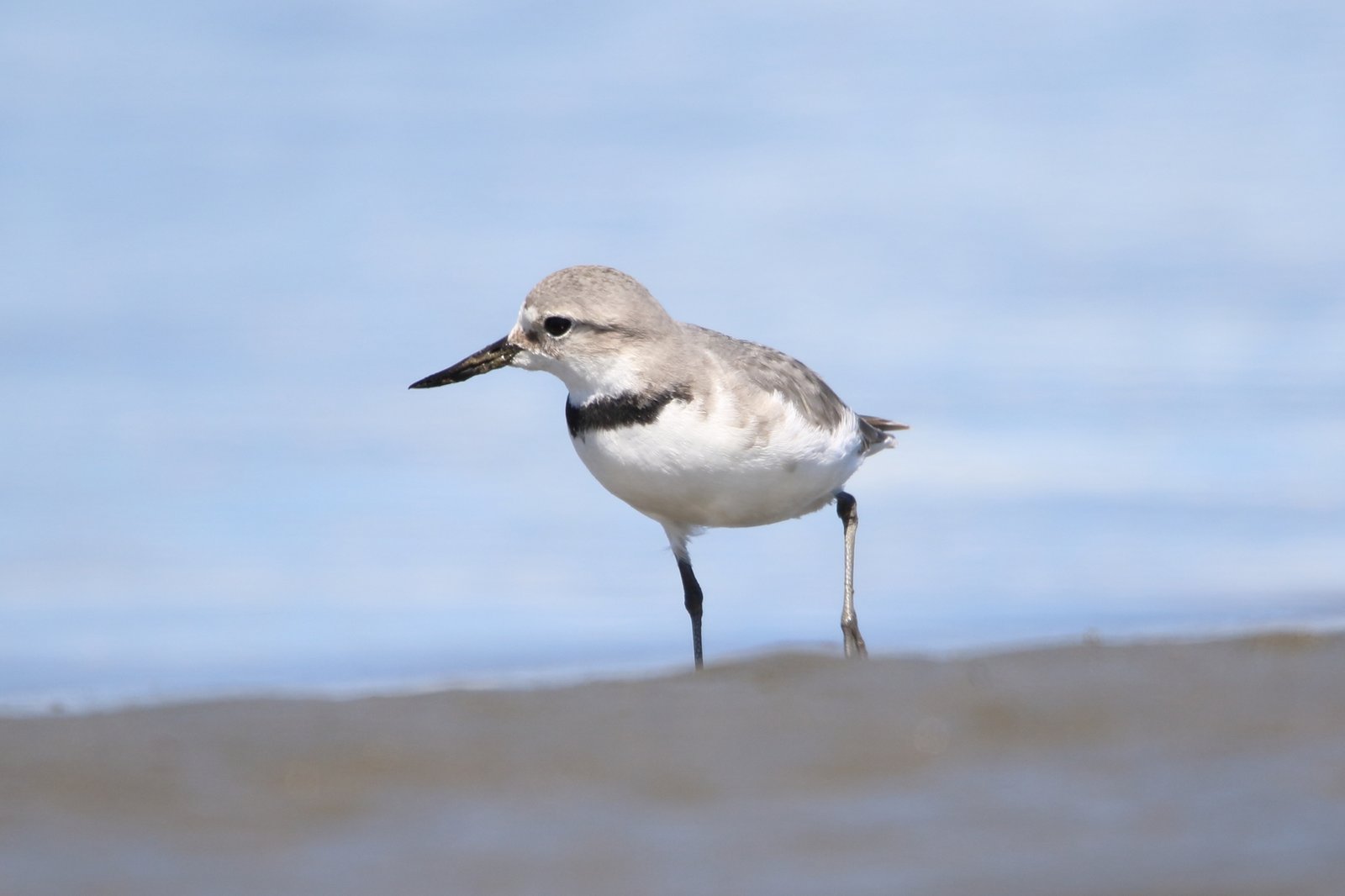
Wrybill/Ngutu pare
© Jacob Littlejohn via iNaturalist, used under CC BY-SA 4.0
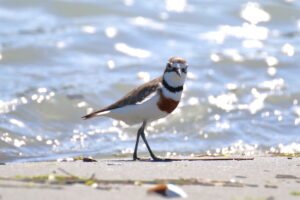
New Zealand Double-banded Plover/Pohowera
© Jacob Littlejohn via iNaturalist, used under CC BY-SA 4.0
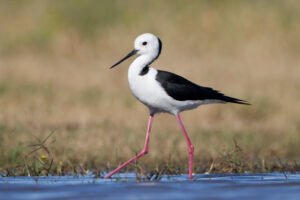
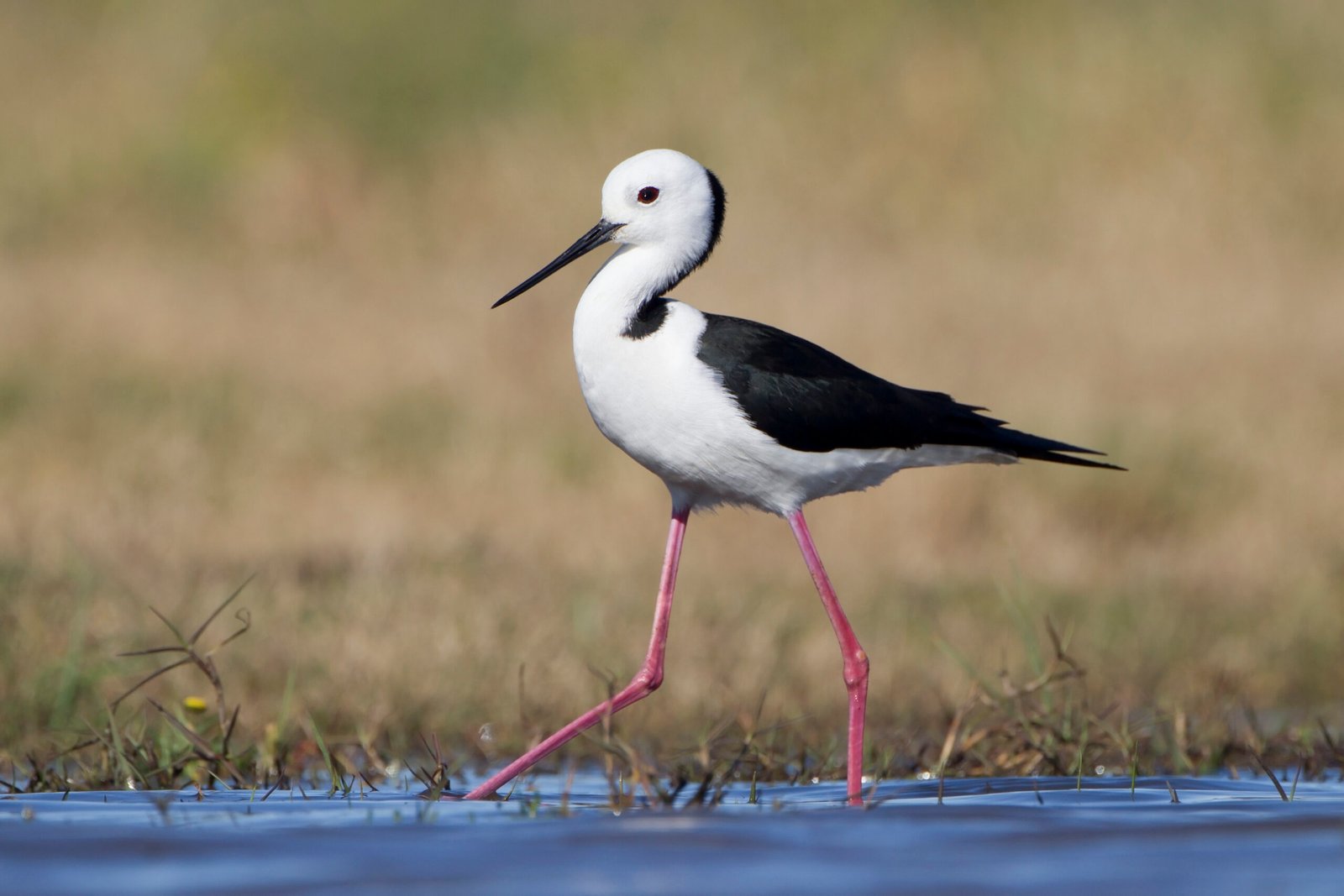
Pied Stilt/Poaka
© JJ Harrison via Wikimedia Commons, used under CC BY-SA 3.0
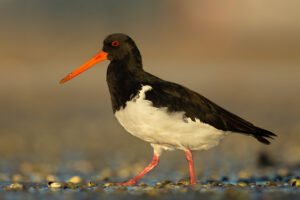
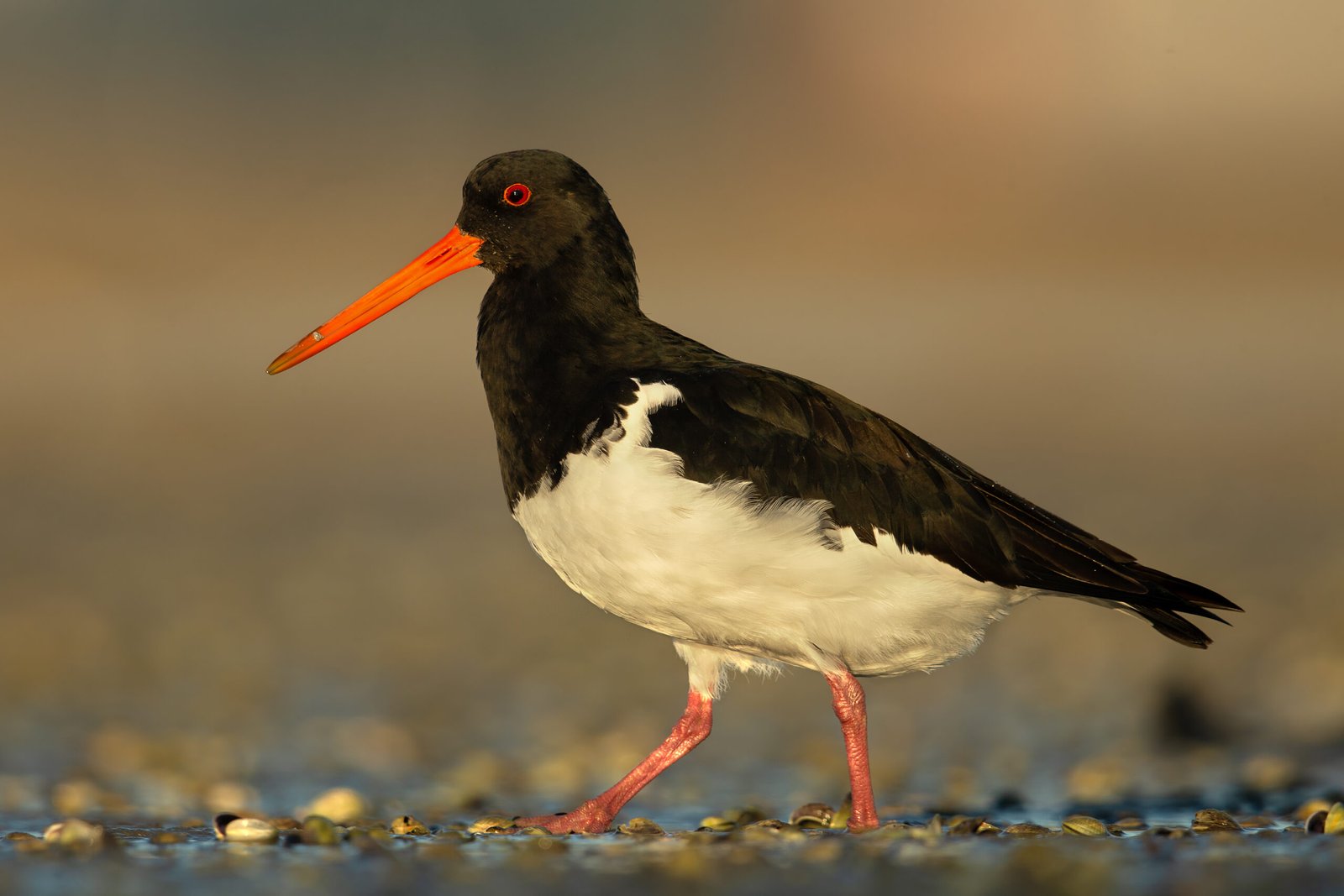
South Island Oystercatcher/Tōrea
© JJ Harrison via Wikimedia Commons, used under CC BY-SA 3.0
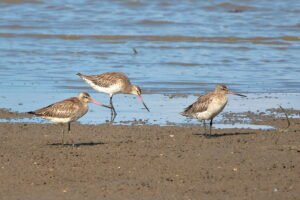
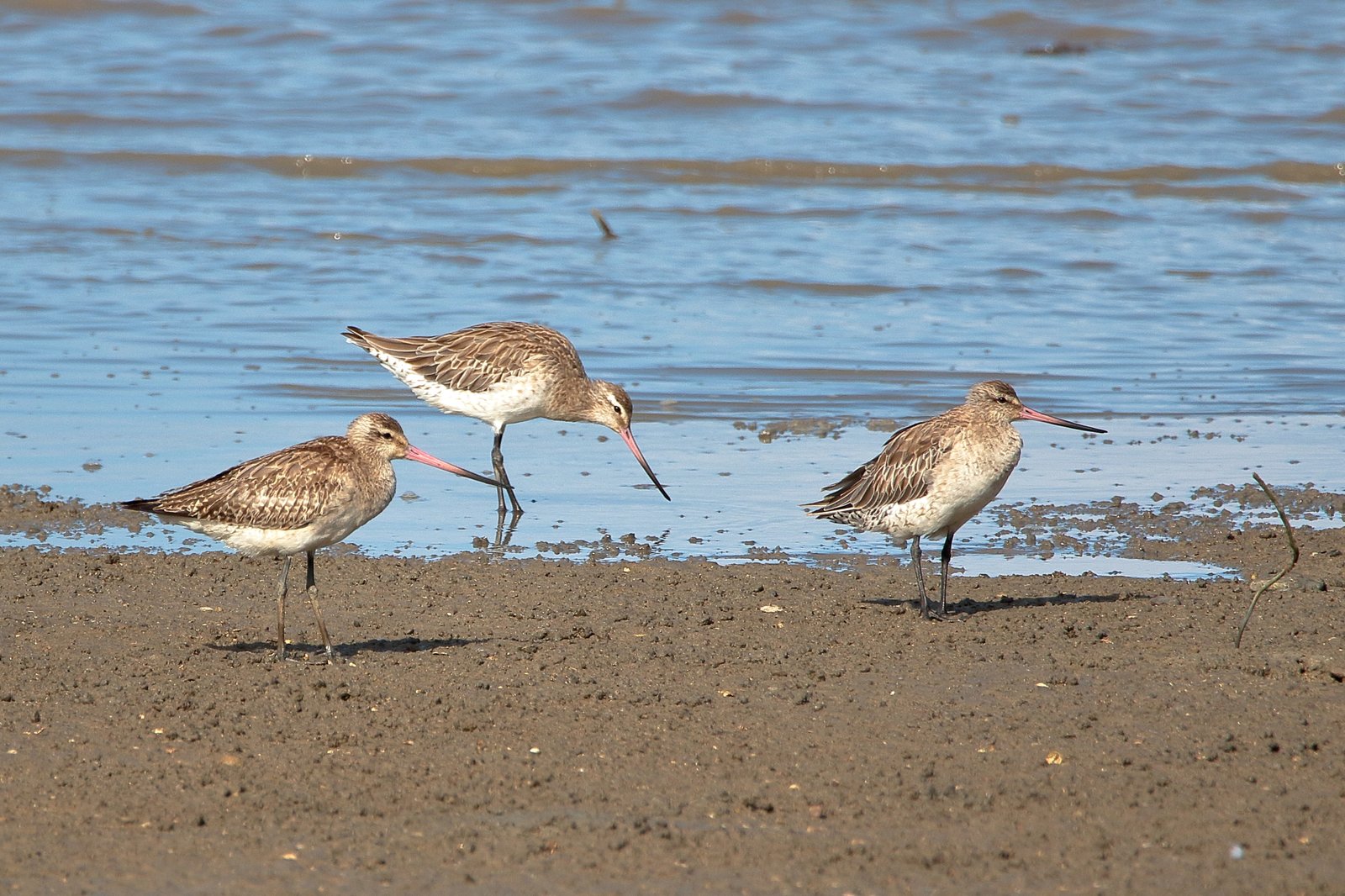
Bar-tailed Godwit/Kuaka
© Graham Winterflood via iNaturalist, used under CC BY-SA 4.0
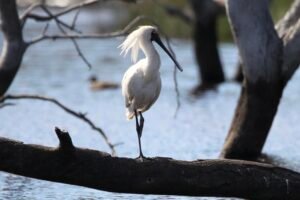
Royal Spoonbill/Kōtuku ngutupapa
© Wildlifecartoons via Wikimedia Commons, used under CC BY-SA 4.0
Costs
Required Costs
- None. This area is totally open and free to visit.
Accessibility
On the southern area of the estuary, there is a paved walking path that is totally open for any level of ability. If you would like to go out and explore more of the estuary, you will need a degree of fitness that allows you to walk along sand without too much fatigue.
Things to Know
Hours & Access
- This area is always open.
Facilities
- There are restrooms located in the car park by the estuary.
Rules & Restrictions
- Horses are not allowed.
- Drones and model aircraft are not allowed.
- Dogs are not allowed inside the estuary, but are on the nearby stop bank with a leash.
- Keep your distance from animals.
Safety
- Overall this is a very safe environment, just be careful of mud flats and tripping as a result.
Tips & Tricks
- This is a good place to bring a scope. Shorebirds are going to be one of the major groups seen here, and you may have a hard time with identification otherwise.
Guides & Tours
- None
Getting there
Getting here depends on whether you choose to stay in Waikuku Beach or back in Christchurch. Luckily, it’s not too hard to get to the estuary from either location. Let’s start with the easy one, Waikuku Beach. Walking. It’s a very small area, so if you stay somewhere like the local holiday park, you will only have a few minute’s walk. You don’t need to worry about much else.
Now for Christchurch. To start off, driving there is fairly straight forward. You really only need to take highway 1 north, and it takes about 30 minutes from the Christchurch CBD. If you don’t have a car, you can also take the bus. The 95 goes directly north, however do know it only goes along this route a couple times a day, and each way is about 1.5 hours.
Places to Stay
If you’re looking for somewhere relatively off quite and out of the city life, staying in Waikuku could be a good option. The local holiday park fits that description, so why not! If you’re looking for a more city experience or just want more options, Christchurch is only 30 minutes away.
Waikuku Beach Holiday Park
Waikuku Beach Holiday Park is a laid-back, family-friendly campground located just a short walk from the beach and surrounded by pine forest and open space. Offering powered and non-powered sites, cabins, and basic facilities, it’s a great option for budget-conscious travelers looking for a relaxed stay close to nature. The park has a peaceful, coastal feel and is popular with both locals and visitors during summer months.
Best of all, it’s just a 5–10 minute drive from the Ashley River Estuary, one of the South Island’s prime shorebird hotspots. That makes it an excellent base for early morning or late afternoon birding sessions, especially during the migratory season.
Christchurch
Christchurch, the largest city in the South Island, offers a full spectrum of accommodation options for whatever budget and comfort level you’re looking for. With its green spaces, riverside cafés, and easy airport access, it’s a comfortable and convenient base for birders beginning or ending a South Island journey.
Despite being a major urban center, Christchurch provides easy access to excellent birding. The Avon-Heathcote Estuary, Travis Wetland, and Bottle Lake Forest are all within city limits, while top shorebird sites like the Ashley River Estuary and Lake Ellesmere (Te Waihora) are just a short drive away. Staying in Christchurch gives you urban comfort without sacrificing proximity to some of Canterbury’s best birding habitats.
Explore Accommodations
Arthur's Pass
Canterbury Region, NZ
Arthur’s Pass is a rugged alpine region in the heart of the Southern Alps, offering a unique blend of high-mountain scenery, native beech forest, and iconic South Island birdlife. Centered around Arthur’s Pass National Park and the small alpine village of the same name, the area is a stronghold for the charismatic and mischievous Kea, often seen around the village or soaring above mountain ridges. Forested trails like the Devils Punchbowl and Bealey Valley Track provide opportunities to spot Kakaruai (South Island Robins), Tītitipounamu (Riflemen), and Miromiro (Tomtits). The varied terrain — from mossy forest to alpine scree — supports a rich, if subtle, birding experience, and the dramatic landscapes alone make it well worth a visit.
Featured Birds
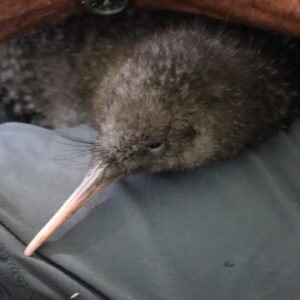
Great Spotted Kiwi/Roroa
© chrystal1914 via iNaturalist, used under CC BY 4.0
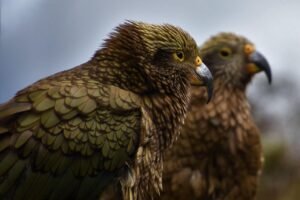
Kea
© traveller1955 via Pixabay, used under public domain (CC0)
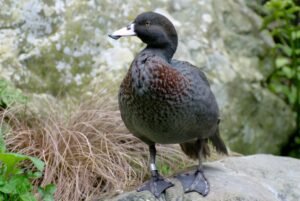
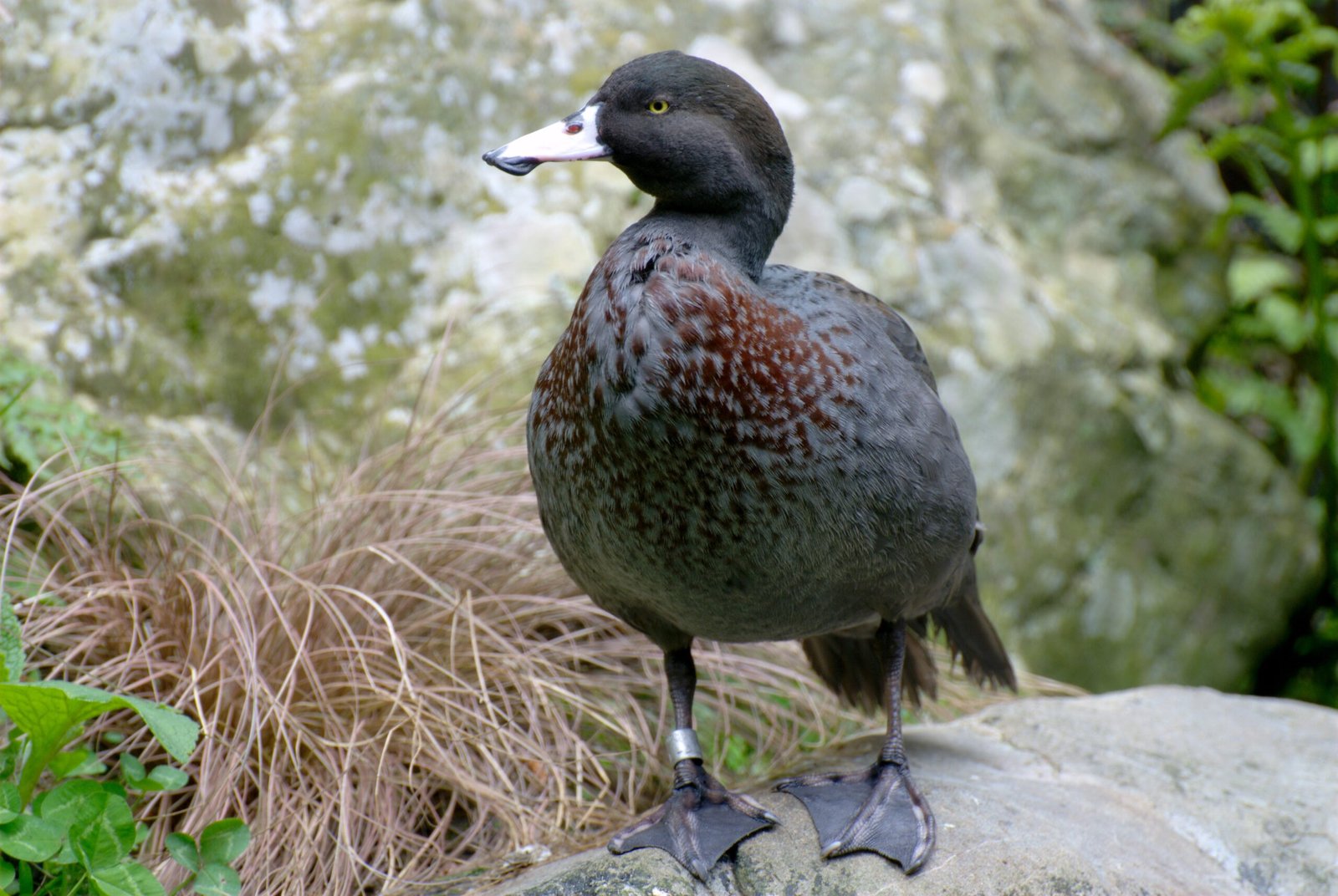
Blue Duck/Whio
© Karora via Wikimedia Commons, used under public domain
Costs
Required Costs
- None
Elective Costs
- Guides
- Tours
Accessibility
You can see many great species, like Kea, without having to leave Arthur’s Pass Village. This is great for those with mobility issues, as you do not need to go backpacking to see these birds. That being said, to truly take advantage of the region having a decent degree of fitness is required. If you want to backpack along some of these trails, you’ll need to have good fitness ability and knowledge of backpacking protocol.
Things to Know
Hours & Access
- You can access the national park itself at any point.
- The visitor centre is open from 8:30am-4:30pm during the months of March-November. December-February, the time period switches to 8:00am to 5:00pm Friday-Tuesday, and remains 8:30am-4:30pm Wednesday-Thursday. It is closed on Christmas Day.
Facilities
- There is a visitor centre, which can give insights about the area, the various tracks, and the wildlife around.
- There are backcountry huts for those backpacking along the tracks in the national park.
Rules & Restrictions
- You need a permit from the DOC to use a drone.
- Dogs are not allowed in the national park.
- Keep your distance from animals.
Safety
- This is a mountainous region, and as such variables like weather and the environment need to be heavily taken into considerations. Make sure before you travel here to do research on the area and if the weather will be safe. Check here to see what the weather is looking like!
- Rain and other wet conditions can come quickly, and rivers can rise rapidly and make crossing either difficult or impossible. Make sure you also know about proper procedure of crossing rivers. You can learn more about that here!
Tips & Tricks
- You can see many species, such as Kea really easily from Arthur’s Pass Village! Other spots to check are the Otira Viaduct Lookout and the Orita Gorge Rock Shelter Lookout.
- Check the rivers! Whio have been known to show up from time to time, sometimes pretty close to Arthur’s Pass Village.
Guides & Tours
Getting there
Starting off with driving, you can reach Arthur’s Pass in around 2 hours if you’re coming from the Christchurch area. Just be mindful that this does include driving along mountain passes, and if this is something you’re not comfortable with, there are other options for you to consider!
You can reach Arthur’s Pass without a car using public transport or a guided tour. The easiest and most scenic option is the TranzAlpine train from Christchurch, which stops in Arthur’s Pass and takes about 2.5 hours, but do be aware tickets can be pretty expensive. Alternatively, East West Coaches and West Coast Shuttle offer daily bus services from Christchurch, which are more affordable and take about 3.5 hours.
For a more immersive experience, several companies offer guided day tours that can include hotel pickup, a TranzAlpine train ride, scenic stops (like Castle Hill), and return transport—ideal if you want everything arranged. Once at Arthur’s Pass, most trails and facilities are within walking distance of the village.
Places to Stay
For just a casual visit, there are two different options: Arthur’s Pass Village and Otira. Arthur’s Pass Village gives you front-row access to nearby tracks, however Otira is a solid alternate to Arthur’s Pass Village that is often more quiet and close down the mountain road. Both are great options, and Otira can be a solid option when Arthur’s Pass Village gets busy. For those taking the backpacking route in the national park, check out the huts as these are great options for backcountry stays!
Arthur's Pass Village
Arthur’s Pass Village is a small alpine settlement nestled in the heart of the Southern Alps, offering a range of cozy accommodation options including motels, backpacker lodges, holiday homes, and DOC campsites. While simple and remote, the village provides any general needs, like a café, small store, and visitor center.
Staying in the village puts you right on the doorstep of Arthur’s Pass National Park, with easy access to popular walking tracks like the Devils Punchbowl, Avalanche Peak, and Bealey Valley Track. It’s also one of the best and easiest places to encounter the curious and iconic Kea, which often frequent the village itself.
Explore Accommodations
Otira
Otira is a quiet, off-the-beaten-path alternative to Arthur’s Pass Village, located just 15 minutes west of the pass itself. This small historic settlement sits at the edge of native forest and rugged mountain terrain, offering a handful of simple accommodation options.
Staying in Otira keeps you within easy reach of Arthur’s Pass National Park, while also placing you closer to the lush, wetter western side of the Southern Alps. The surrounding area is rich in native birdlife, with opportunities to spot Kea, Tūī, Tomtits, and Robins right around the village. For birders and nature lovers looking for a peaceful base with alpine charm and fewer visitors, Otira is a rewarding and convenient choice.
Explore Accommodations
Arthur's Pass National Park Huts
For those looking to immerse themselves fully in the alpine backcountry, Arthur’s Pass National Park offers a network of backcountry DOC huts, ranging from basic bivvies to more well-equipped serviced huts. These huts are ideal for experienced trampers and birders planning multi-day hikes or seeking early access to remote terrain. Popular routes like the Carrington Hut via the Waimakariri Valley, Edwards Hut, or more advanced alpine routes offer stunning scenery and a true sense of isolation.
Staying in the huts puts you deep into prime native bird habitat, where you might encounter Rock Wren, Kea, Roroa, and other South Island specialties far from the roadside crowds. For serious backpackers and birders comfortable with backcountry navigation and conditions, the park’s hut system is a fantastic way to explore one of New Zealand’s wildest landscapes.
Katiki Point Lighthouse
Moeraki, Otago Region, NZ
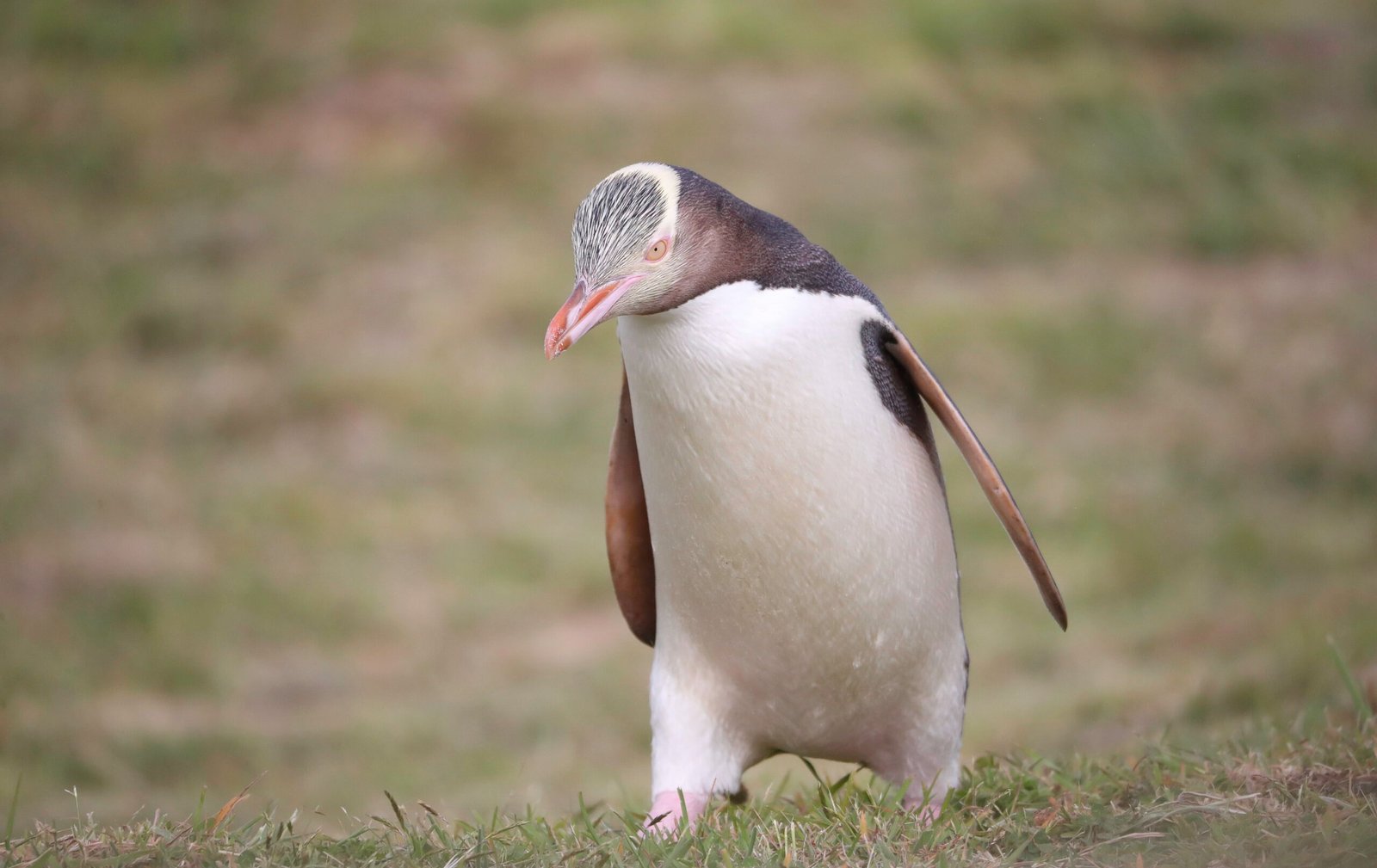
Katiki Point Lighthouse, located near the small town of Moeraki on the Otago Coast, is one of the best places in New Zealand to see Hoiho (Yellow-eyed Penguins) in the wild. A short walking track leads visitors past the historic 19th-century lighthouse and down toward viewing areas overlooking rocky shores and nesting habitat. In addition to hoiho, the area supports a lively New Zealand fur seal colony (with the occasional sea lion!) and offers great coastal birding, with regular sightings of Tarāpunga (Red-billed Gulls), Tara (White-fronted Terns), Tōrea pango (Variable Oystercatchers), and several species of shag. The walk is relatively easy and especially rewarding in the early morning or late afternoon when penguins are more likely to be seen coming or going from the sea. With dramatic ocean views, accessible wildlife viewing, and a strong conservation presence, Katiki Point is a must-stop along the Otago coast.
Featured Birds
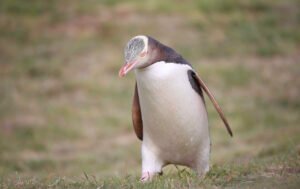
Yellow-eye Penguin/Hoiho
© Andy Witchger via Wikimedia Commons, used under CC BY 2.0
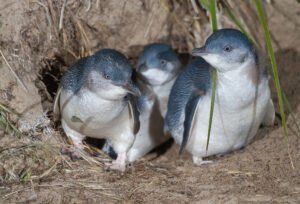
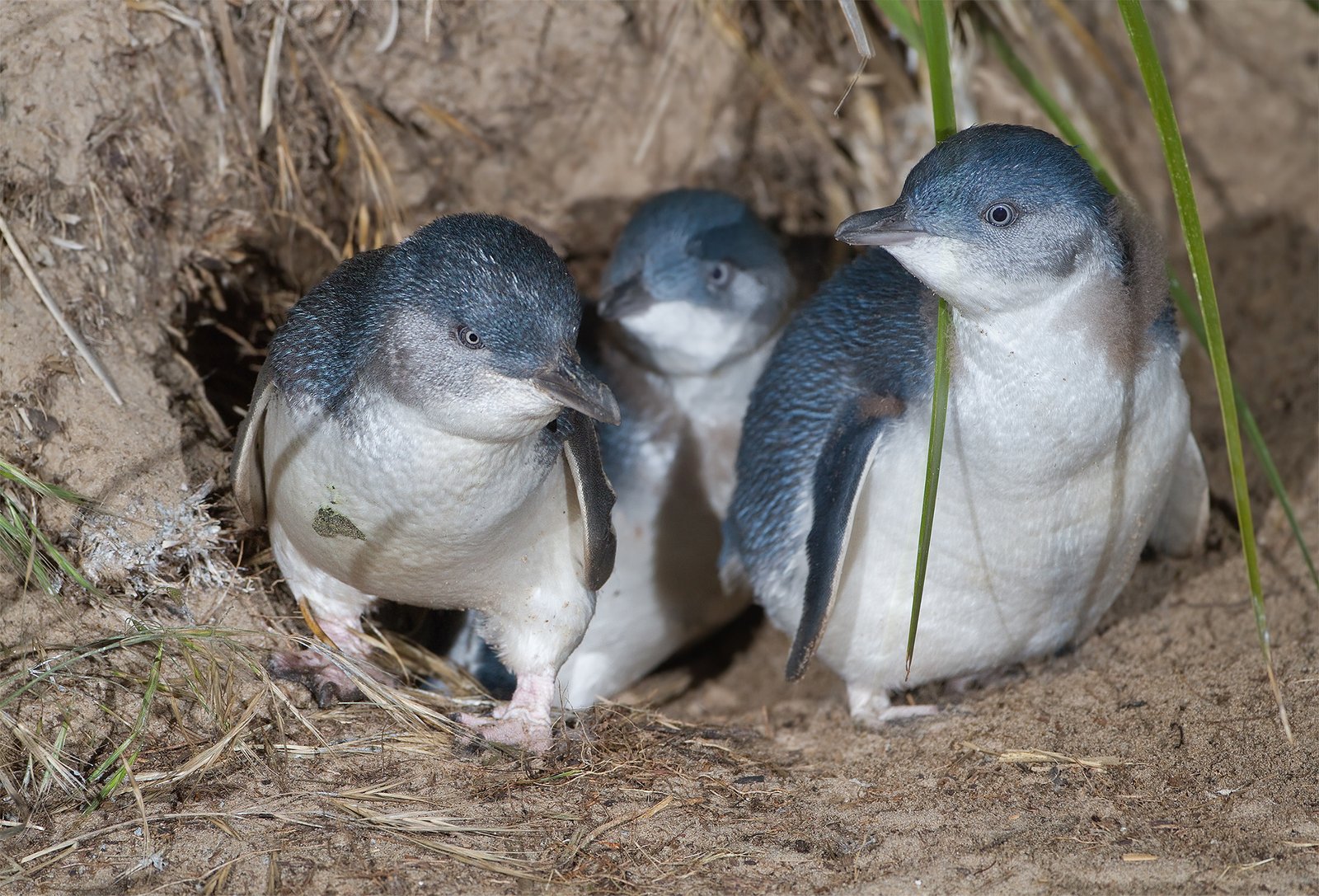
Little Penguin/Kororā
© JJ Harrison via Wikimedia Commons, used under CC BY‑SA 3.0
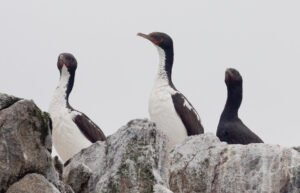
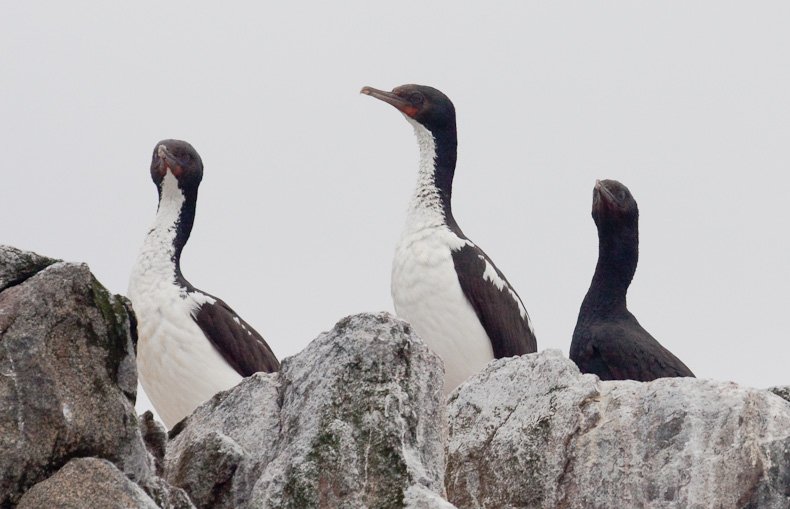
Stewart Island Shag/Matapo
© Jim Scarff via Flickr, used under CC BY 2.0
Costs
Required Costs
- None
Add-on Costs
- None
Accessibility
There is a gravel route that goes all the way down to the coastline, but with a bit of a slope. Overall, the route takes about 20 minutes and is relatively easy-going. If you have trouble walking or get winded easily, you will need to take it easy on this trail, but it is still possible. While potentially possible, those in a wheelchair or who have trouble walking will likely find this difficult.
Things to Know
Hours & Access
- The walking track to access the reserve is open from 7:30am-5:30pm daily.
Facilities
- There is a bio-toilet located at the top of the track near the lighthouse.
Rules & Restrictions
- Dogs are not allowed in the reserve.
- No food is allowed in the reserve.
- Bikes are not allowed in the reserve.
- You need to keep a distance of at least 20 meters from NZ fur seals and sea lions.
- Maintain a safe and respective distance from all other animals.
Safety
- Overall this is a very safe environment, just be careful of potentially loose gravel or slopes when walking.
- Make sure you keep an eye on the tide. While you’re likely going to be totally fine, just be aware if the water is rising and could pose an issue.
Tips & Tricks
- Check the beach area! You cannot walk there, but seeing as this is a nesting area for Hoiho you might luck out in seeing one, especially early in the morning or evening.
Guides & Tours
- None
Getting there
Unfortunately, I don’t really know any better way to get here than car. This is a pretty sparse and remote area of the coast, so there aren’t a ton of amenities in terms of public transportation.
Places to Stay
Katiki Point is about halfway between Oamaru and Dunedin, so realistically either place could be somewhere to stay. This hotspot is a great pit stop on the way between the two cities.
Oamaru
Oamaru is a charming coastal town on the North Otago coast, offering a wide range of accommodations. Known for its Victorian architecture, art scene, and excellent local food, Oamaru makes for a comfortable and engaging base for exploring the surrounding region.
It’s also ideally located for wildlife lovers, with blue penguin and yellow-eyed penguin viewing opportunities right in town, and Katiki Point Lighthouse just a 40-minute drive away.
Explore Accommodations
Dunedin
Dunedin is a vibrant university city offering a wide variety of accommodations. With its lively food scene, historic buildings, and thriving arts culture, Dunedin provides a comfortable and engaging base for birders who also want to enjoy a bit of urban charm.
Just beyond the city limits lies the Otago Peninsula, home to some of New Zealand’s most iconic coastal birding spots, including Taiaroa Head, Hooper’s Inlet, and Sandfly Bay. Rare species like Northern Royal Albatross, Yellow-eyed Penguins, and Variable Oystercatchers can all be seen within a short drive. Dunedin also offers easy access to Orokonui Ecosanctuary, making it an ideal hub for both casual and serious birding adventures.
Explore Accommodations
Orokonui Ecosanctuary
Dunedin, Otago Region, NZ
Orokonui Ecosanctuary is a predator-free haven located just 20 minutes north of Dunedin, set within coastal Otago forest and home to some of New Zealand’s rarest native species. Surrounded by a predator-exclusion fence, the sanctuary protects a thriving population of Tūī, Korimako (bellbird), Kakaruai (South Island Robins) Miromiro (Tomtits), and reintroduced species like Takahē, Kākā, and the cryptic Tuatara. Well-maintained walking tracks provide access to lush native bush and open clearings, offering rewarding birding opportunities. Interpretive signs and a modern visitor centre add context to the conservation efforts underway, making this an ideal destination for both casual visitors and keen birders looking to experience New Zealand wildlife up close in a safe, well-managed environment.
Featured Birds
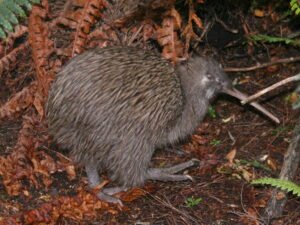
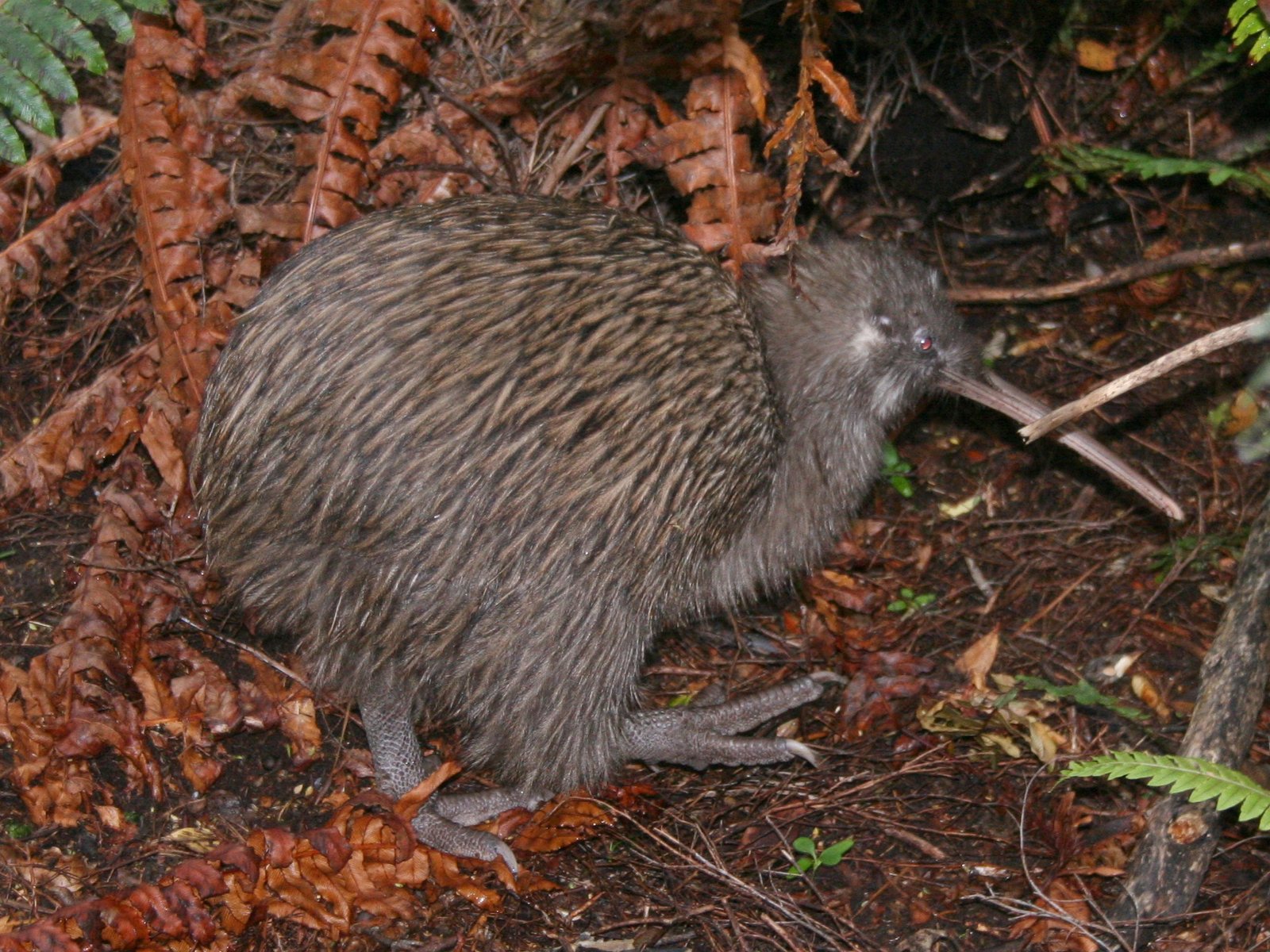
Southern Brown Kiwi/Tokoeka
© Glen Fergus via Wikimedia Commons, used under CC BY-SA 2.5
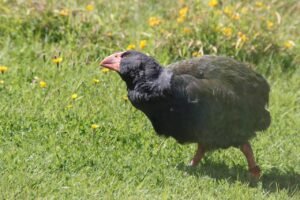
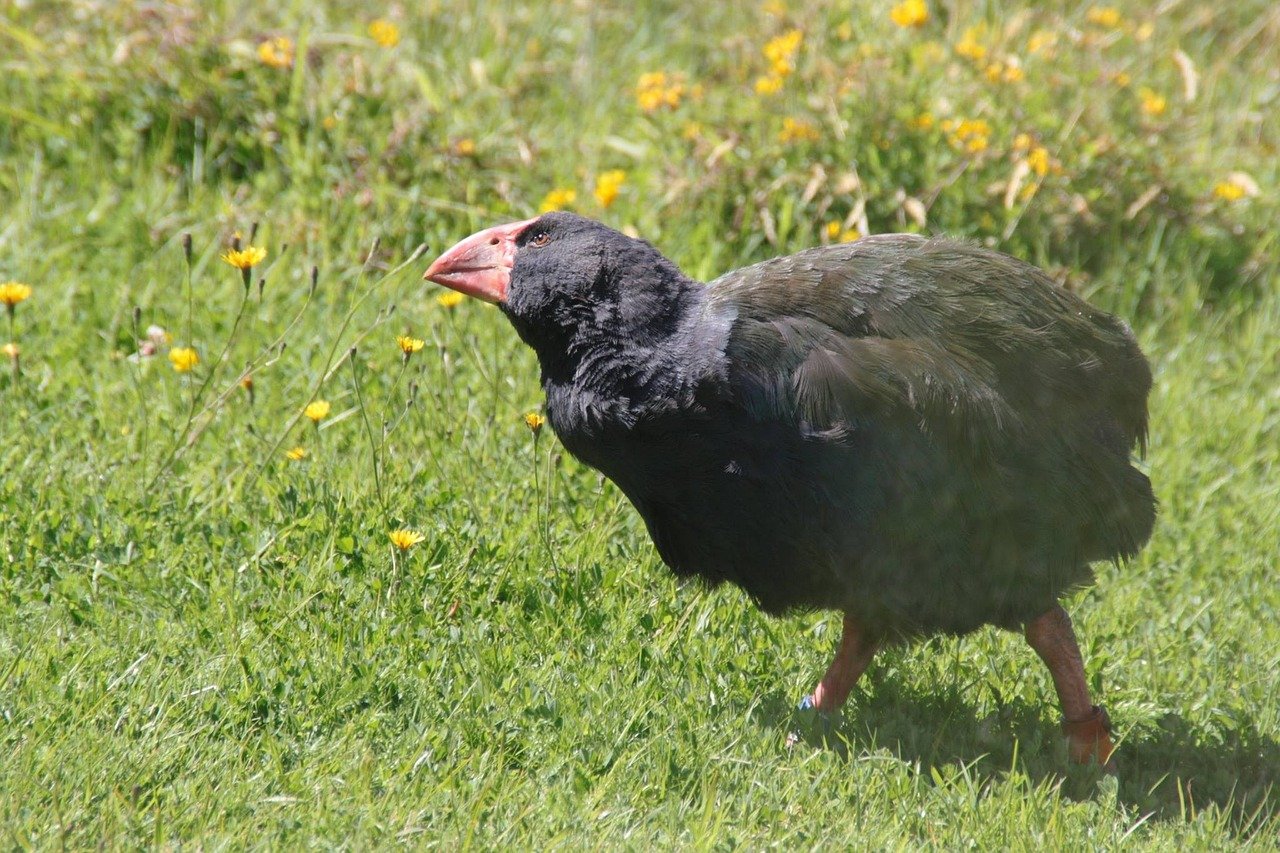
South Island Takahē
© Violet K via Pixabay, used under public domain (CC0)
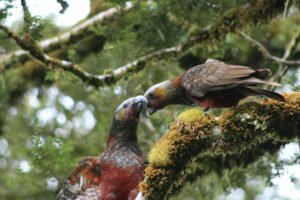
South Island Kākā
© Mark Whatmough via Flickr, used under CC BY 2.0
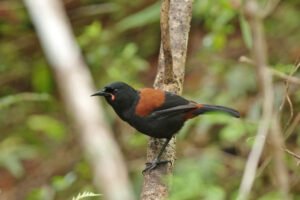
South Island Saddleback/Tīeke
© Thibaud Aronson via iNaturalist, used under CC BY-SA 4.0
Tūī
© Charles Sharp via Wikimedia Commons, used under CC BY-SA 4.0
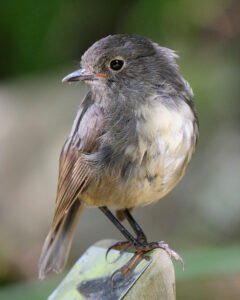
South Island Robin/Kakaruai
© Pseudopanax via Wikimedia Commons, used under public domain (CC0)
Costs
Required Costs
- General Admission — NZ $26 per adult, NZ $13 per child. Check it out here!
Add-on Costs
- Guided Tours
Accessibility
Orokonui Ecosanctuary is one of the most accessible birding sanctuaries in New Zealand. The visitor centre is fully wheelchair accessible, with ramps, wide doorways, and accessible toilets. Within the sanctuary, a wheelchair-friendly loop offers excellent opportunities to experience the forest, feeders and see native birds without navigating steep or uneven terrain. Other tracks vary in difficulty, with some steeper paths and natural surfaces best suited to those with good mobility. Benches are available at intervals for rest stops, and the staff are very welcoming and happy to advise on track options to match individual needs.
Things to Know
Hours & Access
- The visitors centre and sanctuary are open from 9:30am to 4:30 pm Thursday-Monday.
Facilities
- There is a visitor centre, which can give insights about the sanctuary.
- There are accessible restrooms located in the visitor centre.
Rules & Restrictions
- You need to carry out biosecurity checks before entering the sanctuary.
- Keep your distance from animals.
Safety
- Overall this is a very safe environment, just be careful of potentially loose gravel or slopes when walking.
Tips & Tricks
- If you are set on seeing Takahē, take a look at the grasslands, as that is a likely place to see them.
Guides & Tours
Getting there
Car again is the simplest option, with the sanctuary being about 30 minutes from the Dunedin CBD, but there are other options as well! Rideshare is pretty widely available in Dunedin, but do be aware that it can get expensive or hard to get during peak times.
There are relatively inexpensive tours through third parties that will also include transportation, however often they will include more than just the sanctuary. Sometimes these can be the same price or cheaper as if you were to rideshare by yourself.
Places to Stay
Located just outside Dunedin, this is the best place and a great home base for the sanctuary as well as other local hotspots.
Dunedin
Dunedin is a vibrant university city offering a wide variety of accommodations. With its lively food scene, historic buildings, and thriving arts culture, Dunedin provides a comfortable and engaging base for birders who also want to enjoy a bit of urban charm.
Just beyond the city limits lies the Otago Peninsula, home to some of New Zealand’s most iconic coastal birding spots, including Taiaroa Head, Hooper’s Inlet, and Sandfly Bay. Rare species like Northern Royal Albatross, Yellow-eyed Penguins, and Variable Oystercatchers can all be seen within a short drive. Dunedin also offers easy access to Orokonui Ecosanctuary, making it an ideal hub for both casual and serious birding adventures.
Explore Accommodations
Taiaroa Head
Harington Point, Otago Region, NZ
Taiaroa Head, at the tip of the Otago Peninsula, is home to the only mainland breeding colony of albatross in the world, making it one of New Zealand’s most iconic birding destinations. The Royal Albatross Centre offers guided tours to an observatory overlooking the nesting grounds, where visitors can witness these massive seabirds gliding in on ocean winds or tending to chicks during breeding season. The headland is also rich in other wildlife, with Tarāpunga (Red-billed Gulls), Tara (White-fronted Terns), Kawau tikitiki (Spotted Shags), and occasionally Sooty Shearwaters nesting nearby, along with a New Zealand fur seal colony on the rocks below. Even without a tour, the surrounding area offers excellent coastal birding, stunning scenery, and the chance to see albatross soaring overhead on windy days.
Featured Birds
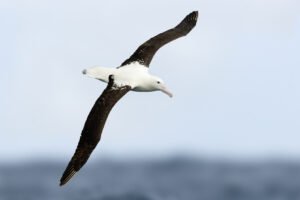
Northern Royal Albatross/Toroa
© JJ Harrison via Wikimedia Commons, used under CC BY‑SA 4.0
Little Penguin/Kororā
© JJ Harrison via Wikimedia Commons, used under CC BY‑SA 3.0
Stewart Island Shag/Matapo
© Jim Scarff via Flickr, used under CC BY 2.0
Costs
Required Costs
- None
Add-on Costs
- Guided Tours
- Cruises
Accessibility
The Royal Albatross Centre is designed to be welcoming for visitors of all mobility levels. The visitor centre itself is fully accessible, with ramps, wide entrances, and accessible restrooms. The guided tours to the observatory involve a short uphill walk, and for those with trouble walking, mobility scooters may be arranged with prior contact of the centre. The observatory viewing areas are wheelchair accessible, offering excellent opportunities to see nesting albatross up close without steps or narrow passageways. Staff are accommodating and can assist with additional needs if arranged in advance.
Things to Know
Hours & Access
- The visitors centre is open from 10:15am until dusk. Tours start at 11:00am, and penguin tours are typically operated at dusk.
Facilities
- There is a visitor centre, which can give insights about the area, the birds, and contains a café. This is where the tours leave from.
- There are accessible restrooms located in the visitor centre.
Rules & Restrictions
- You need a permit from the DOC to use a drone.
- While photography is allowed, flashes may not be used.
Safety
- Overall this is a very safe environment, just be careful of potentially loose gravel or slopes when walking.
- There are also a good amount of cliffs nearby, and with this area being quite windy just make sure you maintain good footing and keep a safe distance.
Tips & Tricks
- Check out the Waiwhakaheke Seabird Lookout! It’s in the same parking lot as the Royal Albatross Centre. You can sometimes get glimpses of adult Royal Albatross flying around, along with other seabird species!
Guides & Tours
Getting there
There are no main public transportation options, as the closest bus only gets you within a few kilometers, and with there being no sidewalk for the rest of the route, I don’t recommend walking it based on safety. The best way is to drive out to the end of the peninsula yourself. This takes about 30 minutes to 1 hour from Dunedin, depending on construction that could be happening. If you don’t have your own car, the next option would be to book a wildlife tour through groups like Blue Penguins Pukekura or Viator, which can provide transport from Dunedin depending on the tour. Usually this will be an all-day tour and more expensive, so you will not be able to tailor the experience quite as much unless it is a fully private tour.
Places to Stay
Located just outside Dunedin, this is the best place and a great home base for the sanctuary as well as other local hotspots.
Dunedin
Dunedin is a vibrant university city offering a wide variety of accommodations. With its lively food scene, historic buildings, and thriving arts culture, Dunedin provides a comfortable and engaging base for birders who also want to enjoy a bit of urban charm.
Just beyond the city limits lies the Otago Peninsula, home to some of New Zealand’s most iconic coastal birding spots, including Taiaroa Head, Hooper’s Inlet, and Sandfly Bay. Rare species like Northern Royal Albatross, Yellow-eyed Penguins, and Variable Oystercatchers can all be seen within a short drive. Dunedin also offers easy access to Orokonui Ecosanctuary, making it an ideal hub for both casual and serious birding adventures.
Explore Accommodations
Fiordlands National Park
Southland Region, NZ
Fiordland National Park, a UNESCO World Heritage Site and the largest national park in New Zealand, offers some of the most dramatic and remote birding in the country. Iconic locations like Milford Sound and Doubtful Sound are not only breathtakingly scenic but also excellent places to spot species like Tawaki (Fiordland Crested Penguins), Kea, and Kārearea (New Zealand Falcons), along with seabirds such as shearwaters and petrels on boat cruises. Inland, the park’s network of world-famous tramping tracks — including the Milford, Kepler, and Routeburn — passes through a mosaic of ancient beech forest, alpine tussock, and glacier-fed rivers, offering encounters with Mohua (Yellowhead), Pīwauwau (South Island Wren) and Ruru (Morepork). While wildlife can be elusive, the pristine wilderness and remote feel make every bird sighting feel special — and the sheer scale of the landscape adds a sense of awe to any visit.
Featured Birds
South Island Takahē
© Violet K via Pixabay, used under public domain (CC0)
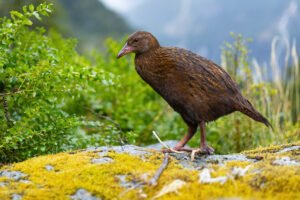
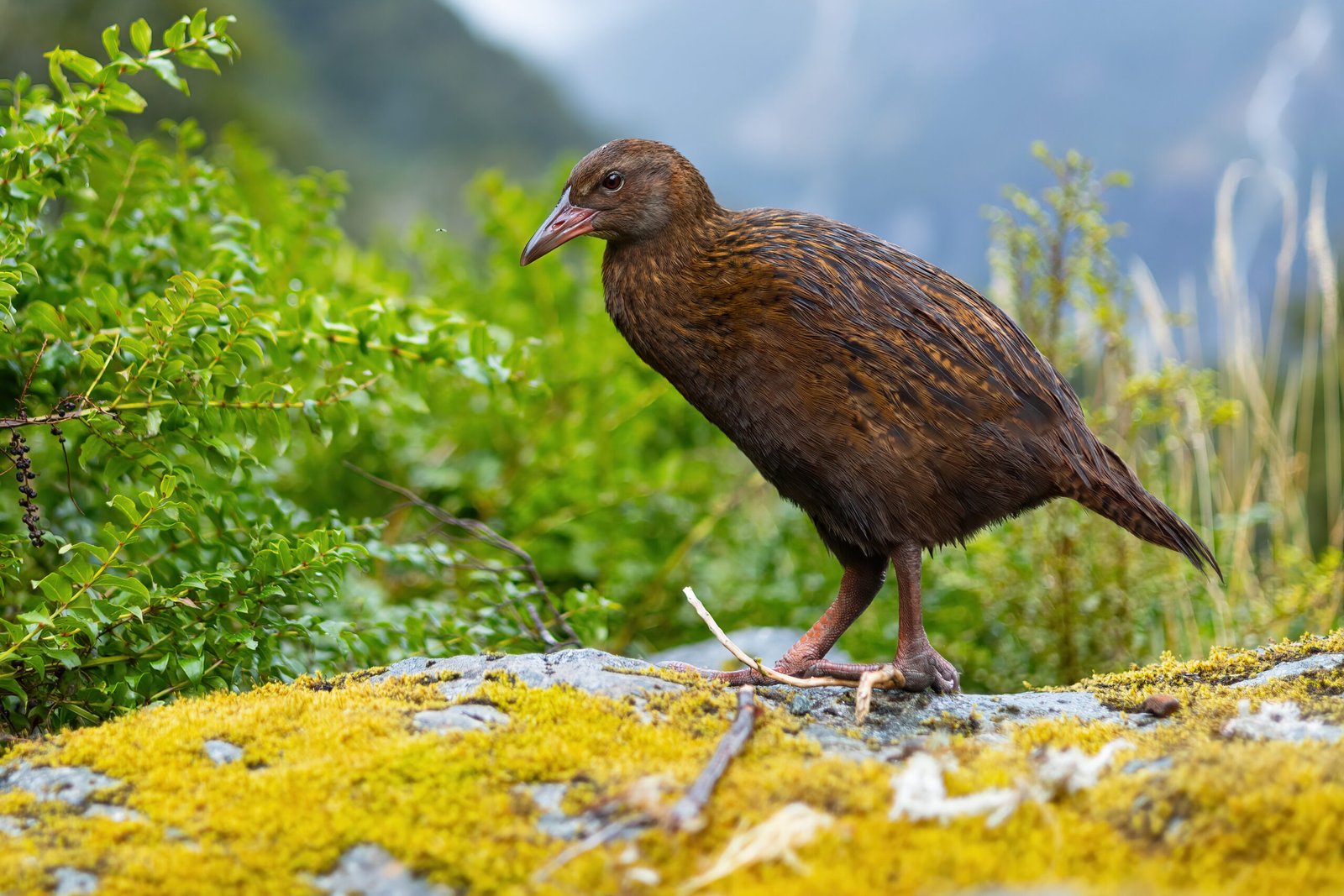
Weka
© JJ Harrison via Wikimedia Commons, used under CC BY-SA 4.0
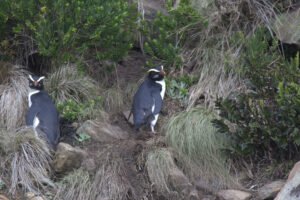
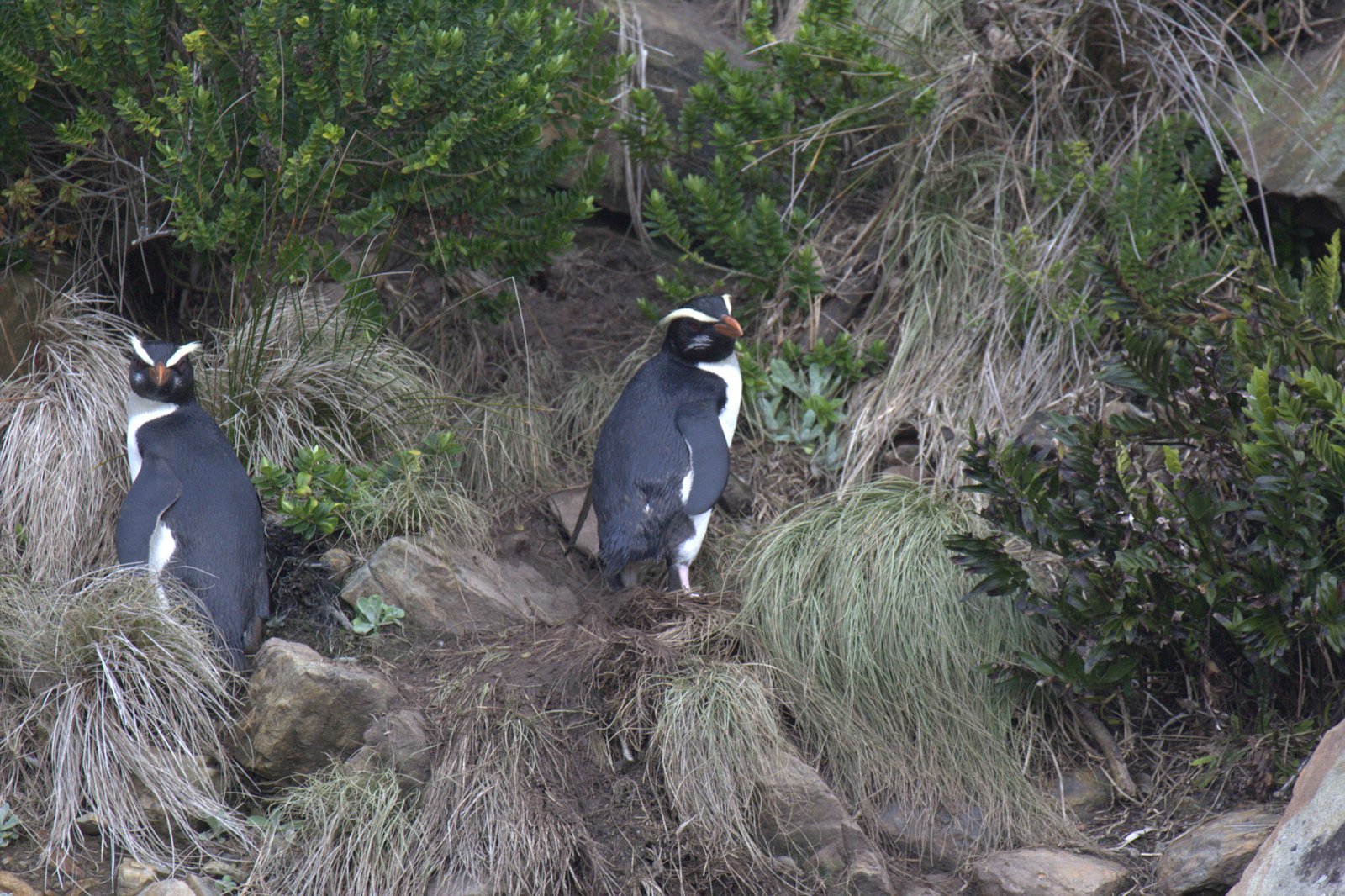
Fiordland Crested Penguin/Tawaki
© travelwayoflife via Flickr, used under CC BY-SA 2.0
Kea
© traveller1955 via Pixabay, used under public domain (CC0)
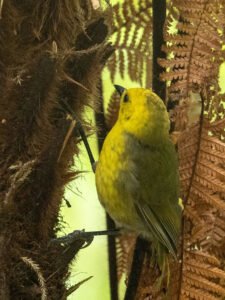
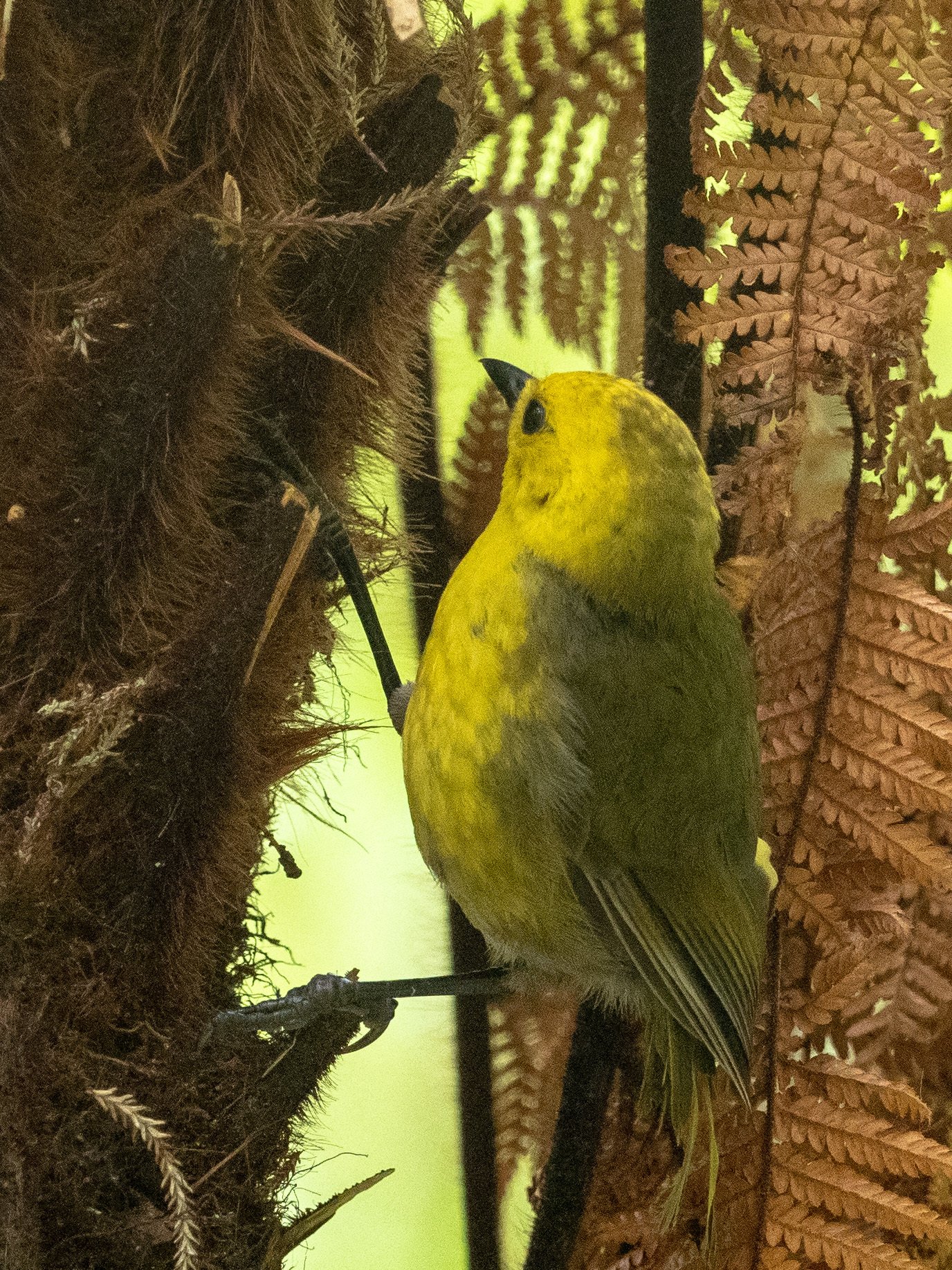
Yellowhead/Mohua
© William Stephens via iNaturalist, used under CC BY 4.0
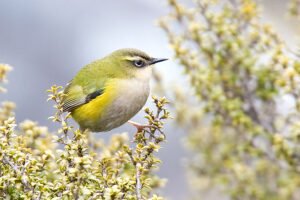
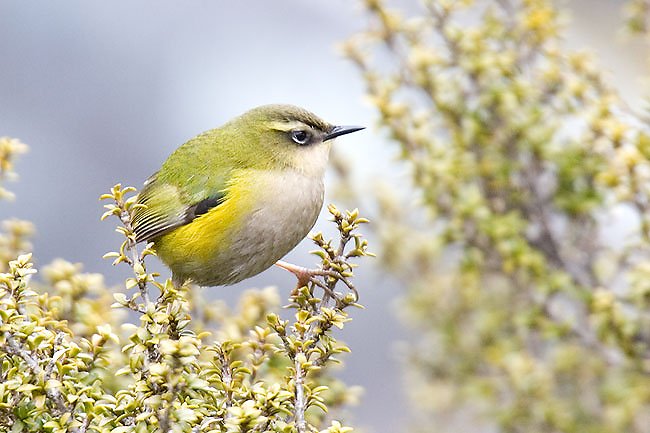
South Island Wren/Pīwauwau
© Andrew Hardacre via Pixabay, used under CC BY 2.0
Costs
Required Costs
- None
Add-on Costs
- Guided Tours
- Cruises
- Experiences
Accessibility
Fiordland’s dramatic landscapes make it one of New Zealand’s most spectacular birding destinations, but accessibility can vary widely depending on the site. In towns such as Te Anau and Manapouri, accommodations, visitor centres, and lakeside tracks are generally accessible, with flat paths suitable for wheelchairs and mobility aids. Popular short walks like the Kepler Track control gates section or the Lake2Lake Trail offer more accessible options compared to the rugged multi-day routes Fiordland is famous for. Cruises on Milford and Doubtful Sounds are a good way for those with mobility limitations to experience the region’s wildlife, including seabirds and Fiordland crested penguins, as most vessels are designed with accessibility in mind. However, many backcountry trails and remote birding areas remain challenging, with steep, uneven terrain, limited facilities, and variable weather. Visitors with accessibility needs may wish to focus on guided cruises, short tracks near towns, and organized tours that can provide transport and support.
Things to Know
Hours & Access
- You can access the national park at any point, and it is free to do so.
- The visitor centre is open 7 days a week, 9:00am-4:00pm, with a 12:00pm-1:00pm lunch break. From May 1st to October 24, they are closed on Sundays.
Facilities
- There is a visitor centre in Te Anau, which can give insights about the national park.
- There are restrooms located in the visitor centre. Most campsites have bio-toilets.
- Te Anau has showers available to be used by the public. These usually run a few NZ$ per use.
Rules & Restrictions
- You need a permit from the DOC to use a drone.
- Dogs are not allowed inside the national park.
- Keep your distance from animals.
Safety
- Overall the towns are a very safe environment, just be careful of potentially loose gravel or slopes when walking.
- There are multiple backcountry tracks located through the national park. These come with inherent risks from being remote.
- This is a mountainous region, and as such variables like weather and the environment need to be heavily taken into considerations. Make sure before you travel here to do research on the area and if the weather will be safe. Check here to see what the weather is looking like!
- Rain and other wet conditions can come quickly, and rivers can rise rapidly and make crossing either difficult or impossible. Make sure you also know about proper procedure of crossing rivers. You can learn more about that here!
Tips & Tricks
- Fiordland Crested Penguins can be tricky. Sometimes a cruise through Milford or Doubtful Sound might be your best option to keep an eye for them. They’re very skittish, so make sure to keep a good distance away for the best viewing experience.
Getting there
As always, a car here will by far grant the most freedom, but there are other options. You can absolutely visit both Te Anau and Milford Sound without a car, though it requires planning around bus schedules or guided tours. From Queenstown, several companies like InterCity, Tracknet, and Info & Track offer daily bus services to Te Anau, with the journey taking about 2.5 to 3 hours. Buses from Invercargill are less frequent but possible, especially for hikers.
To reach Milford Sound, the most convenient option is to book a guided day tour from either Queenstown or Te Anau. These tours typically include round-trip transport and a scenic cruise in Milford Sound. The day trip from Queenstown is long (12–13 hours), while the Te Anau version is shorter and more relaxed (about 8 hours). Companies like RealNZ and Southern Discoveries run regular services.
For hikers or those staying overnight at Milford, Tracknet offers shuttle transport between Te Anau, Milford Sound, and various trailheads. If budget isn’t an issue, scenic flight + cruise combos from Queenstown offer an unforgettable way to experience the fiord from above and on the water, with the bonus of skipping the long drive.
Places to Stay
Te Anau is the main hub for all things Fiordland, and has many great options from hostels to luxury lodges. This provides a good staging point for staying in other places like Milford Sound, which can be beneficial for early morning cruises. There are also an abundance of campsites and huts around the national park, which are well maintained and usually very inexpensive options.
Te Anau
Te Anau is the gateway to Fiordland National Park and a comfortable base for exploring one of New Zealand’s most remote and breathtaking regions. The town offers a wide range of accommodations, with easy access to restaurants, shops, and tour operators. It’s well-equipped yet retains a peaceful, small-town feel, perfect for travelers looking to unwind between wilderness adventures.
From Te Anau, birders can easily access the Kepler Track, Lake Te Anau shoreline, and the Eglinton Valley, with chances to see Takahē at the nearby Te Anau Bird Sanctuary, as well as Kea, Tomtits, Robins, and Yellow-crowned Parakeets in the surrounding forest. It’s also the main launch point for trips to Milford Sound and Doubtful Sound, making Te Anau an ideal home base for multi-day birding and tramping in Fiordland.
Explore Accommodations
Milford Sound Lodge
Staying in Milford Sound offers a truly immersive experience in the heart of Fiordland’s dramatic landscape, with towering cliffs, lush rainforest, and waterfalls just outside your door. While accommodation is limited, the Milford Sound Lodge provides comfortable eco-luxury chalets and riverside campervan sites, making it the only place to stay within the fiord itself. It’s ideal for those wanting early access to boat cruises, hikes, and birding before the tour buses arrive.
Spending the night here allows for quieter moments with nature — from spotting Fiordland crested penguins and kea to enjoying the surreal stillness of the fiord at dawn or dusk. For birders and photographers especially, staying in Milford is a chance to experience this iconic site in a more intimate and peaceful way.
Fiordlands National Park Campsites and Huts
Fiordland offers a variety of scenic DOC campsites, including accessible spots near Te Anau and along Milford Road. These are great for road-tripping birders and often sit near lakes, rivers, or forest, with excellent chances to spot forest birds and waterfowl right from your tent.
For experienced trampers, Fiordland’s extensive hut system allows deep access into remote valleys and alpine zones. Huts on the Milford, Kepler, and Routeburn Tracks offer chances to encounter rarer species like South Island Wren and Yellow-crowned Parakeets in pristine backcountry settings.
Awarua Bay
Southland Region, NZ
Awarua Bay, located just east of Invercargill near the southern tip of New Zealand, is one of the country’s most important sites for shorebirds and migratory waders. This expansive estuarine environment — part of the internationally significant Awarua-Waituna Wetlands — provides critical habitat for species like Kuaka (Bar-tailed Godwits), Huahou (Red Knots), Poaka (Pied Stilts), Kōtuku ngutupapa (Royal Spoonbills), and Tōrea (South Island Oystercatchers). During the summer months, it becomes a staging ground for thousands of migratory birds arriving from the Arctic, making it a must-visit for shorebird enthusiasts. The wide-open mudflats, saltmarshes, and tidal inlets are best explored at low tide, with several viewing points accessible by road or short walks. While remote and often windy, Awarua Bay rewards patient birders with exceptional diversity and a chance to witness large flocks in a vast, wild setting.
Featured Birds
Wrybill/Ngutu pare
© Jacob Littlejohn via iNaturalist, used under CC BY-SA 4.0
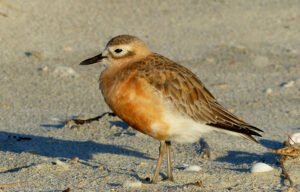
New Zealand Dotterel/Tūturiwhatu
© Bernard Sprag via Flikr, used under public domain (CC0)
New Zealand Double-banded Plover/Pohowera
© Jacob Littlejohn via iNaturalist, used under CC BY-SA 4.0
Pied Stilt/Poaka
© JJ Harrison via Wikimedia Commons, used under CC BY-SA 3.0
Bar-tailed Godwit/Kuaka
© Graham Winterflood via iNaturalist, used under CC BY-SA 4.0
South Island Oystercatcher/Tōrea
© JJ Harrison via Wikimedia Commons, used under CC BY-SA 3.0
Costs
Required Costs
- None
Add-on Costs
- Guided Tours
Accessibility
The Awarua Bay and Wetlands are one of New Zealand’s most important coastal wetland systems, but accessibility is somewhat limited due to their natural, undeveloped landscape. Some viewing opportunities are available from roadside pull-offs and reserves on the fringes of the wetlands, which can give good scope views of waders without requiring difficult walking. Tracks in the area are generally informal, with uneven or muddy ground, so they may be challenging for visitors with limited mobility. There are no boardwalks or paved paths within the wetland itself, and facilities are minimal. For a more comfortable experience, visitors may prefer to explore with local birding guides who know the best vantage points, or to combine a stop here with a visit to Bluff, where access and amenities are easier.
Things to Know
Hours & Access
- You can visit this site at any time.
Facilities
- There are public restrooms in Bluff.
Rules & Restrictions
- Keep your distance from animals.
- Dogs may or not be allowed depending on exactly where you are.
Safety
- Overall this is a very safe environment, just be careful of mud flats and tripping as a result.
Tips & Tricks
- Seeing as this is a shorebird-heavy hotspot, bring a scope if you can!
Guides & Tours
Getting there
This area pretty much needs a car, as the Awarua wetland area doesn’t have any public transportation options. Luckily, this only takes about 30 minutes from Invercargill!
Places to Stay
The best option is staying in Invercargill, as it is within about 30 minutes by car. There really isn’t a better way to get to this area, so this is what I would recommend.
Invercargill
Invercargill is the southernmost city in New Zealand and a practical, comfortable base for birders exploring the deep south. It offers a wide range of accommodations along with supermarkets, restaurants, and other useful amenities. It’s a relaxed, easy place to prepare for further adventures.
Importantly, Invercargill is just 20 minutes from Bluff, the departure point for ferries to Stewart Island, and it also sits on the doorstep of the Awarua Bay and Waituna Wetlands, one of the country’s best shorebird habitats.