Transportation in New Zealand
Exploring New Zealand’s birding hotspots often means covering a lot of ground, from rugged coastlines to alpine valleys. While the country is compact, travel times can be longer than expected due to winding roads, mountain passes, and remote locations. Fortunately, visitors have plenty of options to get around. From rental cars and campervans that offer maximum flexibility, to buses, trains, and domestic flights that connect major hubs, there’s no shortage of transportation methods. Whether you’re planning a self-drive adventure or piecing together public transport, it’s worth knowing the pros and cons of each mode to make the most of your birding journey.
Flying
You’ll most likely be flying into the Auckland airport, but that’s not the only option. You can also fly into the Wellington and Christchurch airports, which can sometimes have cheaper flights depending on the time (mainly Christchurch). Christchurch can also be nice for those travelers that would like more time in the South Island.
Auckland International Airport (AKL)
As New Zealand’s busiest airport (over 15.8 million passengers in 2023), Auckland Airport does an excellent job handling high passenger volumes with efficiency. The Transport Hub offers separate lanes for taxis, rideshares, and shuttles. Public transport options include express buses to the city and a Bus Rapid Transit line to the Puhinui rail station. Numerous licensed rental agencies are conveniently located inside arrivals, making pick-up quick and straightforward.
Wellington International Airport (WLG)
Handling over 5.4 million passengers in 2023, Wellington International Airport is compact and easy to navigate. It sits about 8 km from the city centre via SH-1 through the Mount Victoria Tunnel. Public transport includes the Metlink Airport Express and bus route 2, both offering efficient city access. Rental car desks (e.g., Budget, Ezi) are located inside the terminal, and some services even offer shuttle pick-up/drop-off for added convenience. However, during peak arrival times, queues and traffic congestion—particularly after night-time arrivals—can slow things down.
Christchurch International Airport (CHC)
The second-busiest airport in the country, Christchurch usually handles a few million people a year. Located just 12 km from central Christchurch, access by car, bus or ride-share is seamless, and the layout is straightforward. Rental options include both on-site major providers and more affordable city-based outlets—with some travelers noting as much as a $1,000 difference for week-long rentals when choosing city pick-up over airport locations. Taxis can be pricey (approx. NZ$50–$70 to the city), so ride-shares like Uber can be more budget-friendly.

Cars
Driving in New Zealand can be one of the most rewarding parts of your trip, but it’s also different from driving in many other countries, and understanding the quirks can make your journey smoother, safer, and more enjoyable. While I’ll provide what you generally should know, if you intend to drive you should look over the NZ Transport Authority’s website here.
Driving in New Zealand
Road Rules and Basics
- Drive on the Left – All vehicles keep to the left side of the road, with the driver’s seat on the right side of the car.
- Speed is in kilometers per hour (km/h)
- Speed Limits –
- Urban areas: generally 50 km/h (31 mph) unless otherwise posted.
- Open roads: generally 100 km/h (62 mph).
- Lower limits are common near schools, construction zones, and sharp bends.
- Seatbelts – Required for everyone, in both front and back seats.
- Mobile Phones – Using a handheld phone while driving is illegal; use hands-free only.
- Blood Alcohol Limit – For drivers over 20 years: 0.05%; for drivers under 20: zero tolerance.
Unique Hazards
One-Lane Roads and Tight Corners – Especially in rural areas; always slow down.
Tourist Traffic – Many drivers may be inexperienced with New Zealand’s road conditions, so leave extra following distance.
Livestock and Wildlife – Sheep, cattle, and sometimes birds may be on or near the road.
Cyclists – Often share narrow roads; give them at least 1.5 m when passing.
Licensing
You can drive on your home country’s full driver license for up to 12 months, if it is in English.
If your license isn’t in English, you need an official translation or an International Driving Permit (IDP).
Scenic Routes Worth Considering!
- Milford Road (Te Anau to Milford Sound) – Alpine scenery, waterfalls, and the Homer Tunnel.
- Crown Range Road (Queenstown to Wānaka) – The highest main road in New Zealand.
- Thermal Explorer Highway (Auckland to Napier) – Geothermal sights and rolling farmland.
Renting a Car
Renting a car is one of the most popular ways to explore New Zealand, offering the flexibility to reach remote birding hotspots and enjoy scenic drives at your own pace. Both international companies (such as Hertz, Avis, and Budget) and local operators (like Apex, Omega, and GO Rentals) have locations across the country, including at major airports. Vehicles range from small economy cars to 4WDs suitable for rugged terrain.
For easy price comparison across multiple companies, you can also use international car rental aggregators such as Rentalcars.com or DiscoverCars, which allow you to search and book in advance with transparent terms.
Buses
Intercity Buses
For travelers without a car, intercity buses are one of the most accessible and affordable ways to see New Zealand. While they can’t match the speed of flying or the freedom of self-driving, they make up for it with convenience, lower costs, and the ability to sit back and take in the scenery.
Companies
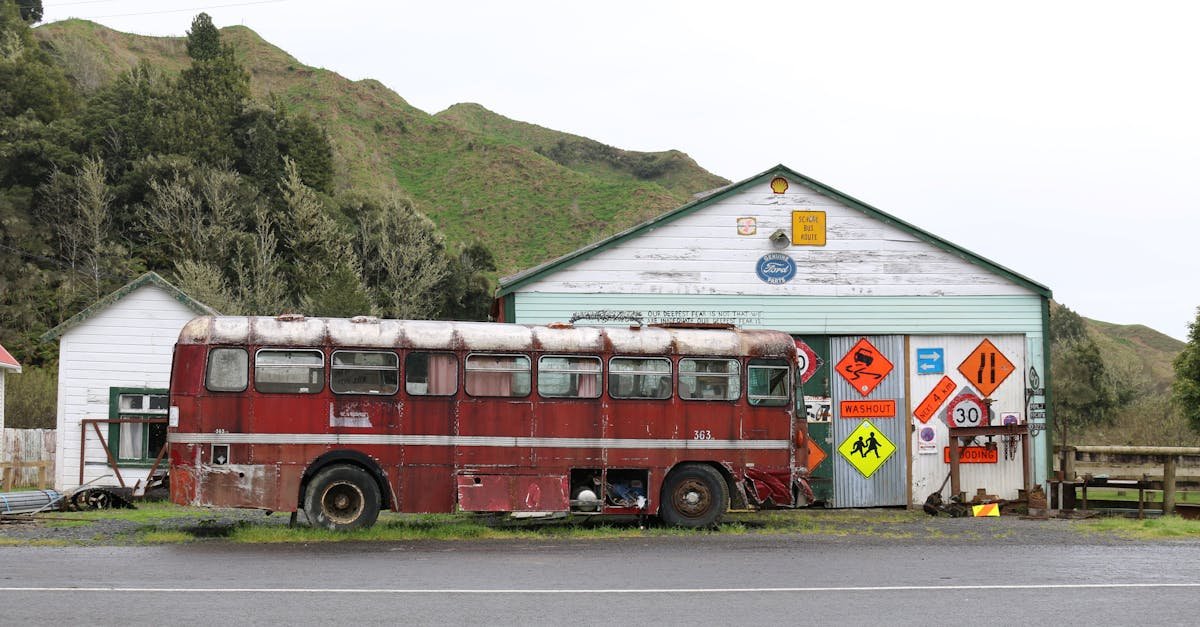
The largest national operator is InterCity, running routes that connect most major towns and cities across both islands, as well as some key tourist destinations. Some smaller rural areas have local buses running around.
Booking & Tickets
Tickets can be booked online, often at lower prices if purchased in advance. Fares vary depending on the route length, time of year, and how early you book, but sometimes you can find short trips for as little as NZ$10 if you plan ahead, though more popular routes in peak season can be significantly higher. You can book on InterCity here!
Comfort and Amenities
Most long-distance buses offer free Wi-Fi, power outlets, and air conditioning, with some also including onboard toilets (don’t assume they will though). However, comfort can vary between operators, so if you’re traveling a long distance (e.g., Auckland to Wellington), it’s worth checking reviews or photos before booking.
Accessibility
Major intercity routes generally accommodate wheelchair users if arranged in advance, but smaller rural connections may have more limited accessibility. Be sure to contact the bus company when booking to confirm availability.
Frequency & Reliability
Service frequency is highest between major cities and tourist hubs (e.g., Queenstown to Christchurch, or Auckland to Rotorua), but can be sparse for rural areas. Delays are possible, especially in winter or on routes involving mountain passes, so allow buffer time if you have tight connections.
Luggage
Most operators allow at least one large checked bag plus a carry-on at no extra cost. Oversized items like skis or surfboards may require a small fee.
Local Bus Systems
Most major cities in New Zealand have fairly well established bus systems, which are great to take advantage of to save on costs while staying in a bigger city.
Most bus systems take a combo of the local bus car along with cash. You can visit each journey planner down below or apps (if they have them) to see exactly how much each trip costs.
| City | Bus System | App? | Transit Card | Payment Forms |
|---|---|---|---|---|
| Auckland | AT Metro | AT Mobile | AT HOP Card | Transit Card or Contactless Payment |
| Hamilton | BUSIT | No | Bee Card | Transit Card or Cash |
| Wellington | Metlink | Metlink | Snapper Card | Transit Card or Cash |
| Nelson | eBus | No | Bee Card | Transit Card or Cash |
| Christchurch | Metro | Metroinfo | Metro Card | Transit Card or Cash* |
| Dunedin | Orbus | No | Bee Card | Transit Card or Cash |
*Christchurch is currently beta-testing a contactless payment system similar to Auckland. While currently only the Route 29 bus uses this, it is expected to become standard late 2025-early 2026.
Journey Planners:
Comfort and Amenities
Onboard amenities vary depending on the operator and region: in Auckland and Wellington, many buses are equipped with USB charging ports and air conditioning, while smaller cities such as Dunedin or regional routes may offer more basic service. Seating is generally comfortable for short to medium journeys, though luggage space can be limited outside of airport connections.
Accessibility
Public bus systems in major cities are designed with accessibility in mind. Most urban buses in Auckland, Wellington, Christchurch, and Dunedin have low-floor designs and wheelchair ramps, making boarding easier for passengers with mobility needs, strollers, or luggage. Priority seating is clearly marked, and audio/visual stop announcements are common in larger networks like Auckland Transport and Metlink (Wellington).
Frequency & Reliability
Bus frequency and reliability vary widely between cities. In Auckland and Wellington, core routes and “link” services run every 10–15 minutes during peak times, with extended hours on evenings and weekends. Christchurch’s Metro system offers good coverage but less frequency outside peak hours, while Dunedin’s Orbus network provides reliable service but fewer late-night options. Weather and traffic can occasionally impact timeliness, especially during rush hour in Auckland and Wellington. For up-to-date schedules and live tracking, travelers can use local apps such as AT Mobile (Auckland), Metlink (Wellington), and Metroinfo (Christchurch). With the apps, do know that you might have to switch regions on your phone’s app store to New Zealand if you like to access them. Google Maps and Apple Maps also give pretty good indications of timetables.
Trains
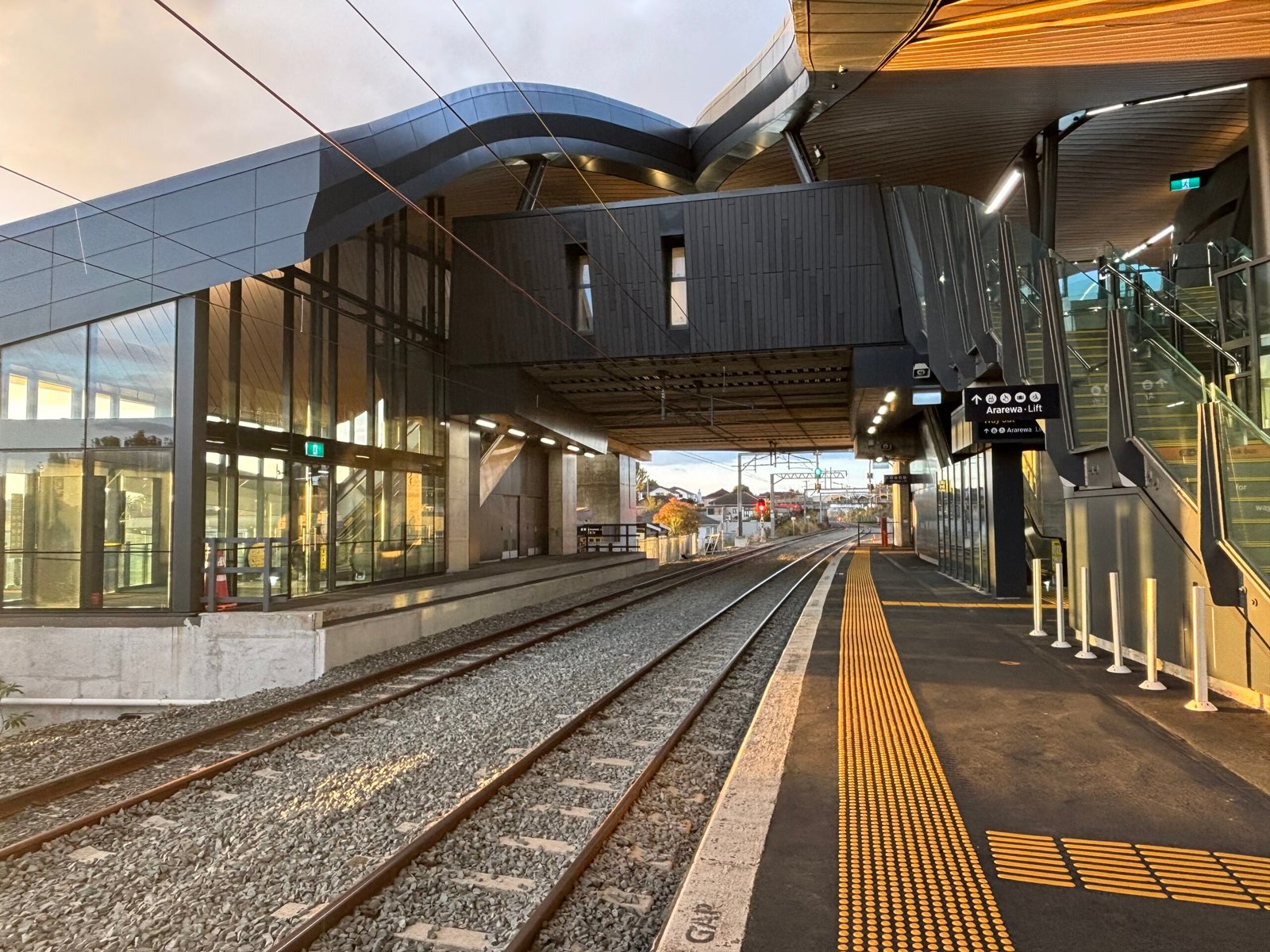
New Zealand doesn’t have an extensive passenger rail network like some countries, but the journeys it does offer are often as much about the scenic experience as getting from point A to B. If you’re looking for a slower, more relaxed way to see the country’s landscapes, these trains are worth considering.
Companies & Routes
Passenger rail in New Zealand is primarily run by Great Journeys NZ. There are three main routes:
Northern Explorer – Runs between Auckland and Wellington (North Island). Passes through farmland, volcanic plateaus, and the central North Island’s mountain ranges.
Coastal Pacific – Runs between Picton and Christchurch (South Island), hugging the Kaikōura coastline with views of both the sea and the mountains.
TranzAlpine – Runs between Christchurch and Greymouth (South Island), crossing the Southern Alps. This has been often called one of the most scenic train rides in the world.
Booking & Tickets
Train tickets are generally more expensive than bus fares for the same route, but the trade-off is a far more scenic and comfortable experience. Expect prices to range from about NZD $100–$250 depending on the route, season, and how far in advance you book. You can book tickets with Great Journeys NZ here.
Comfort & Amenities
These long-distance trains are designed for sightseeing rather than commuting. Large panoramic windows, open-air viewing carriages, and commentary make them popular with visitors. Seating is comfortable, and there’s usually a café carriage on board.
Accessibility
Accessibility is decent for major stations, though smaller regional stations may have limited facilities — always check ahead if you need assistance.
Frequency & Reliability
Unlike intercity buses, train services run less frequently — often just once per day in each direction, and sometimes only on select days of the week. Tickets should be booked in advance, especially during peak tourist seasons. Trains can connect with interisland ferries (in Picton) and buses for onward travel, but connections aren’t always perfectly timed, so plan accordingly.
Luggage
Bringing luggage on New Zealand’s long-distance scenic trains is generally straightforward. Each passenger can usually check in one larger suitcase or bag (up to around 23 kg / 50 lbs) to be stored in the luggage carriage, plus carry a smaller bag onboard. Carry-on storage is available in overhead racks or under your seat, and larger carry-ons can be placed in dedicated luggage shelves near the carriage doors. Checked bags must be labelled and are loaded by staff before departure, so it’s best to arrive at least 20–30 minutes early. Since baggage is stored separately, you won’t be able to access it during the journey, so keep essentials like a camera, jacket, or snacks with you in your carry-on.
Ferries
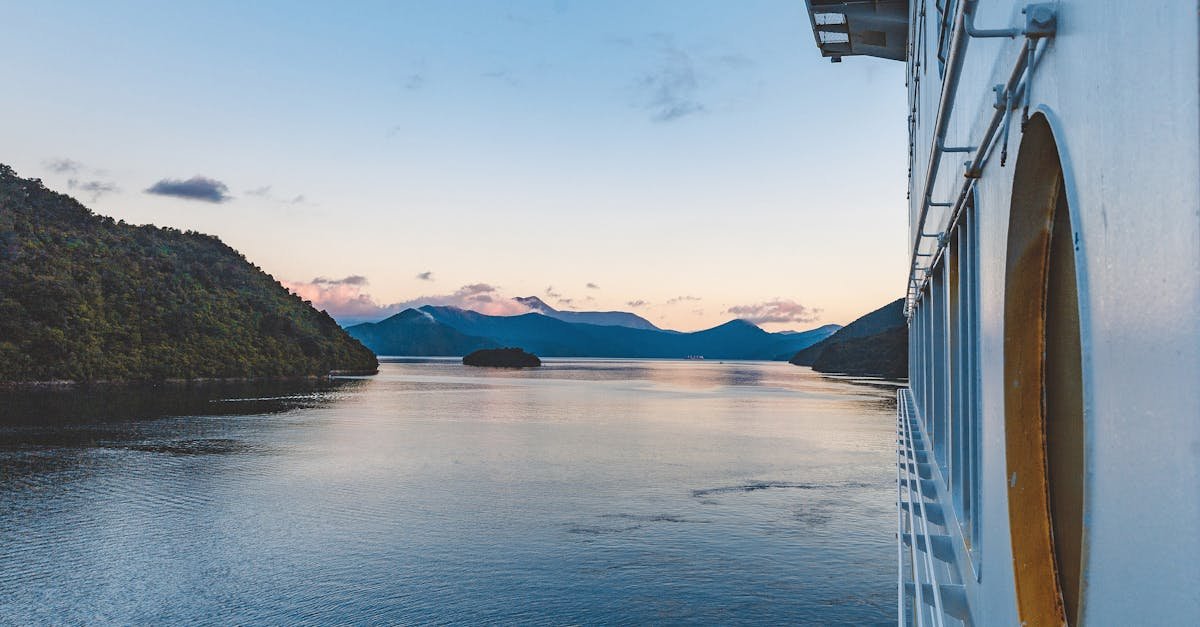
Ferries play a vital role in connecting New Zealand’s islands and coastal regions, offering both practical transportation and scenic experiences. Whether crossing the Cook Strait between the North and South Islands or exploring picturesque fjords and harbors, ferries are a popular option for travelers looking to combine transport with breathtaking views.
Companies & Routes
Cook Strait Ferries — The main ferry service linking Wellington (North Island) and Picton (South Island) is operated by Interislander and Bluebridge. These crossings take about 3 to 3.5 hours and are frequent, with multiple sailings daily.
Foveaux Strait — RealNZ operates a ferry service between Bluff at the bottom of the South Island and Stewart Island. The crossing takes roughly 1 hour, and has multiple sailings per day depending on weather conditions.
Local & Scenic Ferries — Smaller ferry services operate in regions such as the Bay of Islands, Marlborough Sounds, and around Auckland’s Hauraki Gulf. Operators like Fullers360 provide passenger ferries to islands such as Waiheke and Rangitoto near Auckland. RealNZ are known for their Milford and Doubtful Sound Tours.
Booking & Tickets
Tickets for inter-island ferries can be booked online or at terminals. Prices vary depending on the season, time of day, and whether you’re bringing a vehicle. Advance booking is recommended during peak tourist seasons, especially if you plan to bring a rental car or campervan. Passenger-only fares are generally more affordable. Click below to book on each ferry service!
Comfort & Amenities
Inter-island ferries are well-equipped, featuring lounges, cafes, and outdoor decks for enjoying the scenery. Smaller local ferries tend to be quicker, with fewer amenities but often offer spectacular views of coastal landscapes.
Accessibility
Most ferries accommodate wheelchairs and have accessible facilities, but it’s best to check with operators in advance to ensure smooth boarding and seating arrangements.
Frequency and Reliability
Cook Strait crossings operate multiple times daily year-round, though severe weather can occasionally cause delays or cancellations. Local ferries usually have fixed timetables but may reduce frequency in off-peak seasons.
Luggage
Passengers can bring carry-on luggage onboard easily. Vehicles such as rental cars and campervans must be booked in advance, with fees varying by vessel and vehicle size.
A Note for Birding
Ferries are a great way to grab pelagic species without having to pay more expensive prices for specific pelagic tours, so always stay ready at a window or out on the deck! Areas like the Cook and Foveaux Straits can be great places to see many different species.